Cambodia: 7-Day Sample Itinerary
This is a planning example, not a record of a trip we personally took. We can tailor the timing, hotel choices, and activities to your dates and interests.
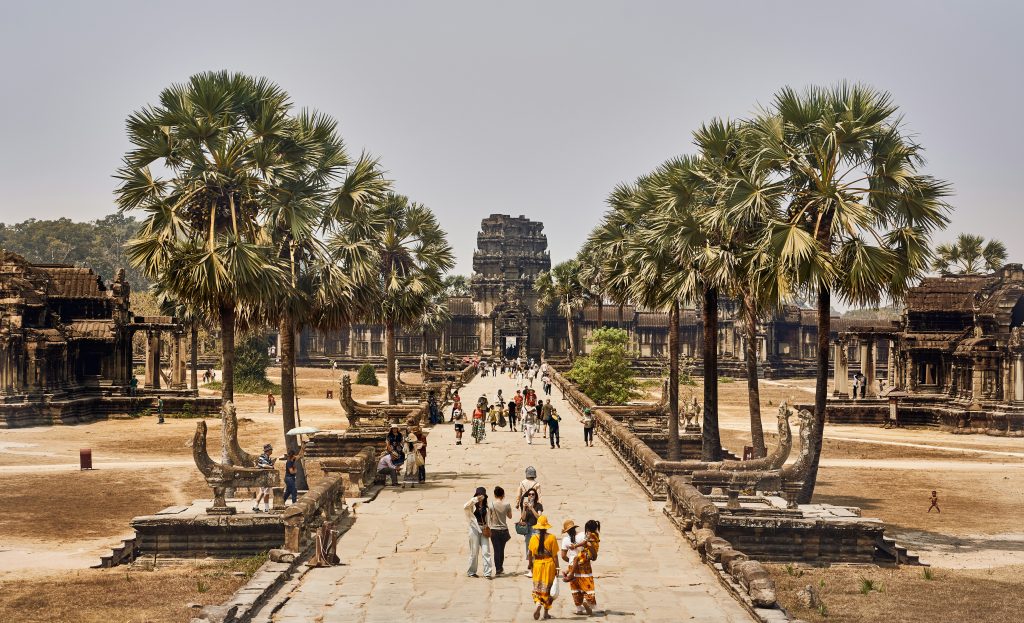
At a glance
- Destination
- Cambodia
- Duration
- 7 days
- Travel style
- Temples, heritage, food, markets
Seven days in Cambodia gives you time for the temples around Angkor and a meaningful introduction to Phnom Penh, but it works best when you resist trying to see the whole country. I’d give Siem Reap four nights and the capital two nights. That provides two properly paced temple days, space to enjoy the town, and a look at the culture and complex history of modern Cambodia.
This is a first-time route for travelers interested in heritage, architecture, local food, and understanding the places they’re visiting. It is not designed as a beach holiday or a nonstop string of archaeological sites. A knowledgeable local guide is worth considering, especially at Angkor, where the stories behind the buildings matter just as much as the photographs.
How to spend seven days in Cambodia
The most important decision is to keep two hotel bases. Siem Reap is much more than a place to sleep between temples, and Phnom Penh is not simply an airport stop. Transfer day takes up a substantial part of the itinerary, regardless of whether you choose the road or a domestic flight.
Day 1: Arrive in Siem Reap and ease into the trip
Travel to your hotel, unpack, and take a short stroll around the riverside or downtown if you feel like it. The journey from Siem Reap Angkor International Airport to the city is not an instant transfer, particularly after an international flight. I would avoid putting a nonrefundable Angkor tour on arrival afternoon.
Why I’d plan it this way: The heat, steps, and uneven temple pathways are far more enjoyable when you’re rested. A relaxed meal and early night can improve the whole experience.
Day 2: Angkor Wat and a first look at the archaeological park
Start with a guided visit to Angkor Wat and a manageable selection of nearby temples. You can discuss a sunrise start with your guide, but it’s not compulsory. The temple complex is an active sacred and cultural landscape, so dress appropriately and respect worshippers and restrictions around certain structures.
Purchase park entry through the official Angkor Enterprise ticket service. One-day, three-day, and seven-day passes exist. If you plan at least two temple days, compare the multiday option rather than automatically buying individual tickets. Don’t make the morning so ambitious that everyone needs a long recovery before lunch.
Day 3: Ta Prohm, Bayon and time for the smaller details
Use your second temple day for different styles of architecture and setting. Ta Prohm’s forested ruins and Bayon’s stone faces make a memorable contrast to Angkor Wat. A guide can help you decide how to order the sites around heat, crowds, current conservation work, and which access points are open.
I’d return to the hotel for a genuine break afterward. For an evening activity, consider a Khmer cooking experience or a relaxed dinner. A visit to a reputable artisan workshop can also make sense, provided it is locally led and visitors are welcome.
Day 4: A deeper Angkor day or Siem Reap beyond the temples
Give yourself a choice. History enthusiasts may prefer to spend another morning at less-visited sites with the same guide. Others may want a cooking class, a slower morning around Siem Reap, or time by the pool. There is no reason to force a third intense day in the sun just because a three-day temple ticket exists.
I’d keep this day especially flexible in the rainy season. Weather can change your plans, and there is value in discovering a café or gallery that you’d otherwise rush straight past. If you’re arranging a community-based experience, look for transparent local ownership and avoid any tour that treats residents or children as attractions.
Day 5: Transfer to Phnom Penh
Check the real door-to-door options for your date. A private road transfer has flexibility and may be comfortable for a group, while a flight involves both airport journeys, check-in, baggage, and the timetable itself. I’d compare total effort rather than looking only at the published flight duration.
Once you’ve arrived, check into the hotel and take a riverside or neighborhood walk if everyone has energy. Plan a relaxed dinner. This day already involves a significant change of place and doesn’t need three additional sightseeing commitments.
Day 6: Khmer art, the Royal Palace district and modern history
Start in the palace district and consider the National Museum of Cambodia, which gives historical and artistic context to the sculptures and temples you’ve seen in Siem Reap. Opening arrangements and rules around photography should be checked before visiting.
For travelers interested in Cambodia’s twentieth-century history, a respectful visit to one or more memorial sites can be deeply important. I would set aside time to process what you learn rather than treating those experiences as short photo stops between shopping and dinner. A knowledgeable local guide can help you understand the broader context.
Day 7: One final morning and departure
Use the last morning for breakfast and a final walk, if your flight allows. Phnom Penh’s airport arrangements and access routes may be different from an older guidebook, so double-check the airport shown on your ticket and set aside an appropriate ground-transfer buffer. If you’re leaving early, call it a travel day and don’t add a timed attraction.
Where I’d stay in Siem Reap and Phnom Penh
I’d compare the Siem Reap hotels based on how you like to recover after a temple outing. Some travelers prioritize being a short ride from dinner and nightlife; others want a more resort-like atmosphere for the afternoon. In Phnom Penh, a central historic property can make a brief stay feel memorable.
- Park Hyatt Siem Reap: A central option near town restaurants and markets. It’s worth comparing if you want refined comfort but still intend to go out after returning from Angkor.
- Raffles Grand Hotel d’Angkor: A historic luxury hotel with a distinctive old-world character. I’d consider it for travelers who want the accommodation to be part of the cultural atmosphere, with downtime between temple mornings.
- Raffles Hotel Le Royal: A historic Phnom Penh hotel suited to a special city stay. It’s a different proposition from a modern high-rise and a particularly good fit if character is important to you.
How I’d decide: Choose a walkable central hotel if you expect to eat out most nights, or a property with inviting grounds if the afternoon break matters more. Verify the actual room category, airport transfer and inclusions for your dates before booking.
Food experiences I’d build into the route
I’d use meals to learn more about contemporary Khmer cooking, not just search for an international menu near the hotel. You don’t need a formal reservation every night, though. Keep one special dinner in each city and allow casual lunches to follow the day’s pace.
- Malis Siem Reap: A polished introduction to Cambodian dishes in a peaceful riverside setting. It suits an evening back in town after an active sightseeing day.
- Embassy by Chef Kimsan, Siem Reap: A special-occasion meal focused on creative Khmer cuisine and seasonal tasting menus. I’d make this the main event of the evening and reserve in advance.
- Malis Phnom Penh: Another inviting place to explore Cambodian cuisine in the capital, with a courtyard setting that contrasts nicely with a busy sightseeing day.
- Dining at Raffles Hotel Le Royal: Worth investigating for a more formal final-night meal or an atmospheric stop if you’re staying at the hotel. Check which of the property restaurants fits your plans.
These are options, not a requirement to visit all four. Menus, opening days and dietary arrangements change. If your guide recommends a family-run restaurant you hadn’t considered, keep enough room for that discovery.
What I would arrange before departure
- Angkor passes and guide. Decide whether your party wants two or three temple mornings. Use the official ticket platform, understand the visitor code, and plan around the hottest part of the day where practical.
- Hotel stays and transfers. Confirm arrival and departure airports and the actual road journey from each to your lodging. Reserve the Siem Reap-to-Phnom Penh transfer once flight times and hotel locations are settled.
- One meaningful cultural activity. Choose something locally led, such as an appropriate cooking class or craft experience. Don’t overfill each evening.
- A thoughtful Phnom Penh history visit. Be realistic about the time and emotional attention it may require. There is no advantage to squeezing the capital into a hurried half-day tour.
How I’d change this seven-day Cambodia itinerary
For serious architecture enthusiasts: Add a third guided Angkor morning and reduce the non-temple sightseeing. For families: Shorter visits and pool time make a huge difference. For food lovers: Give the evenings more attention and consider an organized Khmer cooking experience. For travelers who want a slower week: Stay longer in Siem Reap and omit Phnom Penh, rather than forcing two very different bases into a schedule that doesn’t suit you.
If beach time is essential, I’d add days to the overall trip rather than trying to squeeze in a coastal resort during this same seven-day route.
Common questions about seven days in Cambodia
Is two days at Angkor enough?
It’s enough for an excellent first introduction when the sites are chosen thoughtfully. Extra time is worthwhile if temple architecture is the main reason for traveling, or if your party wants shorter sightseeing blocks.
Is Phnom Penh worth adding to a short Cambodia trip?
Yes, if you want more cultural and historical context beyond Angkor. The cities are different enough to justify the extra hotel and transfer, but I’d give the capital two nights rather than a rushed stop.
Should I fly or drive between Siem Reap and Phnom Penh?
Compare actual schedules, total ground transfers, luggage, and cost. The quickest-looking flight is not necessarily the easiest door-to-door option, especially with a group or a complex onward flight.
Plan this trip with Atlas Road Travel
Use this guide to explore the route, hotel choices and experiences. For a trip tailored to your dates, interests and budget, ask Atlas Road Travel. Our trip planning is free.
Get the complete itinerary
We will email you a printable PDF and an editable Word document, with planning notes, lodging guidance, and booking priorities. No automated follow-ups or sales sequence. Just reply if you want help planning your trip.