Beijing and Shanghai: 9-Day Sample Itinerary
This is a planning example, not a record of a trip we personally took. We can tailor the timing, hotel choices, and activities to your dates and interests.
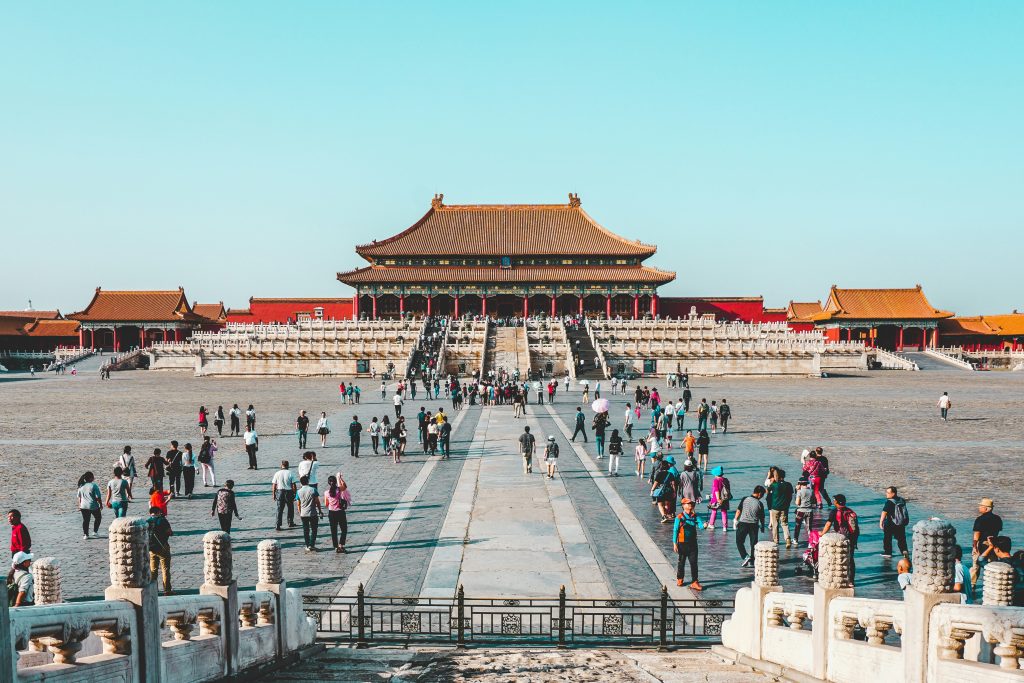
At a glance
- Destination
- China
- Duration
- 9 days
- Travel style
- Urban culture, history, luxury dining
Nine days in China can give you an excellent introduction to two very different cities: Beijing, with its imperial architecture and traditional neighborhoods, and Shanghai, with its historic waterfront and contemporary energy. This itinerary deliberately focuses on those two places rather than squeezing in several distant cities.
I’d stay four nights in Beijing, take the high-speed train to Shanghai on Day 5, then spend four nights there before departing on Day 9. The route works especially well for first-time visitors interested in culture, architecture, food, and seeing how different the country’s major cities can feel. A local guide is particularly helpful for complicated ticketing and cultural context in Beijing.
How to spend nine days in Beijing and Shanghai
Both cities deserve more than one rushed sightseeing day. Organizing visits by neighborhood and giving the intercity train its own afternoon makes the route much smoother. You’ll also want to decide where you enter and leave China before choosing hotels or buying train tickets.
Day 1: Arrive in Beijing and get oriented
Meet your prearranged transfer or use an appropriate airport rail connection, depending on where you’ve landed and how much luggage you’re carrying. Beijing has more than one major airport, so the arrival instructions should match the airport code on your actual ticket. Once you’ve checked in, enjoy a short walk and an easy first meal near your hotel.
Why this works: Long-haul arrivals can take more of the day than expected. A late check-in should not cost you a highly sought-after museum reservation.
Day 2: The Forbidden City and Beijing’s imperial center
Make the Palace Museum, often called the Forbidden City, the day’s main reserved attraction. The vast halls and courtyards tell a different story when a good guide helps explain their history and significance. The official Palace Museum visitor information explains ticketing and access rules. Tickets are tied to identification, availability is controlled, and the museum generally closes on Mondays except for specified holidays.
Spend the remaining time around the central area at a gentler pace. Access to nearby squares and public buildings may require separate checks, and government restrictions can change. I’d avoid promising that every part of the district will be open on the same schedule as the museum.
Day 3: Temple of Heaven and Beijing’s old neighborhoods
Visit the Temple of Heaven area, where you’ll see another side of imperial Beijing in a large park setting. Later, explore selected hutong lanes and neighborhood streets with an appropriate guide. The goal isn’t to turn residential alleys into sightseeing props. Stop somewhere for a good lunch and spend time learning about the city’s food culture.
If a traditional cooking or craft experience interests you, this is a better day for it than after a strenuous Great Wall trip. Choose one meaningful activity instead of filling the afternoon with several far-flung sights.
Day 4: A full day at the Great Wall
Give your Great Wall outing its own day. The Mutianyu section is a popular choice for visitors because it offers dramatic mountain scenery and several access arrangements, but it still involves a drive, slopes, and significant walking. The Beijing municipal tourism information can help you check official visitor services and current conditions.
Discuss your group’s fitness, preferred walking distance and any lift options before booking. In poor weather, views may be limited, and icy or wet paths change the difficulty. I wouldn’t also promise the Summer Palace on this day. They’re both worth visiting, but not as a casual combination on a short trip.
Day 5: High-speed train to Shanghai and an evening on the Bund
Travel from Beijing South railway station toward Shanghai Hongqiao on an appropriate high-speed service. Check departures and seat availability through China Railway’s official booking service or a reputable supported agent. The journey usually takes much of the middle of the day once you include station transfers, security checks, boarding, and the onward ride to your Shanghai hotel.
Check in and take an evening stroll along the Bund if you feel up to it. The waterfront view across the Huangpu River is an unforgettable introduction to the contrast between historic Shanghai architecture and Pudong’s skyline.
Day 6: The Bund, central Shanghai and a neighborhood afternoon
Explore the Bund in daylight, then choose a district with a different rhythm, such as the former French Concession area around Xuhui. Tree-lined streets, cafés and historic buildings make an enjoyable contrast to the busy waterfront. You don’t need to enter every museum or take several overlapping river cruises.
I’d make dinner part of this day instead of adding another distant observation tower. If skyline views matter to you, choose one viewpoint or rooftop and allow time to enjoy it.
Day 7: Museums, gardens and contemporary Shanghai
Choose between a major museum visit and more time around a traditional garden or shopping district. The Shanghai Museum’s exhibitions and locations should be checked for your dates, since collections may be shown at more than one site. Yuyuan Garden and the surrounding lanes can provide another perspective on the city, although the commercial streets nearby can become crowded.
I’d plan one substantial cultural stop and one looser afternoon. Shanghai has enough variety that you can tailor this day to architecture, fashion, art, or food without creating an exhausting itinerary.
Day 8: A second Shanghai day or a focused Suzhou excursion
Spend another day discovering Shanghai neighborhoods if you prefer a slower trip. Alternatively, travelers especially interested in classical gardens may choose a well-planned excursion to Suzhou, which has high-speed rail connections from Shanghai. That outing needs its own transport, admission and station plan, not a rushed detour squeezed between afternoon museum tickets.
I’d keep the final evening near your hotel and choose a restaurant you can enjoy without worrying about a very early departure the next morning.
Day 9: Depart from Shanghai
Shanghai’s Pudong and Hongqiao airports serve different flight patterns. Confirm the airport on your ticket and leave enough time for its particular journey from the hotel. If you have an afternoon flight, a short neighborhood stroll may fit, but I’d avoid a timed attraction on departure day.
Where I’d stay in Beijing and Shanghai
With two major cities and several sightseeing neighborhoods, hotel location matters. In Beijing, I’d favor a central base with dependable transfers; in Shanghai, choose between the Bund’s skyline atmosphere and a quieter, more residential neighborhood.
- Mandarin Oriental Wangfujing, Beijing: A refined central hotel with convenient access to many of Beijing’s major sights. It’s an appealing choice if you value a comfortable city base after long heritage days.
- Regent Beijing: Another central upscale option worth comparing for access to Wangfujing and city transportation. Verify the exact property and room category directly rather than relying on a generic Regent brand booking page.
- Capella Shanghai, Jian Ye Li: A distinctive property set amid restored shikumen-style residences in the former French Concession. This is the hotel I’d compare when architectural character and neighborhood atmosphere matter more than a direct Bund view.
- Upper House Shanghai: A design-minded luxury option in central Shanghai, formerly known as The Middle House. It suits travelers who prefer a modern hotel and easy access to shopping and restaurants over staying directly on the waterfront.
How I’d choose: Prioritize straightforward tour pickups and airport transfers in Beijing. In Shanghai, decide whether you want a neighborhood stay or to be closer to the waterfront’s spectacle. Hotel brand alone can’t answer that. Compare the real room configuration, cancellation terms and transfer arrangements for your dates.
Dining experiences to consider in each city
Food is one of the most interesting ways to understand the contrast between the capitals of imperial and modern China. I would plan a traditional Beijing meal and one more contemporary dining experience, then leave casual lunches near the day’s sights.
- A Peking duck dinner in Beijing: This is a classic experience worth planning with your hotel or a local guide. Choose a reputable specialist based on your preferred neighborhood and the kind of setting you enjoy, instead of assuming the best dinner requires crossing the whole city.
- TRB Hutong, Beijing: A destination restaurant known for refined international cuisine in a historic setting. It’s a special-occasion alternative rather than a substitute for traditional Beijing cooking.
- Sui Tang Li, Shanghai: A polished Chinese restaurant within Upper House Shanghai, convenient if you’re staying centrally and want a considered sit-down dinner.
- Lost Heaven, Shanghai: A restaurant exploring flavors associated with Yunnan and southwest China. It’s a different regional experience from classic Shanghai dishes and a useful option for travelers interested in that variety.
Menus, dress expectations and reservations can change. I would treat these as starting points and match each meal to your hotel and preferred evening neighborhood.
What I’d arrange before departure
- Entry requirements and identity details. China’s visa and transit-entry policies vary by nationality, itinerary and date. Check the official rules that apply to the passports in your party before buying flights. Keep passport names consistent across all train and museum bookings.
- Palace Museum tickets and Great Wall logistics. Museum availability can be limited and the booking process may require identification. Plan a full Great Wall day with an appropriate operator, transport and realistic walking expectations.
- Beijing-to-Shanghai rail seats. Select the departure station, seating class and arrival station based on your hotel locations. Train-station transfer time and luggage matter as much as the onboard journey.
- Mobile payments and connectivity. Confirm that your cards, supported payment apps, phone plan and mapping tools will work for your particular trip. It’s easier to handle this before arriving than after you need to pay for a taxi.
- One special experience in each city. A restaurant, guide or timed museum worth traveling for should be booked before you fill the remaining days with flexible stops.
How I’d change the nine-day itinerary
For architecture enthusiasts: Spend longer in Beijing’s imperial sites and around Shanghai’s historic lanes. For food travelers: Add a market or cooking experience and leave more meals unscheduled for neighborhood discovery. For families: Use private transfers where helpful and plan shorter visits around the Great Wall and large museums. For travelers who dislike city intensity: Consider an extra night or a slower day rather than adding a third destination.
If you want Xi’an, Hangzhou or another city as well, I’d add days. Those are worthwhile destinations, but not free extras in a trip that already changes cities halfway through.
Common questions about Beijing and Shanghai
Is nine days enough for both cities?
Yes. Four nights in each gives you several substantial days and a train transfer without requiring you to rush through every attraction. There will still be many things worth saving for a return trip.
Should I fly or take the train between Beijing and Shanghai?
The high-speed train is appealing because it links the city centers without airport security and transfer time at both ends, but the best choice depends on actual fares, schedules, and hotel locations. I would compare door-to-door travel rather than just journey duration.
Can I simply arrive at the Forbidden City and buy a ticket?
Don’t count on that. The Palace Museum uses controlled admissions and official advance ticketing arrangements that can change. Plan your visit before the trip and check the booking process for international passport holders.
Plan this trip with Atlas Road Travel
Use this guide to explore the route, hotel choices and experiences. For a trip tailored to your dates, interests and budget, ask Atlas Road Travel. Our trip planning is free.
Get the complete itinerary
We will email you a printable PDF and an editable Word document, with planning notes, lodging guidance, and booking priorities. No automated follow-ups or sales sequence. Just reply if you want help planning your trip.