Vietnam: 9-Day Sample Itinerary
This is a planning example, not a record of a trip we personally took. We can tailor the timing, hotel choices, and activities to your dates and interests.
At a glance
- Destination
- Vietnam
- Duration
- 9 days
- Travel style
- Culture, food, cities, coast
Vietnam has enough variety to occupy several trips, so nine days should be about a few places you can actually enjoy. This first-time route starts in Ho Chi Minh City, flies north to Hanoi, then finishes on the central coast around Hoi An. It balances energetic city streets, distinctive food traditions and a softer final stretch without trying to visit every region of the country.
I’d plan two nights in Ho Chi Minh City, three in Hanoi and three in Hoi An, with domestic flights forming part of the itinerary rather than being treated as invisible transfers. You’ll get eight hotel nights across nine days. Where you fly into and out of Vietnam matters, so I’d compare an international arrival in Ho Chi Minh City with departure from Da Nang before booking either city hotel.
How to spend nine days in Vietnam
The strongest version of this route doesn’t add an overnight beach detour between northern and central Vietnam. Instead, keep one room in each main destination and make the final stretch genuinely relaxing. I would also resist adding Ha Long Bay, Hue, and Ninh Binh to the same week unless you increase the number of days.
Day 1: Arrive in Ho Chi Minh City and ease into Saigon
Meet your driver or arrange a reliable transfer from the airport to a central hotel. Ho Chi Minh City’s traffic can make short-looking journeys slow, particularly with luggage. After check-in, take a gentle walk around District 1 or simply enjoy the hotel and a nearby restaurant.
Why this works: The city is vibrant even when you do very little. A reserved evening show or long excursion can turn into a liability after a late international flight.
Day 2: Historic Saigon, local food and a slower afternoon
Start with some of the city’s historic buildings and streets, choosing a route that makes sense from your hotel. Depending on interests, you might visit the War Remnants Museum, explore the old central post office area, or learn more about the city’s changing architecture. These deserve context and time, not just a series of photo stops.
A market walk or guided food experience is an excellent way to spend part of the afternoon. I wouldn’t combine a full Cu Chi Tunnels excursion with an equally full city-sightseeing day. It’s an interesting option, but it requires a significant separate block of travel and exploration.
Day 3: Fly north to Hanoi and enjoy the Old Quarter
Travel from Ho Chi Minh City to Hanoi on a domestic flight, with plenty of room for check-in, baggage and airport transfers. After arriving at your Hanoi hotel, walk around Hoan Kiem Lake or the edges of the Old Quarter if you feel like it. Save the more ambitious cultural visits for tomorrow.
Hanoi has a different pace from the south, with compact historic streets, changing architecture and a particular food culture. A simple evening meal is a perfectly good introduction after the flight.
Day 4: Hanoi’s history and neighborhood streets
Choose a major cultural site, such as the Temple of Literature, and pair it with a guided walk that explores Hanoi’s neighborhoods and history. I would not book three large museums and a performance in one day. Allow enough time for a memorable lunch and a return to the hotel if the heat or rain is tiring.
For the evening, the area around Hoan Kiem offers plenty of options. A traditional performance, a contemporary art experience or a slow lakeside stroll can be a better use of time than another long drive.
Day 5: A food-focused Hanoi day or a deeper cultural outing
I’d give today a choice. Food enthusiasts could arrange a guided market experience, then spend more time in the Old Quarter and its small cafés. Others may prefer a museum and a few different neighborhoods. The aim is to learn more about Hanoi, not simply repeat yesterday’s walking route.
Some visitors want to add Ninh Binh as a day trip. That’s possible with the right operator and a long day, but I wouldn’t promise it as an effortless afternoon outing. If countryside scenery is the main priority, consider replacing the day’s city activities or giving the north more nights.
Day 6: Fly to Da Nang and transfer to Hoi An
Take a domestic flight south to Da Nang, then travel to your hotel in or around Hoi An. Confirm the transfer with your property before departure. Some hotels are near the historic center, while beachfront resorts lie farther along the coast and require a vehicle to visit town.
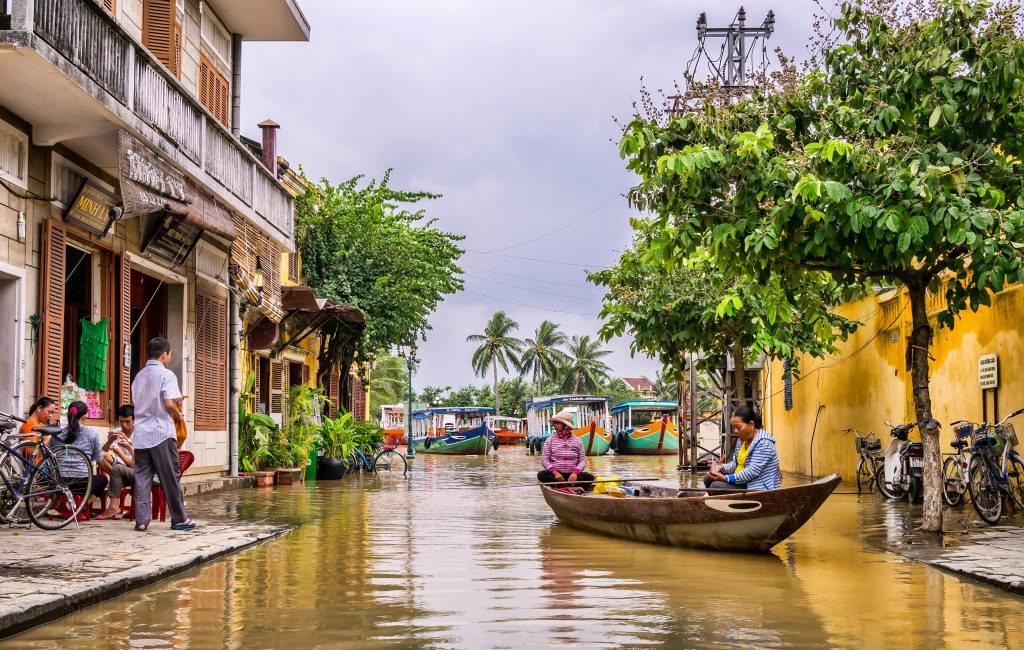
After settling in, take a gentle evening walk or enjoy the resort. Hoi An’s historic streets are famous for lanterns and riverside atmosphere, but the best evening won’t necessarily be the one where you join every crowded activity available.
Day 7: Hoi An Old Town, craft traditions and the river
Spend time discovering the preserved streets and historic buildings of Hoi An Ancient Town, a UNESCO World Heritage Site. A guided walk can explain the town’s trading history and its connections across Asia. Choose a few meaningful interiors or cultural activities rather than trying to enter every old house.
For a different experience, consider a locally led lantern-making or cooking workshop. Make sure it genuinely welcomes visitors and that the activities are suited to your group. I’d leave part of the afternoon for a café or the hotel pool, especially in hot or wet conditions.
Day 8: Beach, countryside or more time in Hoi An
This day is intentionally flexible. A beach-oriented guest could enjoy An Bang or the facilities at a coastal hotel, weather permitting. Travelers who prefer culture may enjoy a carefully selected countryside or craft experience. You could also spend the day doing very little beyond enjoying a long meal and shopping for something you’ll actually use.
The central coast has different rainy and storm seasons from northern and southern Vietnam. If you’re traveling in the wettest period, keep a backup plan instead of treating a full beach day as guaranteed. It’s better to adapt your day than force a boat activity in unsuitable weather.
Day 9: Transfer to Da Nang and depart
Travel back to Da Nang airport with enough time for your flight. If you’re connecting to an international departure through another Vietnamese city, leave an appropriate buffer and check whether bags are checked through. I wouldn’t schedule an attraction on the way to the airport unless departure is comfortably late.
Where I’d stay on this Vietnam route
The hotel choices should match what each destination contributes. In Ho Chi Minh City, central location makes sightseeing simpler. Hanoi rewards a walkable historic district. For Hoi An, decide whether you’ll prefer walking to the ancient town or spending time at a true beachfront resort.
- Park Hyatt Saigon: A refined city hotel in the central Opera House area. I’d consider it for travelers who want to walk to several landmarks and enjoy comfortable downtime without a lengthy car transfer after every meal.
- Sofitel Legend Metropole Hanoi: A storied luxury hotel near the Opera House and Hoan Kiem Lake. This is a strong choice if historic character and a central Hanoi setting are important to you.
- Anantara Hoi An Resort: A riverfront stay within walking distance of the ancient town, suited to travelers who want to explore Hoi An’s streets and return to a calmer resort environment. Its location is different from an actual beachfront property.
- Four Seasons Resort The Nam Hai, Hoi An: A luxury coastal villa resort near Ha My Beach. I’d consider it when wellness, privacy and beach time are central to the trip, with arranged transfers for Old Town visits rather than expecting to walk there.
How I’d choose: Invest in convenient city bases for the first two stops and decide whether the final nights are primarily about Hoi An’s historic center or an indulgent coastal resort. These different hotel styles can serve the same route without being interchangeable in daily logistics.
Food experiences worth planning in Vietnam
Three regions mean three very different sets of flavors. I’d arrange one special restaurant evening but keep plenty of time for casual food selected with someone who knows the neighborhood. Good planning isn’t about committing every meal to a famous address.
- Hoa Túc, Ho Chi Minh City: A contemporary take on Vietnamese cooking in the central city, with market-and-cooking-class experiences that may suit food-focused visitors. A good choice for a thoughtful introduction without requiring a long transfer.
- Anan Saigon: A more elaborate modern Vietnamese dinner within an old market setting. It currently asks guests to reserve ahead for its tasting menus and notes limited accessibility in its multi-level building. I’d consider it for a special evening rather than a casual walk-in meal.
- Chả Cá Thăng Long, Hanoi: A longstanding Hanoi restaurant known for its turmeric-and-dill fish preparation. If the dish appeals, this is a memorable way to try a northern specialty with a specific dining format rather than another generic international menu.
- Bún Chả Đắc Kim, Hanoi: A casual Old Quarter choice for smoky grilled pork and rice noodles. It’s a no-frills experience, not a formal reservation venue; be ready for queues or shared tables at busy times.
- Dining at Anantara Hoi An: A convenient riverfront option if you’re staying at the property or want a relaxed evening without arranging a long transfer. For a more exploratory Hoi An food experience, use a knowledgeable local guide to compare small restaurants and street-food stalls.
Food allergies and dietary needs should be discussed carefully, including sauces and stocks that may contain ingredients not obvious from a menu. Restaurant hours and menus change, so use this as a starting shortlist rather than a fixed reservation plan.
What I’d arrange before departure
- Flights that match the actual route. Compare arrival in Ho Chi Minh City, two domestic flights, and departure from Da Nang. If the international ticket requires returning to the first city, allow enough time and reconsider the final day.
- Visas and passport requirements. Entry rules depend on nationality and travel date. Check Vietnam’s official immigration guidance rather than relying on an old statement that everyone receives the same exemption.
- Reliable airport-to-hotel transfers. Choose arrival arrangements for each base, particularly the Da Nang-to-Hoi An transfer and the first long-haul arrival.
- One or two meaningful cultural experiences. A guided old-town visit, food experience or craft workshop can enrich the trip. Don’t prebook every morning before you know the weather and energy levels.
- Regional weather. Conditions differ considerably between north, south and central Vietnam. Hoi An can experience heavy rain or flooding during certain seasons, while Hanoi and Ho Chi Minh City have their own patterns.
How I’d tailor these nine days
For culinary travelers: Put more time into markets, regional dishes and one carefully selected cooking experience. For families: Keep city walking blocks short and book hotels with an appropriate room layout. For heritage-focused visitors: Extend Hanoi or Hoi An and remove some beach time. For people who dislike internal flights: Simplify to two regions with fewer hotel changes rather than treating the nine-day route as mandatory.
A trip to Ha Long Bay, an overnight in Hue or a deeper northern mountains journey can be worthwhile, but each deserves time. I would rather make the three regions in this itinerary work well than add several famous places only to say you saw them.
Common questions about nine days in Vietnam
Are three stops too many for a first visit?
It’s a moderately full trip, but manageable with two nights in Ho Chi Minh City, three in Hanoi and three in Hoi An. You will lose time to flights and hotel changes, so don’t assume every transfer day is a full sightseeing day.
Should I stay in Hoi An Old Town or near the beach?
Choose Old Town access if markets, historic buildings and evenings on foot appeal to you. Choose a beachfront hotel if the last days are mainly about relaxing, and budget for transfers when you want to visit the town.
Can I use trains instead of domestic flights?
Vietnam has rail service, and the journey can be rewarding on a longer itinerary. On this nine-day route, however, going from the south to Hanoi and then the central coast by train would consume much more of the trip. I’d compare real travel time and choose a slower itinerary if rail travel itself is the goal.
Plan this trip with Atlas Road Travel
Use this guide to explore the route, hotel choices and experiences. For a trip tailored to your dates, interests and budget, ask Atlas Road Travel. Our trip planning is free.
Get the complete itinerary
We will email you a printable PDF and an editable Word document, with planning notes, lodging guidance, and booking priorities. No automated foll