The Carolinas: 6-Day Sample Itinerary
This is a planning example, not a record of a trip we personally took. We can tailor the timing, hotel choices, and activities to your dates and interests.
At a glance
- Destination
- United States
- Duration
- 6 days
- Travel style
- Culture, coastal resorts, mountains, road travel
Six days is just enough to pair the historic streets and coastal atmosphere of Charleston with the Blue Ridge scenery around Asheville, as long as you acknowledge that they’re not neighboring towns. I’d spend three nights in Charleston and two in Asheville, using Day 4 as a proper road-transfer day between South Carolina’s Lowcountry and western North Carolina.
This is a good route for travelers who want history, food, beautiful architecture, and mountain landscapes in one trip. It’s not a quick beach-and-mountains day trip. The change in scenery is the appeal, so each area needs its own base and enough time to enjoy it.
How to spend six days in the Carolinas
Start on the coast and finish in the mountains, or reverse the trip if flights work better. An open-jaw arrival near Charleston and departure near Asheville can reduce backtracking, but car-rental terms and airline schedules should be compared before you book.
Day 1: Arrive in Charleston and walk the historic district
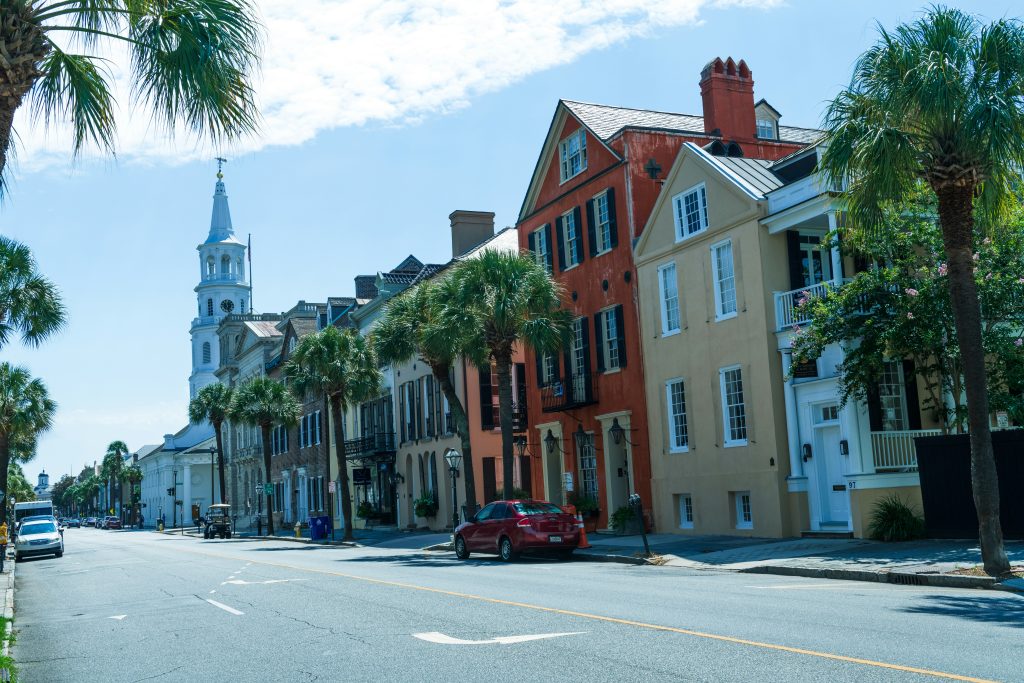
Check in, enjoy a short waterfront walk and get acquainted with the streets around the historic peninsula. Charleston’s architecture and small squares are more rewarding at a relaxed pace than as a checklist of doorways to photograph. I’d keep the first dinner close to the hotel instead of crossing town after a flight.
Why this works: You can enjoy the city even if the airport transfer runs late. A waterfront stroll survives changes in arrival time much better than a reserved tour.
Day 2: Charleston’s history, architecture and food
Spend the morning with a thoughtful walking tour that goes beyond the grand houses and explains the labor and lives of enslaved people whose work shaped the city. The Charleston Museum is another useful option for context. Then enjoy lunch and continue through selected streets or historic interiors.
Leave part of the afternoon for the waterfront or a quiet museum rather than trying to fit several house tours into a single day. One excellent guided experience can make the rest of Charleston more meaningful.
Day 3: A Lowcountry day at your preferred pace
Choose between coastal scenery and more city time. You might explore nearby barrier-island beaches or take an ecology-focused outing around the tidal marshes, depending on season and weather. Those options involve real travel and should be planned as the main event rather than squeezed between museum bookings.
If you’d rather stay in Charleston, use the day for galleries, shopping along King Street and a longer restaurant reservation. This is the day where personal interests should shape the route, not a universal must-see list.
Day 4: Road trip toward Asheville
Leave Charleston and head to the Blue Ridge region around Asheville. This drive takes a meaningful part of the day, and traffic or stops can stretch it further. I’d select a comfortable departure time and perhaps one planned lunch, rather than promising major sightseeing at both ends of the journey.
After checking into the mountain hotel, take an easy walk through downtown Asheville if staying centrally, or enjoy the grounds if you’ve chosen a resort setting. A relaxed dinner is enough after several hours on the road.
Day 5: Mountains, Biltmore or the Blue Ridge Parkway
Pick one major experience. The Biltmore Estate can occupy much of the day when you include the house, grounds and transport around the property. Another excellent option is a carefully selected section of the Blue Ridge Parkway with a few overlooks or an appropriate hike.
The Parkway can close sections for weather, landslides or road work. Check National Park Service updates before departure, and don’t assume a mountain route is open just because the city forecast looks pleasant. I’d avoid trying to complete both Biltmore and a long mountain drive in one day.
Day 6: A final mountain morning and departure
Enjoy breakfast and a short stroll if your flight schedule permits, then return the rental car and depart. If you’re flying from Charlotte rather than Asheville, account for that longer transfer in the day’s plan. Don’t add another mountain excursion to a tight airport morning.
Where I’d stay in Charleston and Asheville
The lodging decisions should reflect the trip’s two very different settings. In Charleston, walkability and character make the evenings easier. In Asheville, decide between downtown restaurants and a larger property with its own grounds and activities.
- The Dewberry, Charleston: A design-led luxury hotel in a restored midcentury building near Marion Square. I’d consider it for travelers who like polished interiors, an inviting lounge and easy access to the historic peninsula.
- The Spectator Hotel, Charleston: A smaller boutique choice near the City Market and waterfront. It’s particularly appealing for travelers who want a central walking base and a more intimate hotel atmosphere.
- The Inn on Biltmore Estate, Asheville: A resort-style base within the estate, useful if Biltmore is a centerpiece of the visit and you want time to enjoy the grounds. It is not a substitute for staying in walkable downtown Asheville.
- The Foundry Hotel Asheville: A historic-inspired downtown option for visitors who want restaurants, galleries and local streets close by, rather than spending the evening at a resort.
How I’d choose: Stay on Charleston’s peninsula to reduce driving, then decide whether Asheville is mainly a city-and-food stop or an estate-and-mountain retreat. Hotel parking, rental-car access and the actual room layout matter more than a glamorous lobby photograph.
Restaurants to consider along the route
Both Charleston and Asheville reward travelers who enjoy food. I’d reserve one high-priority dinner in each city and let lunch follow your sightseeing. Nothing makes a road trip more stressful than racing across town to arrive at a restaurant at an arbitrary time.
- Husk, Charleston: A thoughtfully Southern restaurant in the historic district. I’d consider it for a dinner where the region’s ingredients and food traditions are part of the experience.
- FIG, Charleston: A seasonal, ingredient-driven option for a special city meal. It makes sense when you want a more deliberate dinner rather than a casual stop after the beach.
- Cúrate, Asheville: A Spanish tapas restaurant in downtown Asheville, especially appealing for groups that like sharing several small plates. Reserve ahead if this is one of the evenings you’re building the trip around.
- Rhubarb, Asheville: A restaurant emphasizing local and regional ingredients, a good choice for travelers interested in the area’s food culture after an outdoor day.
If an established restaurant is closed for renovations or its menu changes, I’d substitute something nearby with a similar character. Restaurant names should help you plan, not become a reason to rearrange the whole route.
What I’d book before the trip
- Airports and rental car. Compare Charleston arrival with Asheville or Charlotte departure. Confirm one-way rental fees and the actual end-of-trip drive if you don’t fly from Asheville.
- Charleston lodging. Staying on the peninsula saves time and can make it easier to enjoy evenings without driving. Confirm parking arrangements before arrival.
- One historical or cultural tour. Choose an operator that treats Charleston’s full history seriously, including slavery and the communities who continue to shape the city.
- Mountain access and timing. Check Parkway closures and seasonal weather. A Blue Ridge day needs a backup option.
- Any Biltmore reservation. Confirm house admission, included grounds and tour times rather than assuming the hotel’s rate includes every estate activity.
How I’d adapt this Carolinas itinerary
For history lovers: Add another Charleston night and spend less time in the mountains. For hikers: Consider a longer Asheville stay, with one carefully chosen Parkway or trail excursion. For food-focused travelers: Preserve two relaxed dinner evenings in each region and reduce the number of scheduled daytime stops. For families: Mix shorter museum visits with outdoor time and choose lodging that doesn’t require constant car loading.
It’s tempting to add Savannah, Hilton Head, Boone or several mountain towns to this same route. I’d extend the trip rather than bolt on all those places during a six-day window.
Common questions about Charleston and Asheville
Is six days enough for the coast and mountains?
Yes, with three Charleston nights and two in Asheville, as long as the drive between them gets most of its own day. You’ll get a good introduction without pretending you can see all of both regions.
Do I need a car?
For the full two-region route, a car is the practical choice. Charleston’s historic center is walkable, but coastal outings, the intercity drive and mountain activities require reliable transport.
Is the Blue Ridge Parkway always open?
No. Closures can occur because of snow, ice, storms or maintenance. Check the National Park Service’s current road-status information and keep an alternative day available.
Plan this trip with Atlas Road Travel
Use this guide to explore the route, hotel choices and experiences. For a trip tailored to your dates, interests and budget, ask Atlas Road Travel. Our trip planning is free.
Get the complete itinerary
We will email you a printable PDF and an editable Word document, with planning notes, lodging guidance, and booking priorities. No automated follow-ups or sales sequence. Just reply if you want help planning your trip.
One delivery email for this request. We will not subscribe you to a newsletter without separate permission. Privacy policy
Need help making this a real trip? Atlas Road Travel can help plan it