California coast road trip: 7-Day Sample Itinerary
This is a planning example, not a record of a trip we personally took. We can tailor the timing, hotel choices, and activities to your dates and interests.
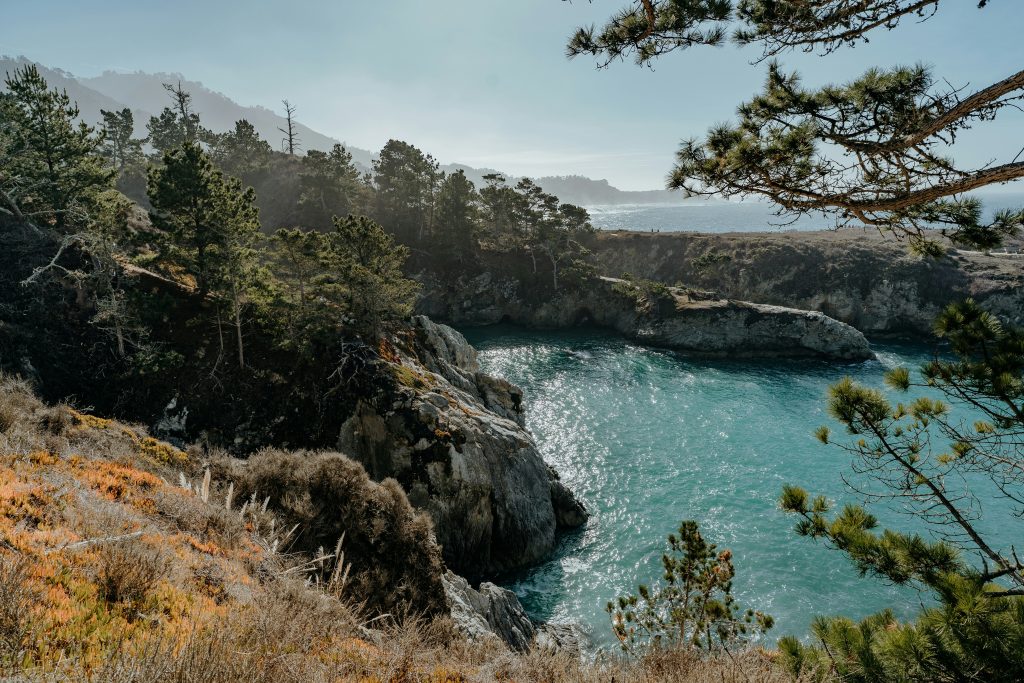
At a glance
- Destination
- United States
- Duration
- 7 days
- Travel style
- Scenic road trip, cities, coast, food
A week driving California’s coast can be an extraordinary mix of city streets, cliffs, beaches and excellent food, but only if you give the driving proper respect. The classic mistake is trying to fit San Francisco, Big Sur, Santa Barbara, Los Angeles and San Diego into seven days as though each were a short neighborhood stop.
I’d focus this route on San Francisco, Monterey and Carmel, Big Sur, Santa Barbara, and Los Angeles. Spend two nights in San Francisco, one in Carmel, one in Santa Barbara and two in Los Angeles. That totals six nights over seven days and leaves one substantial scenic driving day, with a choice to extend the trip if the southern coast is especially important to you.
How to spend seven days on the California coast
Travel south if flights and rental-car options permit, using San Francisco as the arrival airport and Los Angeles as the departure airport. The best coastal day depends on the condition of Highway 1. Check Caltrans’ live Highway 1 report before departure and again before entering Big Sur. Road closures, emergency repairs and one-way controls can change the plan, even when a route appeared open months earlier.
Day 1: Arrive in San Francisco
Check in and explore one neighborhood or the Embarcadero depending on your hotel. Don’t feel obliged to collect the Golden Gate Bridge, Ferry Building and every famous hill immediately after landing. If you arrive early, a relaxed waterfront walk and good dinner are plenty.
Why this works: The city is an enjoyable opening even without a timed attraction, and you don’t need a rental car for the first two nights if your hotel is centrally located.
Day 2: Golden Gate views and the neighborhoods of San Francisco
Give yourself one full city day. Choose a Golden Gate Bridge viewpoint when visibility is good, then spend time in a neighborhood that interests you, whether that’s the Presidio area, North Beach or a museum. A short bay cruise can be worthwhile if the weather cooperates, but I wouldn’t book a busy schedule of ferries and interior tours without checking the hours.
San Francisco rewards time on the streets as much as an attraction list. I’d pick one major reservation and keep lunch flexible rather than crossing the city several times.
Day 3: Drive to Monterey and Carmel
Collect the car when you’re ready to leave the city and head south toward the Monterey Peninsula. If you enjoy marine life and conservation, the Monterey Bay Aquarium can easily anchor the afternoon, with advance tickets a good idea on busy dates. Otherwise, choose a coastal walk and time in Carmel-by-the-Sea.
Stay nearby rather than trying to drive deep into Big Sur and then return to your hotel after dark. You’ll enjoy the scenery more when tomorrow’s route doesn’t begin with several hours of backtracking.
Day 4: Big Sur, then south to Santa Barbara
This is the major driving day. Head south along Highway 1 if it is fully open, with time for selected overlooks and scenery around Big Sur. Don’t try to stop at every turnout. A planned lunch and a few meaningful viewpoints are enough, because continuing toward Santa Barbara still takes time.
If Highway 1 is closed or weather makes the coastal drive unsafe, use an inland route through US 101 and adjust the day. Do not assume you can drive through a closure or that a detour will add only a few minutes. Check daylight as well, especially in winter when coastal driving becomes less relaxing after dark.
Day 5: Santa Barbara, then arrive in Los Angeles
Spend part of the morning enjoying Santa Barbara’s walkable downtown, waterfront or Spanish Colonial Revival architecture. A coastal café or short garden visit makes a pleasant break before continuing to Los Angeles. I’d head toward the hotel before evening traffic if possible.
After checking in, let the neighborhood shape dinner. A hotel in Santa Monica offers a different evening from Beverly Hills or West Hollywood, so choose the base intentionally.
Day 6: One complete Los Angeles day
Los Angeles is enormous, and a full day should not include every famous neighborhood. Choose an area and build around it. For a coastal day, explore Santa Monica and nearby beaches. For design, culture and restaurants, focus on a central west-side neighborhood or a major museum.
The Getty Center is another appealing possibility for art and architecture, with parking and timed operational details to check. I would not add a long theme-park day and a full city tour on top of that. Each is a legitimate alternative, not an extra stop.
Day 7: Departure from Los Angeles
Have an easy breakfast and check airport transfer time. If departing from LAX, traffic can be substantial, and it’s not worth trying to squeeze in another major attraction on the way. A later flight may allow one relaxed neighborhood stop, but the timing should follow the actual itinerary.
Where I’d stay on the California coast
Because this is a route with several bases, I would select hotels that make each overnight stop enjoyable. You’ll get more value from a great location and a sensible departure route than from a series of impressive lobbies that force needless driving.
- 1 Hotel San Francisco: A waterfront city base across from the Ferry Building. A good fit if you want to start the trip without a rental car and enjoy the Embarcadero and downtown sights on foot.
- L’Auberge Carmel: A smaller luxury property in Carmel-by-the-Sea, appealing for couples who want restaurants and picturesque streets within walking distance after the drive from San Francisco.
- El Encanto, A Belmond Hotel, Santa Barbara: A hillside retreat with gardens and views, worth comparing when you want the middle of the road trip to feel like a true overnight pause. Expect to drive or arrange a ride to some waterfront attractions.
- The Beverly Hills Hotel: A distinctive LA classic in a garden setting. A strong choice for visitors who prioritize hotel atmosphere and west-side Los Angeles access over being directly on the beach.
How I’d choose: Maximize urban walkability in San Francisco, enjoy a charming Carmel overnight, plan a relaxing Santa Barbara stop, and choose the LA hotel around your actual plans. If Big Sur is the reason for the trip, consider adding a night at a Big Sur property such as Post Ranch Inn and extending the total itinerary rather than making an already long drive day even longer.
Restaurants and food stops along the route
I’d choose meals that complement the location rather than chase famous restaurants miles away from the day’s destination. You’ll spend enough time driving as it is.
- State Bird Provisions, San Francisco: A lively California dining experience for travelers interested in creative small plates. Make a reservation if it’s a priority and let dinner be the evening’s special event.
- Casanova, Carmel: A romantic Carmel dinner option with a European-inspired atmosphere. Well placed for a meal after exploring town without needing another long drive.
- Bouchon, Santa Barbara: A locally focused California wine-country restaurant worth considering on your Santa Barbara night. Reserve it if you want the evening to be more deliberate than a casual waterfront meal.
- République, Los Angeles: A notable bakery and restaurant in a historic building, useful for a memorable LA meal if it fits your chosen neighborhood. Verify whether breakfast, lunch or dinner is the best option for your dates.
These are starting points rather than fixed stops. If Highway 1 conditions change, dining plans may need to move with the route. I’d preserve the experience of the drive rather than insist on keeping every reservation.
What I’d check before booking
- The open-jaw flight and one-way rental. Compare San Francisco arrival and Los Angeles departure before building the hotel schedule. Confirm pickup timing and any one-way rental fees.
- Highway 1 conditions. Use Caltrans, not an old article, for current closures and traffic controls. Have a realistic US 101 fallback if necessary.
- Daylight and seasonal conditions. Coastal fog, rain, fire activity and winter daylight can all change the best timing for scenic stops.
- One or two anchor attractions. The Monterey Bay Aquarium or a major LA museum can be reserved in advance; you don’t need a ticket for every hour of the trip.
- Hotel arrival and parking. Check overnight car costs and whether your hotel can handle your vehicle, particularly in San Francisco and LA.
How I’d change this coast itinerary
For scenic-road enthusiasts: Add a night around Big Sur and enjoy shorter drives. For families: Spend longer in Monterey and choose fewer hotel changes. For food lovers: Consider another Santa Barbara night and reduce LA sightseeing. For travelers primarily drawn to Los Angeles: Fly directly there and treat a northern-coast trip as a separate vacation.
San Diego can be a wonderful addition, but I wouldn’t squeeze it into these seven days without removing another stop. Extending the itinerary by two or three nights makes far more sense than spending the final two days rushing between cities.
Common questions about a seven-day Highway 1 trip
Can I drive through Big Sur all year?
Not necessarily. Portions of Highway 1 can close because of landslides, fire, construction or severe weather. Check official current conditions shortly before travel and have an inland alternative.
Is seven days enough for San Francisco and Los Angeles?
Yes for a focused coastal route, but both cities will receive only a limited introduction. If either city is your main goal, add nights or reduce the number of coastal stops.
Should I rent a car as soon as I land?
Not automatically. If you’ll spend two nights exploring central San Francisco, picking up the car on departure morning can save parking costs and the inconvenience of navigating the city with luggage.
Plan this trip with Atlas Road Travel
Use this guide to explore the route, hotel choices and experiences. For a trip tailored to your dates, interests and budget, ask Atlas Road Travel. Our trip planning is free.
Get the complete itinerary
We will email you a printable PDF and an editable Word document, with planning notes, lodging guidance, and booking priorities. No automated follow-ups or sales sequence. Just reply if you want help planning your trip.