Kenya safari: 7-Day Sample Itinerary
This is a planning example, not a record of a trip we personally took. We can tailor the timing, hotel choices, and activities to your dates and interests.
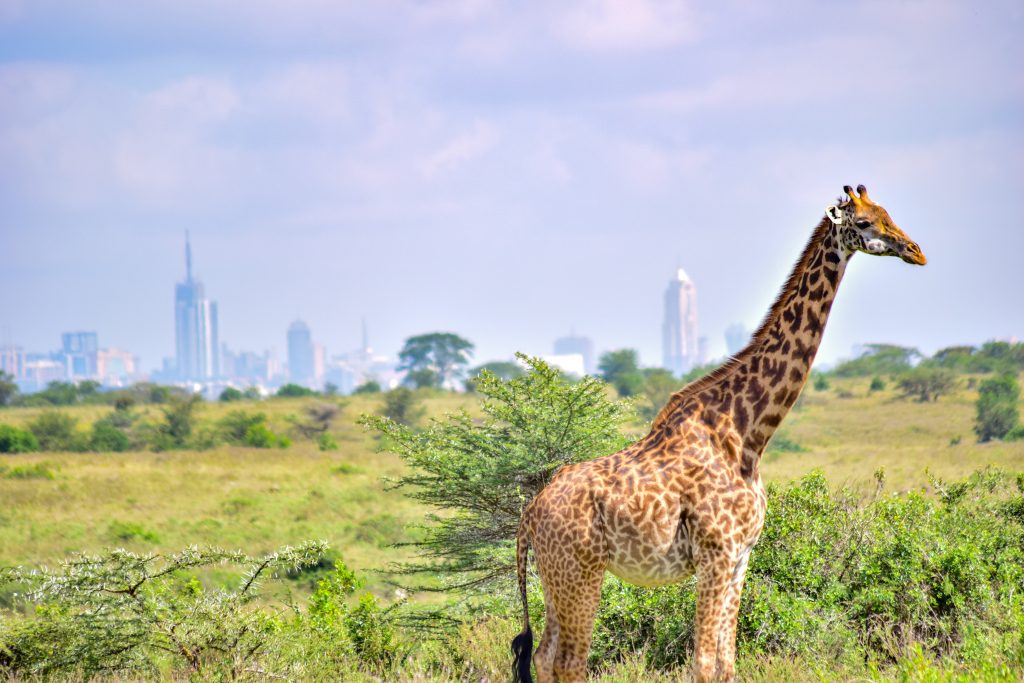
At a glance
- Destination
- Kenya
- Duration
- 7 days
- Travel style
- Wildlife, conservation, fly-in safari
The biggest mistake in a seven-day Kenya safari is using too much of it to change parks. I’d choose one excellent wildlife region, allow enough time to experience it with a skilled guide, and keep Nairobi in the schedule for flights and a calmer arrival and departure. For a first safari, the Maasai Mara offers a strong reason to slow down rather than chase every name on a map.
This example suits travelers who value wildlife photography, changing landscapes and early mornings in the bush, but still want comfortable lodging. It’s a seven-day trip with six nights, and most of the safari happens in one region. Wildlife is never guaranteed, and the Great Migration is a seasonal natural event rather than something any operator can schedule.
How to plan this route
Use one night in Nairobi on arrival, four nights at one well-situated Mara camp, and one night back in Nairobi before the international flight. That is six nights across seven days, with no need to pack up and change safari lodges halfway through. I would strongly consider a scheduled small-plane connection between Nairobi’s Wilson Airport and an airstrip serving the chosen camp, but a responsible ground transfer may make sense for certain budgets.
Wilson Airport and Jomo Kenyatta International Airport are separate airports. A domestic bush flight is not the same as simply walking to another departure gate. A transfer driver, road buffers and luggage rules need to be planned as carefully as the game drives. The final Nairobi night protects the long-haul departure against an avoidable same-day connection.
Day-by-day sample itinerary
Day 1: Arrive in Nairobi and settle in
Meet your arranged driver after entry formalities and travel to the hotel. Depending on arrival time, enjoy the grounds, a relaxed restaurant or a short nearby cultural experience, but do not add a safari park drive after a long overnight flight unless the timing is genuinely comfortable. Nairobi has traffic and the airport transfer can take longer than expected. A simple first day also gives you space to meet your local operator and confirm tomorrow’s pickup.
Planning note: Sleep in Nairobi tonight. A late arrival shouldn’t force an immediate transfer to the Mara, and the next day’s flight or road journey will be more enjoyable after some rest.
Day 2: Transfer into the Maasai Mara region
Travel from Nairobi toward your selected safari camp, either by prearranged air transfer or by road with an experienced driver. If flying, allow time to reach Wilson Airport and respect the light-aircraft luggage restrictions. Once at camp, take a short introductory game drive if your arrival and package permit it, then settle in for dinner. The changing scenery and first conversation with your guide are part of the experience, not just transit.
Planning note: Pick the camp before picking the airstrip or road route. Different concessions and reserve locations are not interchangeable, and the transfer must serve the place you’ve actually booked.
Day 3: A full day of guided game drives
Start early when temperatures and animal activity may be favorable. A guide who knows the terrain can explain tracks, birds and grazing patterns even during quieter stretches without a dramatic sighting. Return for lunch and a rest if the camp’s outing schedule allows, then consider an afternoon drive. Resist the temptation to focus only on a list of large mammals; smaller wildlife and the ecosystem give the day depth.
Planning note: Ask the lodge whether the quoted rate includes two shared drives, a private vehicle or only certain activities. An all-inclusive label doesn’t necessarily include conservation fees or every optional experience.
Day 4: Explore another section of the ecosystem
Use a second full day to explore a different area with your guide where permits, road conditions and your camp’s access allow it. You might focus on wildlife behavior, landscapes or photography rather than trying to force a specific predator encounter. Consider a picnic or bush breakfast only if the camp can arrange it safely and ethically. Leave time in the middle of the day to rest, particularly in warmer periods.
Planning note: The reserve and surrounding conservancies have different access rules. Verify your camp’s driving permissions and fees before planning a dramatic cross-reserve route on paper.
Day 5: A final full Mara day
Enjoy another sunrise outing and use the last full safari day for interests that have emerged, perhaps elephants, birds, landscape photography or quiet observation. A reputable camp may offer guided walks, cultural visits or a balloon flight as separate options, but availability, age rules and prices should be confirmed. You do not have to book all of them to have a memorable safari. Some of the best moments come when there is time to remain in one place.
Planning note: Don’t promise a migration river crossing or a particular animal. Natural events depend on conditions, and a great guide is valuable precisely because the day’s priorities may change.
Day 6: Return to Nairobi
Leave the Mara with the scheduled transfer and return to Nairobi. There may be time for a leisurely hotel lunch or an afternoon activity near your accommodation, but the key purpose is to be back before your international departure day. If you’re interested in Nairobi National Park, decide whether the timing realistically allows a distinct outing rather than calling it a guaranteed add-on.
Planning note: This extra Nairobi night may look expendable, but it can protect a costly long-haul ticket against light-aircraft disruptions or lengthy road delays.
Day 7: Depart from Nairobi
Use the day for breakfast, packing and the airport transfer. With a later flight, you may enjoy the hotel or a carefully timed local stop, but leave a substantial buffer for city traffic and check-in. By this stage, a traveler will have spent four nights in the safari landscape instead of losing the middle of the week to multiple moves.
Planning note: Make sure the ticket departs from the airport you intend to use and arrange transportation accordingly. The final plan must match the actual departure hour, not a generic ‘Day 7 flight home’ label.
Where to stay
A safari camp is not just a place to sleep. Where it sits determines game-drive access, transfer options, conservation fees and the feel of the days. These recommendations include a Nairobi base and two contrasting Mara options, not three locations to stay in one week.
- Hemingways Nairobi: A quiet upscale Nairobi option in the Karen area that can make arrival and predeparture nights comfortable. It is away from much of central Nairobi, so I’d check transfer times and any proposed activities before choosing it.
- Angama Mara: A luxury lodge overlooking the Mara landscape from the escarpment. This is a strong comparison for couples or travelers seeking a highly considered lodge experience and dramatic scenery. Confirm the camp-to-airstrip transfer and specific reserve access in the package.
- &Beyond Bateleur Camp: A classic-style tented camp near the western Mara with a different mood from an escarpment lodge. The operator describes guided wildlife activities and a family-tent option; check the exact inclusions, child policies, and all conservation charges for your date.
I’d select one Mara camp for all four safari nights rather than move between Angama and Bateleur just to compare two luxury brands. A camp’s guide, vehicle arrangements and access rights matter at least as much as the tent. For families, ask about separate rooms, minimum safari-activity ages and private vehicle needs before paying a deposit.
Dining and food experiences
Meals on safari normally follow the camp’s activities, so restaurant recommendations work differently than in a city guide. Rather than recommending a long list of independent dining rooms in a remote wildlife region, I’d plan one Nairobi meal and ask detailed questions about the camp’s own food program.
- Hemingways Nairobi dining: The hotel’s official site is the starting point for its current restaurant offerings. A comfortable arrival-night dinner at the hotel can be much easier than another drive after a long flight.
- A Nairobi restaurant evening: If arrival timing allows, book a restaurant in a neighborhood convenient to the hotel. I’d confirm opening hours and transport with the local driver rather than choose a famous name that adds substantial traffic.
- Lodge breakfasts and afternoon meals: Ask the Mara camp what the package includes and how meals fit around sunrise and afternoon drives. A relaxing lunch and rest between outings can be more valuable than adding another organized activity.
- Camp-arranged bush breakfast or picnic: If offered by the lodge, a guided meal in an approved outdoor location can be memorable. It should be arranged by the camp, with wildlife safety and reserve rules in mind, rather than improvised by travelers.
Practical planning and bookings
Kenya has entry rules and wildlife logistics that should be resolved before booking. As of October 2026, a government travel-insurance rule is especially important, and an older generic packing list may not mention it.
- Electronic travel authorization: Check nationality-specific eligibility, exemptions and the application process on Kenya’s official eTA portal. Don’t assume every passport holder has the same requirement.
- Mandatory inbound health insurance: Effective October 5, 2026, Kenya requires many incoming visitors to obtain government-approved inbound travel health coverage even if they already have private travel insurance. Review the official eCitizen insurance portal and applicable exemptions before departure.
- Current health and safety guidance: Check the current U.S. State Department Kenya travel advisory or the relevant authority for your nationality. Requirements and health conditions can change, so this deserves a fresh review close to departure.
- Safari costs: Clarify park or conservancy fees, domestic flights, guide services, meals, gratuities and private vehicle supplements. A daily room rate is not necessarily the total trip cost.
- Photography and safety: Bring binoculars, protect camera gear from dust and follow the guide’s instructions around vehicles and wildlife. Do not ask drivers to approach animals against park rules.
Ways to tailor the journey
- Wildlife photographers: Pay attention to vehicle sharing, seating, departure flexibility and the ability to spend time watching behavior instead of covering more ground.
- Families: Choose a camp whose child policies, linked rooms and activity ages work for your group. A private vehicle can create a calmer pace if the budget allows.
- Travelers who dislike small planes: Ask about a professionally arranged road transfer and its realistic duration, and consider simplifying the safari region rather than adding extra parks.
Frequently asked planning questions
Do I have to go during the Great Migration?
No. A good Mara visit can be rewarding outside the most famous seasonal movement. The migration is a natural, shifting event, so no lodge can honestly guarantee where animals or river crossings will be on a specific date.
Should I combine the Mara with Amboseli?
Not necessarily in seven days. It can make sense on a longer trip, but for this itinerary I’d rather give the Mara meaningful time and avoid another substantial transfer. A different region should replace some existing days, not appear from nowhere.
Is a light-aircraft flight worth the cost?
It may save time and avoid a long road journey, but you have to account for the separate Nairobi airport transfer and luggage restrictions. The value depends on your budget, international arrival time and camp location.
Making the example your own
This is an original sample route, not a claim that Atlas Road Travel personally stayed at these camps or witnessed particular animals. We can help compare safari operators, lodge locations and booking terms, then build the plan around your flights and travel season. I’d confirm the entry and insurance requirements before making any nonrefundable arrangements.
Get the complete itinerary
We will email you a printable PDF and an editable Word document, with planning notes, lodging guidance, and booking priorities. No automated follow-ups or sales sequence. Just reply if you want help planning your trip.