Stockholm and Dalarna: 7-Day Sample Itinerary
This is a planning example, not a record of a trip we personally took. We can tailor the timing, hotel choices, and activities to your dates and interests.
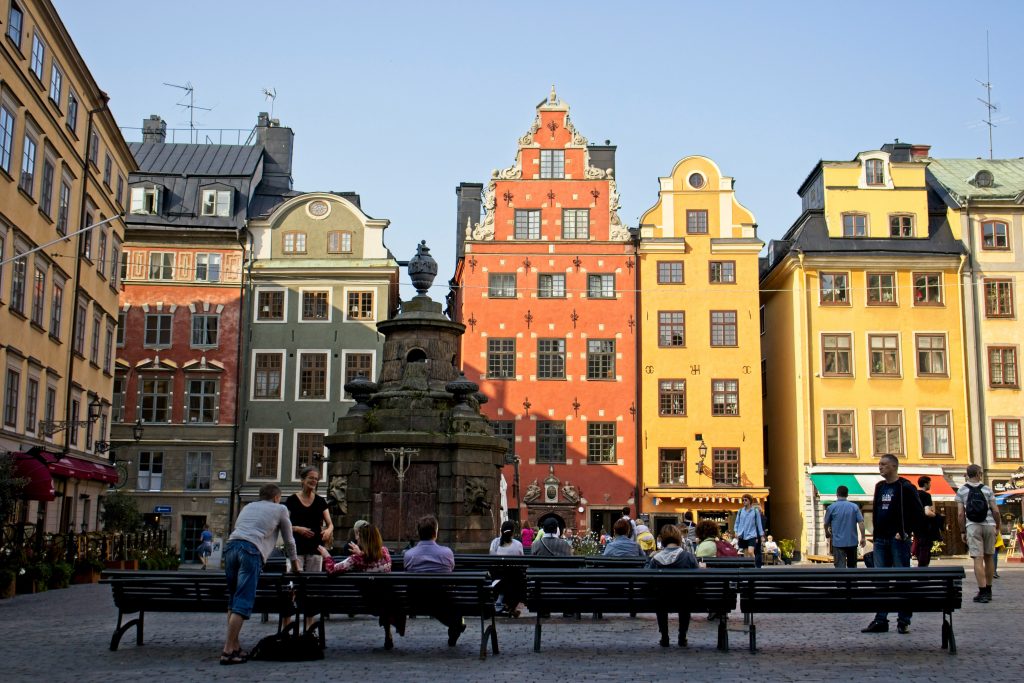
At a glance
- Destination
- Sweden
- Duration
- 7 days
- Travel style
- City culture, nature, crafts, wellness
Seven days in Sweden can be much more interesting than seven days in Stockholm alone. I’d combine a few days of museums, islands and city neighborhoods with a stay around Lake Siljan in Dalarna, where the pace becomes quieter and traditional crafts, forest scenery and small towns take center stage. It feels like two sides of Sweden without adding an international flight or a long series of hotel changes.
This route is best for travelers who like culture, waterfront walks and independent exploration, with an interest in seeing more than the capital. It isn’t a whirlwind journey around southern Sweden. The important planning choice is whether your flights and train timetable leave enough time to reach and return from Dalarna comfortably.
The route and number of nights
Plan three nights in Stockholm and three nights in Tällberg or another Lake Siljan village. That is six hotel nights over seven days. Use the first three days to explore Stockholm, travel into Dalarna on Day 4, spend Days 5 and 6 in the region, then return toward Stockholm for a later departure on Day 7.
The trip works more comfortably with a late flight on Day 7. If the only flight home departs early in the morning, return to the Stockholm airport region for the final overnight and shorten Dalarna by a night. I would make that decision before booking rural accommodation, because a long cross-country transfer and early international flight are not a reliable pairing.
Day-by-day itinerary
Day 1: Arrive in Stockholm and explore the waterfront
After landing, travel into Stockholm, check into the hotel and keep your first walk close to the center. The waterfront near the Old Town makes a rewarding introduction without a timed reservation. Cross a bridge, stop for coffee, and notice how water divides and connects the neighborhoods. A relaxed Swedish dinner is preferable to squeezing in a museum after a long travel day.
Planning note: Stockholm’s islands make hotel location meaningful. An arrival near the city center is easier if luggage and jet lag are concerns; don’t schedule a ferry excursion for the same afternoon.
Day 2: Gamla Stan and the historic center
Spend the morning around Gamla Stan’s narrow streets, squares and surrounding waterfront. You can add a museum or guided history walk if it matches your interests, but I’d avoid treating the Old Town like a shopping street to hurry through. Explore adjoining neighborhoods and spend time over lunch. In the evening, choose a restaurant that gives you an easy journey back to the hotel.
Planning note: The Royal Palace and other attractions have varying calendars. Check their actual admission rules if you want to go inside, and don’t assume every public building is open every day.
Day 3: Djurgården and a museum day
Take time for Djurgården and choose one significant museum, such as the Vasa Museum, instead of trying to cover every institution on the island. The preserved ship and exhibits can justify a thoughtful visit on their own. Add a walk around the green spaces or a shorter second stop if energy permits. Another appealing option is a carefully selected short boat outing, depending on the season and your interests.
Planning note: Check the Vasa Museum’s official site for opening times and tickets. Ferries and other waterfront services vary by season, so confirm that before assigning a fixed departure.
Day 4: Travel toward Lake Siljan in Dalarna
Leave Stockholm for Tällberg or another Lake Siljan base, traveling by train where the timetable works. After arriving, settle into a guesthouse or lakeside hotel and enjoy the quieter surroundings. A walk through the village and a good hotel dinner are enough after a travel day. This is where the itinerary intentionally changes atmosphere, from busy city streets to a region of wooden buildings, forest and open water.
Planning note: Confirm the train’s exact station and the last leg to the hotel. Rural Swedish hotels are not necessarily a short walk from their nearest transport stop, especially with suitcases.
Day 5: Tällberg and the Lake Siljan area
Give the lakeside region a full day without an ambitious cross-country tour. Explore Tällberg, find viewpoints or easy walking paths appropriate to the season, and take time for local food and craft shops. If you’d like to see Dala horse carving or painting, arrange a relevant visit in the broader Siljan area where the workshop accepts visitors. A relaxed lunch and some unscheduled afternoon time are worth protecting.
Planning note: Distances between villages matter, even when they look close on a map. Choose a rental car, driver or prearranged tour if you want several small stops outside the village.
Day 6: Choose a Dalarna cultural excursion
Use the second regional day for one focused outing. Falun and its historic copper-mine landscape are a strong choice for history-minded travelers, while others may prefer villages, crafts and scenery closer to Siljan. The purpose is to experience something distinctive about the region rather than try to collect every Dalarna landmark. Return to the hotel for another unhurried evening.
Planning note: If the Falun mine is a priority, check the attraction’s official information for tour operation and physical requirements. Underground tours may not suit everyone, and the travel time from Tällberg must be included.
Day 7: Return toward Stockholm and depart
Travel back toward Stockholm with the real rail schedule and airport check-in requirement in mind. A later departure may give you room for a comfortable morning. An early international flight is a different trip and may require spending the previous night near the airport rather than in Dalarna. There is little value in a beautiful last breakfast if it creates a risky connection home.
Planning note: I’d build the itinerary backward from the departing flight before booking the Dalarna hotel. The final day is for getting home comfortably, not another long sightseeing excursion.
Hotels to consider
The two destinations call for different hotels: Stockholm benefits from a location with easy access to attractions and transport; Lake Siljan is about atmosphere and access to rural excursions. These options are not interchangeable, and I’d choose one property per base for the whole stay.
- Hotel Skeppsholmen, Stockholm: A quieter island hotel in historic buildings with a distinctive waterfront setting. It can be a good choice for design-minded travelers who enjoy returning to a peaceful spot, though transfers to some attractions will involve walking or transport.
- Grand Hôtel Stockholm: A central luxury alternative for travelers who put waterfront location, traditional service and convenient access to the city high on their list. I’d compare the actual room view and configuration carefully before choosing it.
- Åkerblads Gästgiveri & Hotell, Tällberg: A family-owned hotel rooted in the village with a restaurant and spa, well suited to travelers who want a traditional Dalarna atmosphere. It can make the quieter half of the trip feel like a stay rather than just a series of drives.
- Green Hotel, Tällberg: An alternative overlooking Lake Siljan, with a range of room categories and facilities. It could be useful for families or travelers wanting on-property time, but check room type and the seasonality of specific amenities.
If Stockholm sightseeing is the priority, Grand Hôtel’s location may be attractive. If a quieter island retreat matters more, Skeppsholmen is worth comparing. In Dalarna, I’d choose a hotel for the scenery, dining and ease of arranged outings, not simply the lowest quoted room rate.
Food stops that fit the trip
This is a good trip to mix traditional Swedish food with a few less formal meals. Dalarna in particular rewards booking a hotel with a strong restaurant, since you may not want to drive at night for dinner after a day exploring small villages.
- Långa Raden at Hotel Skeppsholmen: The hotel’s official website introduces its restaurant in a historic setting. A convenient option for a slower Stockholm meal, particularly if you’re staying on the island.
- A classic Swedish lunch in Stockholm: Reserve time for a traditional restaurant or a café meal near Gamla Stan or Djurgården. I’d choose the exact venue after confirming which museum occupies the day, rather than making an unnecessary cross-town detour.
- Åkerblads restaurant in Tällberg: The hotel’s official site describes cooking with local produce and guest dining packages. It’s an appealing first-night dinner when you’ve just arrived from Stockholm.
- Green Hotel restaurant: A second Lake Siljan dining option with views and a regional focus. Confirm reservations and seasonal menus before planning an evening there if staying elsewhere.
- Fika in a village café: Keep one afternoon free for coffee and a pastry during the Siljan-area day. Enjoying a place slowly can be a better use of time than driving to another viewpoint simply to add it to a list.
Transport, tickets and practical details
The trip is easy to misunderstand if you plan it from a map alone. The right rail arrival, last-mile transfer and international departure timing are the key decisions.
- Intercity rail: Check SJ’s official site and any connecting operators for Stockholm to Dalarna options. Timetables and intermediate stops should be checked on the actual travel dates.
- Local transport: Stockholm is practical without a car for this itinerary. Dalarna outings may benefit from a rental car or a guided arrangement, especially when visiting rural craft workshops.
- Season and weather: Summer offers longer daylight and different outdoor possibilities than a snowy winter stay. Choose lakeside walks, markets and indoor attractions to suit the real season.
- Tickets and workshops: Book any timed Vasa Museum visit, Falun tour or small craft experience as required by the operator. Don’t assume drop-in access is always available.
- Airport return: Match the last rail journey to the actual airport and flight. A departure through Stockholm Arlanda is not the same as a hotel being close to central Stockholm.
How I’d customize this itinerary
- Stockholm-first travelers: Drop Dalarna and use the extra days for islands, museums and a more relaxed urban stay.
- Crafts and nature lovers: Add another Dalarna night and arrange a driver for the small towns around Siljan.
- Families: Choose spacious rooms and shorten the museum blocks, leaving more outdoor time and fewer day-trip commitments.
Frequently asked questions
Is Dalarna worth the transfer from Stockholm?
Yes if you genuinely want a different pace and small-town Swedish culture. It’s less useful when the trip’s main focus is city museums and restaurants.
Do I need to rent a car for the entire week?
No. Stockholm works well using public transport, and a car may be more useful only after arrival in the rural area. Evaluate regional trains and local transport before paying for a week of parking.
Can I fly home early on Day 7?
Only by changing the night plan. With an early flight, I’d return toward Stockholm on Day 6 rather than assume a long morning transfer from Tällberg will work perfectly.
Plan the trip around your dates
This sample route combines the city and countryside without pretending a rural train transfer is a quick taxi ride. Atlas Road Travel can help compare city and lakeside hotels, confirm the train sequence and adjust the final night’s location around your actual flight.
Get the complete itinerary
We will email you a printable PDF and an editable Word document, with planning notes, lodging guidance, and booking priorities. No automated follow-ups or sales sequence. Just reply if you want help planning your trip.