Australia highlights: 10-Day Sample Itinerary
This is a planning example, not a record of a trip we personally took. We can tailor the timing, hotel choices, and activities to your dates and interests.
At a glance
- Destination
- Australia
- Duration
- 10 days
- Travel style
- Cities, reef, luxury activity travel
Australia is enormous, and ten days is not enough to see Sydney, Uluru, the Great Barrier Reef, Melbourne and Tasmania properly. I’d choose two cities and one scenic driving region instead. Sydney offers a memorable harbor and beaches, Melbourne brings art and food, and the Great Ocean Road adds a landscape that feels very different from either city.
This first-time sample works best with arrival in Sydney, departure from Melbourne and one domestic flight between them. It is for travelers who want a mix of culture, good hotels and independent exploration, not those trying to tick off every famous site. The right flight direction is one of the most useful decisions you’ll make.
How the ten days fit together
Plan four nights in Sydney, two in Melbourne, two around Apollo Bay and one more in Melbourne before flying home. That’s nine hotel nights across ten days. The return to Melbourne is deliberate: you don’t want a long coastal drive to be the first step of an international travel day.
Use public transport or arranged transfers for Sydney and Melbourne. Rent a car for the Great Ocean Road section only, making sure the driver is comfortable with left-side driving. The coastal itinerary can be adapted into a guided tour if you prefer not to drive.
Day-by-day itinerary
Day 1: Sydney arrival and the harbor
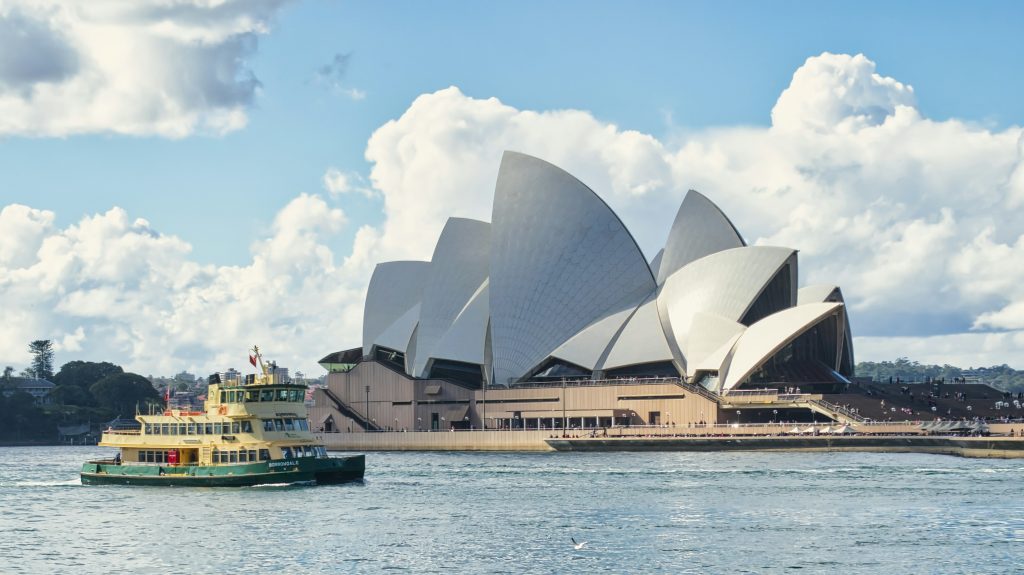
After a long international flight, check in and explore the harbor rather than rushing into timed sightseeing. Circular Quay, the Opera House forecourt and the surrounding waterfront are enough to give you a memorable first impression. Have dinner within easy reach of the hotel and allow yourself to adjust to the time zone. Trying to do the Blue Mountains on arrival day would be a poor tradeoff.
Planning note: Keep this first day flexible. Airport formalities, hotel access and jet lag are more important than adding one extra paid tour.
Day 2: Opera House and Sydney’s center
Start with the Opera House precinct, arranging a tour or performance if architecture and music are among your interests. Continue through the Royal Botanic Garden or along the waterfront for views of the bridge and city. Spend the afternoon on one neighborhood rather than moving across the whole city. It is worth enjoying a long harbor-side lunch, especially when the weather is pleasant.
Planning note: Check the official Opera House schedule for tours and performances. An event booking should determine your day, not the other way around.
Day 3: Eastern beaches or a different coastline
Consider the Bondi area and a suitable section of the coastal walk if weather and mobility allow. Make this a full beach-and-neighborhood day instead of an expensive journey for one quick photograph. If you prefer calmer water or a ferry outing, another part of Sydney’s coastline may suit better. Enjoy a relaxed evening around your hotel rather than planning a second long excursion.
Planning note: Follow beach signs and swim only where conditions and lifeguard advice make it appropriate. Australian surf can be stronger than it appears.
Day 4: Blue Mountains or a slower Sydney day
A full-day Blue Mountains excursion can add sandstone scenery and bushwalks for travelers who enjoy nature. It requires travel in both directions and enough time to visit a small selection of viewpoints responsibly. Alternatively, use the day for a Sydney museum, neighborhood food tour or harbor ferry. Neither choice is mandatory to enjoy the trip.
Planning note: Pick this day after deciding whether you care more about an inland outing or time in the city. Both are worthwhile, but combining them defeats the purpose.
Day 5: Fly to Melbourne
Transfer to the airport and take a domestic flight to Melbourne. After the city transfer and hotel check-in, walk around Federation Square or the central laneways and settle into the city’s café and restaurant culture. There is no reason to pick up a rental car today if the next full day is spent in the center. Keep one restaurant booking near the hotel.
Planning note: A domestic flight is a genuine travel segment. Allow for luggage, airport transport and the different locations of Melbourne’s airports.
Day 6: Melbourne art and neighborhoods
Spend a good part of the day at the National Gallery of Victoria or a focused gallery experience, then choose a neighborhood for walking, food or design. Melbourne rewards curious detours and unhurried stops. If you want an Aboriginal-led cultural experience, book with a reputable local provider and give it a proper block of time. A second major road trip would be a poor addition to this day.
Planning note: Use the official gallery calendar for exhibitions and ticketing. Some special exhibitions require booking even when general admission is available.
Day 7: Begin the Great Ocean Road
Collect a car and head toward Torquay, Lorne and the winding coast beyond. Build in time for stops at viewpoints, a seaside lunch and perhaps a short rainforest walk, then continue to a room near Apollo Bay. The Great Ocean Road is more enjoyable when the drive itself is the experience, not something to finish as fast as possible. Don’t schedule a hard-to-reach dinner after a long afternoon at the wheel.
Planning note: Check road conditions, keep left, and allow more time than a navigation app suggests. Scenic stops and winding roads can make progress much slower than a highway trip.
Day 8: Twelve Apostles and Otways
Use the day for a carefully paced outing along the Great Ocean Road, including the Twelve Apostles area and selected viewpoints where access is safe. Some travelers will value a forest stop in the Otways as much as the limestone coastline. Rather than cramming every named lookout into the schedule, choose two or three priorities and give them time. Return to the same coast hotel for an easy evening.
Planning note: If you’re staying near Apollo Bay, account for the drive back from the Twelve Apostles. Weather, coastal closures and daylight can change how far you should go.
Day 9: Return to Melbourne for the final night
Travel back toward Melbourne with an optional meal or stop along the way. Return the rental car, check into a city hotel and enjoy one last comfortable dinner. Returning before the international departure is an important decision, since it avoids gambling a flight on a long morning drive from the coast. If the weather was poor earlier, this day provides some flexibility but is not unlimited.
Planning note: I’d protect the final city overnight even if it costs an additional check-in. It makes the journey home less stressful.
Day 10: Depart Melbourne
Allow enough time for airport transport, check-in and any connections on your return journey. Breakfast and checkout may be the only realistic plans on an early flight. The route has given you Sydney, Melbourne and a distinctive coastal drive without pretending that Australia can be covered completely in ten days.
Planning note: If you must return through Sydney, confirm any domestic-to-international connection requirements. Open-jaw international flights may be worth comparing.
Where to stay
Your Sydney hotel determines whether the harbor is right outside the door or an easy transit ride away. In Melbourne I’d prioritize walkability, while the coastal hotel should be chosen for where you finish driving rather than only the view in its marketing photos.
- Capella Sydney: A polished Sydney property in the center, practical for harbor walks and a special city stay. It suits travelers who care about hotel atmosphere as well as sights.
- Park Hyatt Sydney: A waterfront alternative for visitors whose dream is a harbor setting. Compare actual room views and categories before paying a premium.
- The Langham, Melbourne: A Southbank hotel with convenient access to the river and city center. It could serve both Melbourne stays if you’d prefer a familiar property.
- Captains at the Bay, Apollo Bay: A small coastal accommodation option that supports two nights near the center of your scenic drive. Check the room layout and access from the road.
For families, I’d compare room occupancy, laundry access and rental-car logistics before booking. For couples, one memorable harbor room in Sydney or a distinctive coast property may provide more value than upgrading all nine nights.
Dining options that fit the route
There is no need to chase a different destination restaurant in every city. I’d build a few meals around neighborhoods you’re already visiting and keep the coastal days flexible enough for a relaxed lunch.
- Opera Bar, Sydney: A convenient harbor-side option if you want the setting to be a part of the meal. It is a popular public location, not a secluded restaurant.
- Chin Chin, Melbourne: A lively city-center dinner option for the Melbourne portion. Check current reservation arrangements before planning a specific evening.
- Attica, Melbourne: A special-occasion restaurant for serious food travelers, best treated as a deliberate reservation that shapes the evening rather than a casual walk-in.
- Apollo Bay cafés: On the coastal portion, a casual dinner close to the hotel is usually more sensible than a long nighttime drive to an elaborate restaurant.
Things to arrange in advance
- Australian entry: Use the Australian government’s visa finder for the travelers’ nationality. Don’t assume every visitor qualifies for the same authorization.
- Great Ocean Road logistics: Tourism Australia’s regional guide is a useful starting point; also check road and park conditions for the actual dates.
- Domestic flight: Plan Sydney to Melbourne as a full transfer day that includes city-to-airport travel, luggage and check-in.
- Coastal safety: Stop only in legal, safe areas and follow local warnings. Scenic bends are not suitable places to pull over without warning.
- Gallery reservations: The National Gallery of Victoria lists current exhibitions and ticketing. Some special collections require advance reservations.
- Seasons: Australia has opposite seasons from North America. Check temperatures, daylight and beach conditions for your month rather than planning by the U.S. calendar.
How I’d tailor this trip
- More nature: Shorten Sydney and add an extra night along the coast, allowing slower exploration of the Otways or additional coastal towns.
- More city culture: Remove the self-drive segment, add museums and neighborhood experiences in Sydney and Melbourne, and use one optional escorted day tour.
- Families: Leave longer breaks between attractions, and prioritize practical hotels and convenient beaches rather than formal dinners every evening.
Planning questions
Can we add the Great Barrier Reef?
Not as a small addition. It is in a different region and deserves several days and another flight. I’d replace another part of this route if the reef is the main priority.
Should we drive from Sydney to Melbourne?
For this particular ten-day plan I’d fly. A Sydney-to-Melbourne road trip can be rewarding in its own right, but it would take time away from the different Great Ocean Road experience.
Do we need a car in both cities?
Not for the central plans described here. I’d collect the rental only when leaving Melbourne for the coast and compare that with a guided excursion if driving is not appealing.
Making it yours
This is an original example, not a claim that Atlas Road Travel personally experienced every hotel or restaurant. We can help compare flight directions, hotel neighborhoods and the rental-car itinerary so the journey fits your actual dates and budget.
Get the complete itinerary
We will email you a printable PDF and an editable Word document, with planning notes, lodging guidance, and booking priorities. No automated follow-ups or sales sequence. Just reply if you want help planning your trip.