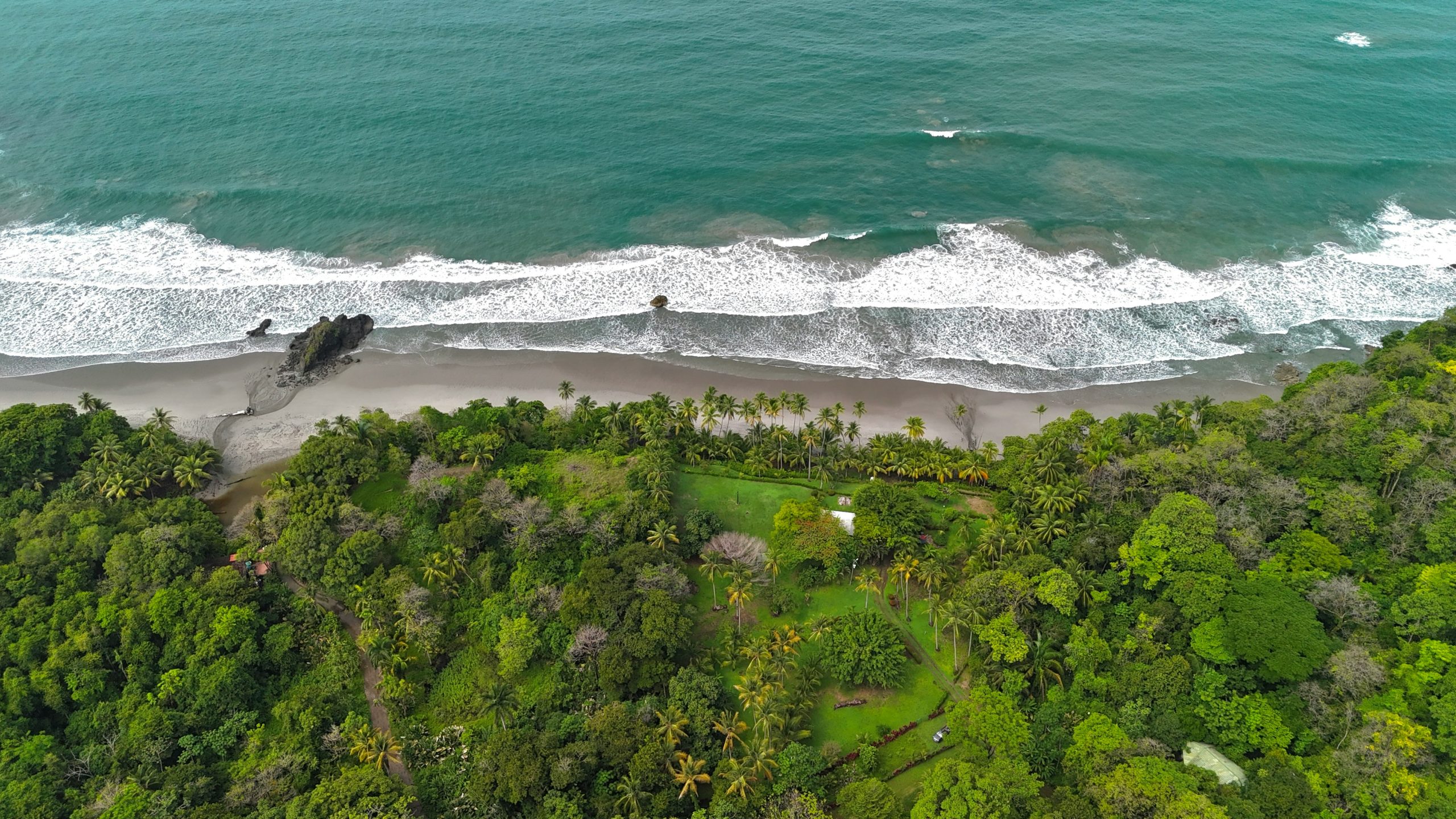
Costa Rica Travel Guide: What to Know Before You Go
Costa Rica Travel Guide: What to Know Before You Go
Costa Rica delivers what most tropical destinations only promise: wildlife you’ll actually see, rainforest that feels wild rather than manicured, and a tourism infrastructure that makes independent travel straightforward without sanitizing the experience. It’s also a country where a three-week trip genuinely requires choosing between regions, where mountain roads and single-lane bridges turn a 100-mile drive into a four-hour one, and where “adventure travel” means something beyond zip lines and ATV tours.
We’re not going to try to cover every corner of the country in one post. Instead, we’re breaking down three regions we send clients to most often: Arenal, Manuel Antonio, and the Osa Peninsula. Each one delivers a genuinely different trip, and understanding the differences is the first step to building an itinerary that doesn’t waste half your vacation in a rental car.
Three Regions, Three Different Trips
Costa Rica is roughly the size of West Virginia, but don’t let the small footprint fool you. Most first-time visitors try to see everything and end up spending their vacation in transit. The smarter move is picking one or two regions that match what you actually want from the trip, then exploring those properly.
Arenal and the Northern Highlands
Arenal delivers the classic Costa Rica experience: a photogenic volcano, hot springs fed by geothermal activity, and accessible rainforest without the logistical complexity of more remote regions. The town of La Fortuna serves as the base for most visitors, with everything from budget hostels to some of the country’s best boutique lodges nearby. Nayara Springs and Tabacon Thermal Resort sit at the high end, with private hot spring pools and volcano views that justify the rates. Arenal Kioro and Hotel Lomas del Volcán offer similar access at mid-range prices.
Arenal works well if you want variety without constant movement. Hike Arenal Volcano National Park in the morning, soak in hot springs in the afternoon, and go looking for red-eyed tree frogs on a night walk after dinner. The La Fortuna waterfall is a 500-step descent that’s worth the climb back up. Hanging bridges and canyoneering round out the activity list. If white-water rafting is on your list, know that the Pacuare River (Costa Rica’s best-known rafting run) is a separate excursion, not a quick add-on from La Fortuna; it’s several hours away and usually makes more sense as its own day or overnight. For rafting closer to Arenal, Río Balsa or Río Sarapiquí are the local options.
Best for:
- First-time visitors wanting a well-rounded introduction
- Couples seeking hot springs and boutique lodges
- Families with kids old enough for light adventure
- Travelers who prefer a single base over constant movement
Manuel Antonio and the Central Pacific
Manuel Antonio National Park packs beaches, wildlife, and hiking into the country’s smallest national park. It’s one of the more reliable spots in the country for wildlife sightings: white-faced capuchins, two-toed sloths, and scarlet macaws all show up regularly, though nothing in the wild is ever a guarantee. The beaches inside the park rank among Costa Rica’s best, with calm water and soft sand that feels out of place in a protected rainforest.
The town outside the park has grown significantly, with hotels, restaurants, and tourist services lining the main road. This is Costa Rica at its most accessible, which cuts both ways. Arenas del Mar Beachfront and Rainforest Resort offers a sustainable luxury experience with two private beaches. Hotel Si Como No has held its reputation for mid-range value with wildlife-corridor grounds. Gaia Hotel and Reserve appeals to adults looking for quieter surroundings.
Manuel Antonio makes more sense as a two or three night stop than a week-long base. The park itself takes a full day. Add a morning for a guided mangrove wildlife tour and an afternoon on one of the public beaches outside the park, then move on.
Best for:
- Some of Costa Rica’s most accessible wildlife viewing
- Beach time combined with rainforest access
- Shorter trips or multi-stop itineraries
The Osa Peninsula and Southern Pacific
The Osa Peninsula holds roughly 2.5% of the world’s biodiversity in an area smaller than most national forests. Corcovado National Park is the draw: jaguar sightings happen, scarlet macaws fly overhead in pairs, and the rainforest feels genuinely wild in a way the more accessible parks can’t match. This is Costa Rica for travelers who’ve been before, or first-timers willing to trade convenience for immersion.
Getting to the Osa means either a small plane from San José or a full day of driving followed by a boat transfer. The lodges reflect that remoteness. Lapa Rios is the standard-bearer for Osa eco-lodges, with private bungalows overlooking the canopy and all-inclusive rates covering guided hikes. Copa de Arbol offers a more intimate setup with eight beachfront cabins. El Remanso Lodge balances accessibility with wilderness, mixing adventure activities with wildlife tours.
Plan on three nights minimum here. One night barely covers the travel time. Two allows a single day hike. Three lets you actually explore and gives wildlife more chances to show up.

Best for:
- Serious wildlife enthusiasts and birders
- Travelers who’d rather have immersion than convenience
- Return visitors looking for something deeper
- Couples celebrating at high-end eco-lodges
When to Go: Dry Season vs. Green Season
Costa Rica’s seasons matter more for pricing and crowds than for whether you’ll have a good trip. Dry season runs roughly December through April, with February and March the driest stretch. Green season, a more honest name than “rainy season,” covers May through November.
Dry season means reliably sunny mornings and minimal rain. It also means peak prices, fuller national parks, and the need to book properties like Nayara Springs months out. If you want dependable beach weather and don’t mind paying for it, this is your window.
Green season brings afternoon rain showers that usually clear within a few hours, though this varies more by coast and region than a single blanket rule suggests; the Pacific side and Caribbean side don’t always follow the same pattern. Mornings typically stay clear. The forest is lusher, waterfalls run fuller, and lodge rates drop 20 to 40%. The tradeoff is unpredictability: some days the rain starts early, some weeks it barely rains at all.
May, June, and early December often hit the best balance: thinner crowds, moderate prices, and reasonably cooperative weather. September and October are the wettest months for most of the country and test patience, but reward with the lowest rates and emptiest trails.
Getting Around Costa Rica
Transportation shapes a Costa Rica trip more than most visitors expect. The country’s size suggests easy driving, but mountain roads, unpaved stretches, and river crossings mean published drive times rarely match reality. As a rule of thumb, we tell clients to budget extra time beyond what Google Maps suggests for any route through the mountains or out to the Osa.
Rental cars offer the most flexibility and work well for itineraries covering multiple regions. Book through established agencies like Adobe or Vamos, which include mandatory insurance in their quotes instead of surprising you at the counter. A high-clearance vehicle, and sometimes 4WD, is worth having for the Nicoya Peninsula, the Osa, and several routes to popular lodges, though the exact need depends on the property and the season; it’s worth confirming with your lodge before booking. If you’re not planning to backtrack to the same airport, weigh a one-way rental fee or a domestic flight against the hours you’d spend driving back.
Shared shuttles connect major tourist destinations at reasonable rates. Interbus and Grayline run scheduled routes between San José, Arenal, Manuel Antonio, Monteverde, and beach towns, generally $50 to $80 per person shared or $150 to $250 private. The tradeoff is a fixed schedule and less room for side trips.
Domestic flights save entire vacation days for the Osa or itineraries spanning distant regions. Sansa and Green Airways fly small planes from San José to Quepos (Manuel Antonio), Drake Bay and Puerto Jiménez (the Osa), and several Nicoya destinations, usually $100 to $180 each way and 30 to 45 minutes versus five-plus hours of driving. On a 10-day trip covering Arenal and the Osa, a flight can save you two full days.
Where to Stay
Costa Rica’s lodge culture means where you sleep often shapes the trip as much as which region you visit. The best properties put wildlife on the grounds and guides who know the trails a few steps from your door.
Luxury and high-end eco-lodges: Nayara Springs near Arenal sets the standard for volcano-area luxury, with private villas, personal hot spring pools, and forest views. Rates start around $800 a night including breakfast, and the adult-only property draws honeymooners and anniversary travelers. Lapa Rios on the Osa offers all-inclusive immersion in one of the world’s most biodiverse corners, around $600 to $900 a night including meals and guided activities. Arenas del Mar near Manuel Antonio pairs beachfront access with a rainforest setting and sustainable practices.
Mid-range: Arenal Kioro delivers volcano views and hot spring access at roughly half Nayara’s rates. Si Como No near Manuel Antonio keeps its family-friendly reputation with wildlife corridors that draw monkeys and toucans onto the property. Tiskita Jungle Lodge on the southern Osa offers off-grid immersion at more accessible prices than Lapa Rios.
Boutique and value: Hotel Lomas del Volcán near La Fortuna has volcano views and comfortable rooms in the $100 to $150 range. Bosque del Cabo on the Osa offers rustic-chic cabins with wildlife access well below full-service lodge rates. In Manuel Antonio, Hotel Costa Verde has kept its character (including a converted airplane suite) while offering standard rooms at moderate prices.

Getting There
Most international visitors fly into Juan Santamaría International Airport (SJO) near San José. Direct flights connect from major US hubs including Miami, Houston, Dallas, Los Angeles, and Atlanta; roughly three hours from Miami, six from Los Angeles. Booking four to eight weeks out typically yields the best fares, with prices climbing sharply for December and January travel.
Liberia’s Daniel Oduber Quirós International Airport (LIR) is worth considering for itineraries focused on northern Costa Rica, the Nicoya Peninsula, or Guanacaste beaches. Fewer routes serve Liberia, but arriving here cuts a couple hours off the drive to Arenal compared to flying into San José.
From San José, most travelers either pick up a rental car, arrange a shuttle to their first destination, or book a domestic flight to a remote region. Spending a night in San José only makes sense if your flight arrives late; otherwise, head straight to your first stop.
Practical Planning
Costa Rica uses the colón, but US dollars are widely accepted at tourist-oriented businesses. ATMs are common in towns and work with international debit cards. Credit cards are accepted at lodges and most restaurants, though small sodas and roadside stands often want cash.
Entry requirements vary by nationality, so it’s worth checking Costa Rica’s current guidance before you book. For US travelers: Costa Rican law technically only requires your passport to be valid through your stay, but airlines commonly enforce a six-month rule before they’ll let you board, so we recommend having at least six months of validity to avoid any issues at check-in. You’ll also need proof of onward or return travel; keep a copy of your itinerary handy, since immigration sometimes asks to see it.
Travel insurance is worth having for Costa Rica trips, particularly if adventure activities like white-water rafting or canyoneering are on the itinerary, since standard policies may not cover them.
Tap water is generally safe to drink in San José and established tourist areas. At remote lodges, ask the property directly whether they recommend filtered or bottled water.
Making the Most of Your Trip
The single most common mistake in Costa Rica planning is underestimating transit time. A one-night stay in any region rarely justifies the hours spent getting there. Build itineraries around two or three-night stays, and resist the urge to squeeze in “just one more stop.”
Early mornings matter for wildlife. Most animals are active from dawn until mid-morning, then again in late afternoon. Plan park visits and nature walks around that window, and leave midday for meals, transfers, or another soak in the hot springs.
When you’re comparing where to book, look past the nightly rate. A good advisor can secure upgrades and preferred rooms, coordinate transfers between regions, and step in if something goes sideways mid-trip, on top of knowing which lodges are worth the splurge and which routes look fine on a map but are miserable in a car. Some small independent lodges do have compelling direct-booking perks, which is exactly the kind of detail worth checking before you commit either way.
Build in slack. Costa Rica rewards spontaneity: the waterfall your driver mentions, the wildlife sighting that stretches a hike, the afternoon thunderstorm that turns into another hour at the hot springs. The best trips here feel a little unfinished, which just gives you a reason to come back.
Planning a Costa Rica trip? We can help you pick the right regions for what you actually want, compare lodges against your budget, and build a route that doesn’t burn a day of your vacation in a rental car.
Frequently Asked Questions
How many days do you need in Costa Rica? Ten to fourteen days lets you comfortably cover two regions, like Arenal and Manuel Antonio, without feeling rushed. A week is enough for one region done well. Anything under a week is best spent focused on a single base.
Is a rental car necessary in Costa Rica? Not always. A car makes sense if you’re covering multiple regions and want flexibility, but shared shuttles and domestic flights can be more relaxing and sometimes cheaper once you factor in insurance and gas.
What’s the best region for first-time visitors? Arenal is the easiest introduction: one base, a wide mix of activities, and less logistical complexity than the Osa or a multi-region itinerary.
Do you need a visa to visit Costa Rica? Most US, Canadian, and EU travelers don’t need a visa for short tourist stays, but requirements vary by nationality and can change, so it’s worth confirming current guidance before you book.