Bhutan: 6-Day Sample Itinerary
This is a planning example, not a record of a trip we personally took. We can tailor the timing, hotel choices, and activities to your dates and interests.
At a glance
- Destination
- Bhutan
- Duration
- 6 days
- Travel style
- Himalayan culture, hiking, luxury lodges
Bhutan is a destination where the drive between valleys deserves as much attention as the famous sights. Six days can introduce the country without exhausting travelers, but only if the route stays compact. I would focus on Paro, Thimphu and Punakha, give Tiger’s Nest a dedicated day, and resist the temptation to squeeze another remote valley into the same trip.
This sample suits travelers who value culture, mountain scenery and thoughtful guiding over a schedule packed with photo stops. It assumes five hotel nights and a flight through Paro. A local guide and driver make the rhythm much easier to manage, especially around religious sites and roads where travel time is not comparable with a major city.
Choosing a route that works
Spend one night in Thimphu after arriving in Paro, two nights in Punakha, then two nights in Paro before departure. You gain a capital-city perspective, time to understand Punakha’s historic setting and a restful final base for the most demanding walk. It is a real five-night sequence, not six days of unrelated excursions.
The day order is adjustable if you arrive late, a festival affects access or a guest does not wish to hike. Mountain travel is best arranged locally, and I would not build tight international connections around an unbuffered last-minute road crossing. Ask the operator to confirm which temples, museums and villages can be visited on your precise dates.
Day-by-day itinerary
Day 1: Arrival in Paro and on to Thimphu
After landing, meet the driver and guide and take the road toward Thimphu. If the flight and weather cooperate, a gentle city viewpoint or craft-oriented stop is enough. The point of this afternoon is to settle in and learn how the days will work, not to race through four monuments after an international flight. Keep dinner near the hotel and leave time for the altitude and travel fatigue.
Why this day works: Thimphu is your first night’s base, so a delayed arrival does not force another long transfer. If arrival is very late, reverse the first night with Paro rather than treating the itinerary as immovable.
Day 2: Thimphu and the road to Punakha
Use the morning for a meaningful visit in Thimphu, such as traditional arts, a cultural institution or the Buddha Dordenma viewpoint. Continue toward Punakha later, pausing at Dochula Pass if visibility and conditions make it worthwhile. The mountain road is part of the day, with changing scenery and the possibility of slow sections. Settle into the next hotel without adding a large evening commitment.
Why this day works: The drive should not be treated as dead time to be minimized at all costs. A thoughtful stop is better than arriving after dark because you attempted every site in the capital.
Day 3: Punakha Dzong and valley life
Give Punakha a full day. Punakha Dzong is the main architectural anchor, set where two rivers meet, but it is worth leaving time for the surrounding valley rather than only seeing the building. With your guide, choose a village walk, small cultural stop or a relaxed riverside activity suitable for the group’s interests. I’d favor one deeper conversation or experience over an extra hour in the vehicle.
Why this day works: Religious sites may impose dress, photography and entry limits, especially during ceremonies. Ask your guide to confirm expectations and any changes to visitor access.
Day 4: Return to the Paro Valley
Begin the return drive to Paro with a generous buffer. If everyone has the energy when you arrive, see the town or choose an appropriate museum or cultural stop. Otherwise, enjoy the hotel and get ready for the following day’s hike. This is a good night to check shoes, clothing, water and the pace that different members of the group can manage.
Why this day works: Returning to Paro now, rather than on your flight day, makes the last two days considerably less stressful. The point of the schedule is reliability, not just covering distance.
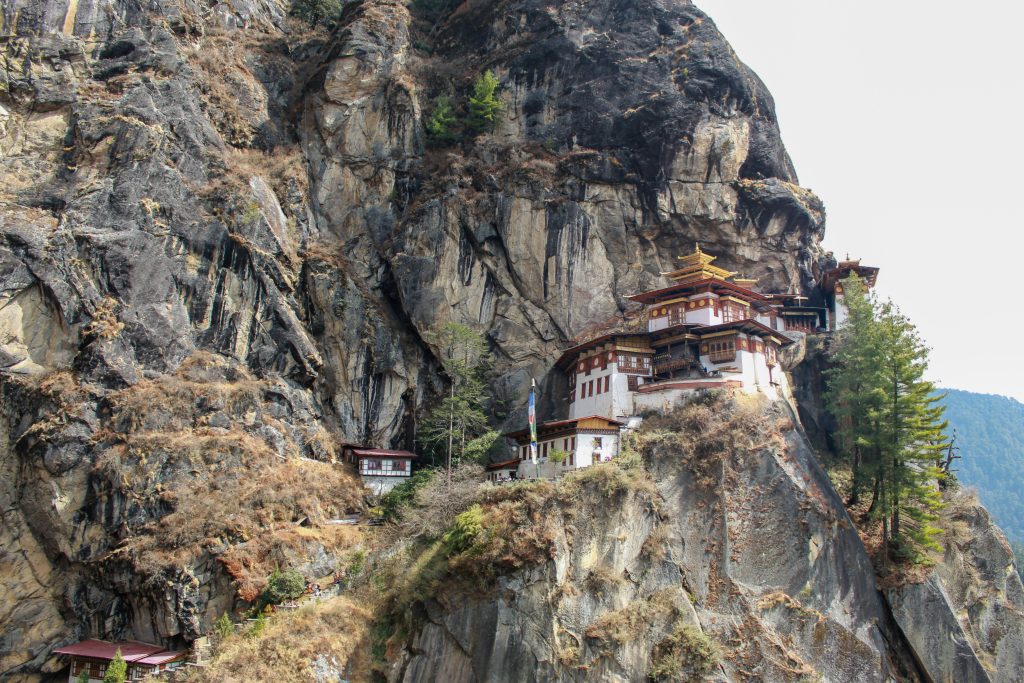
Day 5: Tiger’s Nest hike
Dedicate the day to Paro Taktsang, better known as Tiger’s Nest. This is a real mountain hike, with a long ascent and stair sections, rather than a roadside viewpoint. Start early enough to walk at a comfortable pace and let your guide judge the weather and route conditions. Travelers who don’t want the full ascent can discuss lower viewpoints and an alternate valley outing.
Why this day works: Keep the final overnight in Paro after the hike. I would not put this outing immediately before an international departure, and I would not sell the full climb as suitable for every fitness level.
Day 6: Departure from Paro
The final day is for checkout, breakfast and the departure flight. If the itinerary has already included Thimphu, Punakha and the main Paro hike, there is no need to manufacture one more attraction. Confirm airport reporting instructions and connecting flights in advance. Paro’s mountain setting and flight patterns make sensible buffers more important than a last-minute shopping stop.
Why this day works: If the flight schedule changes, retain flexibility rather than adding a complex transfer. This route has already offered a useful first introduction to Bhutan without constant hotel changes.
Where to stay
Hotels are most useful when matched to the valley. These three are examples across the route, not three substitutes in the same neighborhood. I’d compare the quality of local guiding, the planned drives and what the rate includes as carefully as the rooms.
- Six Senses Thimphu: A hillside retreat suited to travelers who enjoy a spacious luxury hotel after a journey. It offers a different experience from staying in the capital’s center, so consider how much time you want on property versus sightseeing.
- COMO Uma Punakha: An intimate valley base for the two Punakha nights. This is a strong candidate if the landscape, slower afternoons and personal guiding are priorities. Confirm which excursions and vehicle services are in the proposed rate.
- COMO Uma Paro: A Paro option for the last two nights, combining valley access with an established wellness and dining program. It can be a particularly welcome place to return after the Tiger’s Nest hike.
For a very high-end trip, a coordinated lodge-to-lodge program can be better than selecting three disconnected room deals. For a more moderate budget, I’d put more emphasis on a comfortable driver, skilled guide and good location. The exact room arrangement matters for families or travelers who cannot climb many stairs.
Food and dining along the route
A Bhutan itinerary also needs room for food that reflects where you are. Rather than assuming each stop has a wide choice of independently bookable restaurants, I’d use the guide to plan a mix of lodge dining and a locally hosted meal when appropriate.
- Bukhari at COMO Uma Paro: The resort’s official dining page describes a seasonal approach and Bhutanese influences. A suitable relaxed evening if you are staying in Paro, subject to current service and reservations.
- Jangkho at Six Senses Paro: The hotel dining program is another option for a special Paro meal. Ask whether outside guests are accepted and whether it makes sense for the planned route.
- Locally arranged farmhouse meal: A reputable Bhutanese operator may be able to arrange a meal in a traditional setting. This is an opportunity to ask about local dishes and cooking, but the specific host, menu and permission need confirmation before it is advertised as booked.
What to arrange before traveling
Bhutan is unusually sensitive to the exact order of reservations. I’d verify travel authorization and the ground plan before buying flights that cannot be changed. These are the items worth sorting out early.
- Entry permissions and fees: Bhutan Tourism’s visa page explains entry requirements and the Sustainable Development Fee. The official guidance in October 2026 lists US$100 per adult per night for most international visitors and a separate visa application fee. Confirm nationality-specific rules when applying.
- Local driver and guide: Have a reputable provider confirm the real schedule, any road restrictions and respectful behavior at religious sites. Private self-drive is not the normal model for this route.
- Hiking readiness: Bring grippy shoes, water, layers and a rain option for the Taktsang day. The hike is substantial, and an appropriate alternate plan is more useful than pressuring everyone to reach the top.
- Weather and flights: Spring and autumn are popular travel periods, but mountain visibility is not guaranteed. Treat a clear Himalayan panorama as a possibility, not a promised inclusion in the tour price.
Ways to make it your own
- Less active travelers: Substitute a lower viewpoint and additional valley or cultural visit for the full hike. An enjoyable Bhutan trip is not dependent on reaching a particular staircase.
- Culture-first travelers: Coordinate visits around a festival, arts or traditional crafts where access is appropriate, even if that means skipping one viewpoint.
- Luxury-focused travelers: Choose a cohesive hotel-and-ground package, checking included meals, guides and transport rather than comparing room prices alone.
Frequently asked planning questions
Do I need a guide for this route?
For a six-day cross-valley introduction, I’d use a local driver and guide even apart from regulatory considerations. They can manage practical access, explain cultural context and adjust days when conditions change.
Is six days enough to hike Tiger’s Nest?
Yes, provided you give the hike its own day and stay in Paro afterward. The ascent still depends on fitness, conditions and a realistic expectation about the time involved.
Should I skip Punakha to slow the trip down?
If you want one hotel and very little driving, yes, an extended Paro and Thimphu stay may be better. Punakha earns its place when you want a different landscape and are comfortable with the valley transfer.
From example to booked trip
This example shows one feasible first route, not a journey Atlas Road Travel claims to have personally taken. We can help find suitable lodging, compare operators, clarify the arrival requirements and shape the pace around your interests. I would settle those decisions before committing to a nonrefundable flight.
Get the complete itinerary
We will email you a printable PDF and an editable Word document, with planning notes, lodging guidance, and booking priorities. No automated follow-ups or sales sequence. Just reply if you want help planning your trip.