Iceland in winter: 7-Day Sample Itinerary
This is a planning example, not a record of a trip we personally took. We can tailor the timing, hotel choices, and activities to your dates and interests.
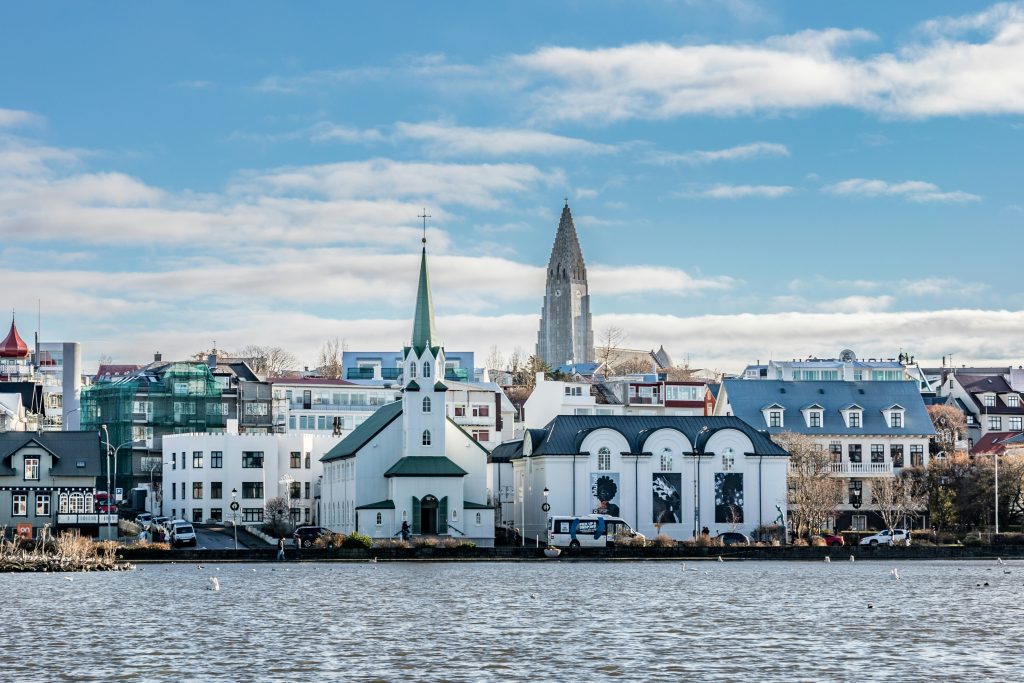
At a glance
- Destination
- Iceland
- Duration
- 7 days
- Travel style
- Winter road travel, lagoons, nature
Seven days in Iceland in winter are better spent in the southwest and South Coast than trying to drive the entire Ring Road. The weather, limited daylight and changeable road surfaces make a compact route more rewarding and safer. I’d plan Reykjavík, the Golden Circle and a carefully chosen South Coast outing, with a real buffer day rather than an impossible list of waterfalls.
This sample is for travelers who want geothermal scenery, museums, dramatic landscapes and a possible northern lights evening. No one can promise an aurora display, safe ice-cave conditions or unrestricted access to volcanic areas on a given date. The trip should still be enjoyable if the sky is cloudy for every night of the visit.
Route and lodging plan
Spend two nights in Reykjavík, two nights around Hella or Hvolsvöllur and two more in Reykjavík or close enough for a comfortable airport transfer. That is six nights for seven days. Reusing the Reykjavík hotel is practical because you already know its location and can leave city sightseeing for the weather-sensitive days.
A rental car only makes sense if you feel comfortable driving in winter conditions and can change plans. Otherwise, a private driver or a combination of guided city-based outings can cover many of the same highlights without shifting the driving risk to you.
Day-by-day itinerary
Day 1: Arrival and Reykjavik
After landing at Keflavik, go directly to your hotel in Reykjavík. A short walk around the harbor, Hallgrímskirkja or central streets is enough for an arrival day, especially after an overnight flight. Enjoy a café or an easy dinner without committing to a long excursion. The important choice is not to drive across the island before you have rested and checked the weather.
Planning note: Keep this first night in Reykjavík. You can adjust tomorrow’s sightseeing if a winter storm or delayed flight changes the plan.
Day 2: City culture and a possible aurora evening
Give Reykjavík a proper day with one museum, a waterfront walk and time in a warm café. A geothermal pool can fit if its admission and your transport are arranged. Northern lights are an optional evening activity when the weather and sky cooperate, not a promised part of the tour. If it is cloudy, choose a relaxed dinner and leave another night available.
Planning note: A guided aurora outing may be better than independently driving unfamiliar icy roads at night. The lights never follow a guaranteed schedule.
Day 3: Golden Circle and the move south
Travel toward Þingvellir, the Geysir geothermal area and Gullfoss, checking conditions before each major road segment. Continue to a hotel near Hella or Hvolsvöllur for the next two nights. This is a full day combining attractions and a change of base, so resist adding several small stops that turn a beautiful route into a race against darkness.
Planning note: If severe weather is forecast, change the order of activities or remain in Reykjavík until driving becomes sensible. Safety is more important than a nonrefundable photo stop.
Day 4: South Coast toward Vik
From the rural hotel, choose a South Coast day around Seljalandsfoss, Skógafoss and the area near Vík where access and conditions permit. Waterfall paths can be coated in ice, while black-sand beaches can have dangerous sneaker waves even when the weather looks calm. A professionally guided glacier activity is an alternative for travelers wanting more adventure, but it should replace another stop rather than extend an already long day.
Planning note: Return to the same rural hotel for the evening. Don’t assume driving farther east to Jökulsárlón is a sensible addition to a short winter trip.
Day 5: Return to Reykjavik with a buffer
Travel back toward Reykjavík, using the day to revisit a stop you missed if weather is calm. If the forecast is poor, make the journey itself the priority rather than add a long detour. Consider a geothermal experience near the route only when the current operational and volcanic-safety notices permit it. Check into a familiar city hotel or another airport-convenient property.
Planning note: This is your flexibility day. A plan that can absorb snow or road closures is more valuable than one packed with reservation times.
Day 6: A flexible city or Reykjanes day
Choose one more Reykjavík cultural experience, a guided food outing or a safe visit to the Reykjanes peninsula based on current conditions. Volcanic activity can restrict particular areas, so only follow official access advice. Use the later afternoon to enjoy a good meal and pack without hurrying. An alternative indoor day is not wasted time when the outdoors is inhospitable.
Planning note: Staying near Reykjavík before departure reduces the chance that a distant hotel and winter road delay will disrupt your flight.
Day 7: Keflavik departure
Keep the departure day focused on reaching Keflavík Airport with generous time for weather, airport check-in and luggage. An early flight is not a suitable time for one last coastal stop. A comfortable transfer makes a better ending than racing the final stretch of highway after sunrise.
Planning note: When planning a winter itinerary, book international flights first, then choose the final hotel and transport around the real departure time.
Where to stay
The city hotel should be somewhere you’ll enjoy returning to on foot. A rural hotel needs reliable dining and easy access from major roads because venturing far for dinner on a stormy night is not appealing.
- Hotel Borg, Reykjavík: A classic central hotel for travelers who want downtown walks and convenient restaurants after a full day outside. Compare room orientation and the transfer to your planned tour pickup point.
- Hotel Rangá, South Iceland: A countryside retreat near Hella that can make the rural nights part of the experience. Consider its dining and sky-watching appeal without treating northern lights as guaranteed.
- Fosshotel Reykjavík: A larger city alternative for groups who prefer established amenities and straightforward services. Check walkability to the neighborhoods you want to explore.
If weather makes the rural portion uncertain, I’d consider a more Reykjavík-based version and book guided day trips only when operators can confirm a responsible route.
Dining and warm stops
Don’t plan meals as a series of distant restaurant detours. In winter I’d prioritize a good breakfast, a warm lunch on longer outings and dinner close to the hotel, especially on rural nights.
- Sandholt: A useful Reykjavík bakery and café candidate for breakfast or a city break. Confirm hours for your dates.
- Grillmarkaðurinn: Consider it for a more deliberate Reykjavík dinner, with a reservation if the current menu and occasion fit.
- Hotel Rangá dining: If staying here, an on-property dinner may be preferable to another icy drive at night.
- Lunch near Vík: Choose a café or restaurant operating on the day, and stay flexible if weather changes your South Coast timetable.
Winter logistics to settle before departure
- Roads: Check Iceland’s official road conditions before significant drives and recheck during rapidly changing weather. An open road may still be icy.
- Weather: The Icelandic Met Office provides warnings, forecasts and aurora information; visibility and high winds matter as much as temperature.
- Safety: SafeTravel explains the importance of winter tires, extra braking distance and postponing journeys when needed. Four-wheel drive is no substitute for judgment.
- Coastal beaches: Maintain distance from the water on black-sand beaches and obey warning signs. Dangerous waves can arrive suddenly.
- Glacier activities: Use suitably qualified guides and equipment; do not independently enter ice caves or glacier terrain.
- Reykjanes access: Eruption-related restrictions can affect roads, hiking areas and geothermal attractions. Verify current official instructions before heading there.
Ways to make the trip yours
- Photography-focused: Keep two or three flexible evenings for aurora possibilities and favor guided access to scenic locations instead of long unsupervised night drives.
- Families: Include geothermal pools and museums to offset cold outdoor activities, with shorter stops and fewer hotel changes.
- Adventure-minded: Add a guided ice-cave or glacier experience only when its season, conditions and access are verified; replace something else to create the time.
Questions worth asking
Can I drive the complete Ring Road in seven winter days?
It is physically possible for some travelers in favorable conditions, but I would not recommend it as this sample itinerary. Too much time goes to driving, with little flexibility if a storm closes a road.
Will we see the northern lights?
Maybe, but cloud cover and solar activity can keep the sky dark or hidden. Choose other activities you genuinely enjoy and treat a sighting as an extra.
Do we need a rental car?
Not automatically. Travelers unfamiliar with snow or ice can use escorted excursions and private transfers. Compare the cost against the greater flexibility and responsibility of self-driving.
Make it a real journey
This is a useful planning example, not a claim that Atlas Road Travel personally completed this exact winter circuit. We can help compare dates, lodging, transport and guided outings once your flight times and comfort with winter travel are clear.
Get the complete itinerary
We will email you a printable PDF and an editable Word document, with planning notes, lodging guidance, and booking priorities. No automated follow-ups or sales sequence. Just reply if you want help planning your trip.
One delivery email for this request. We will not subscribe you to a newsletter without separate permission. Privacy policy
Need help making this a real trip? Atlas Road Travel can help plan it, with no planning fee for eligible bookings.