Morocco cities and Atlas: 9-Day Sample Itinerary
This is a planning example, not a record of a trip we personally took. We can tailor the timing, hotel choices, and activities to your dates and interests.
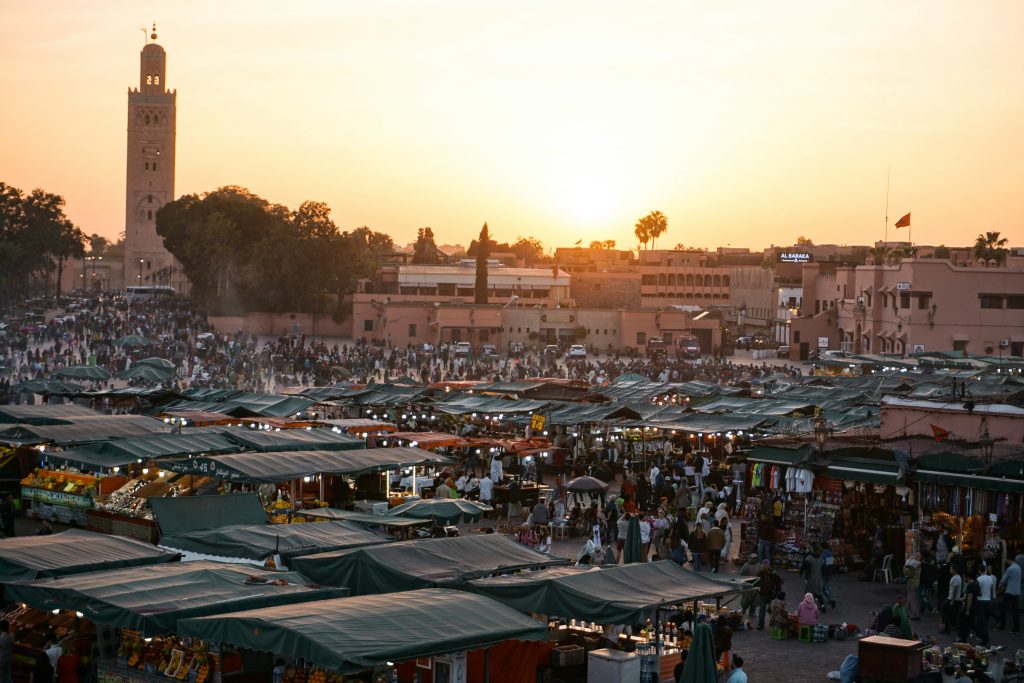
At a glance
- Destination
- Morocco
- Duration
- 9 days
- Travel style
- Culture, food, markets, mountain lodges
Morocco rewards travelers who let its cities feel different rather than collecting medinas at high speed. Nine days can combine Casablanca, the artistry and layered history of Fes, the energy of Marrakech, and a few quieter nights in the Atlas Mountains. The journey between these places is significant, so I’d build the route around a realistic sequence instead of trying to do too much at every stop.
My preferred version uses one night in Casablanca, two in Fes, three in Marrakech, and two in the High Atlas. That totals eight nights across nine days. It’s a busy but satisfying introduction for culture-minded travelers who want markets, food, architecture, and mountain scenery without adding the Sahara Desert as another major destination.
How to spend nine days in Morocco
The order matters. Start where your international flight arrives, move east to Fes, then travel south to Marrakech before retreating into the mountains. Casablanca is a convenient arrival gateway, not the place to spend half the week unless its architecture and museums particularly interest you. You can also reverse the journey to fit available flights.
Day 1: Arrive in Casablanca
Meet your arranged transfer, check into your hotel and keep the afternoon flexible. If your arrival time permits, a visit around the exterior of Hassan II Mosque and the Atlantic waterfront makes a memorable introduction. Entry into the mosque is governed by an official visitor tour schedule, so don’t assume you can simply enter at any time or interrupt prayer.
Why this works: Starting with a low-pressure evening allows for a delayed flight without compromising the more important Fes and Marrakech days.
Day 2: Travel to Fes and get your bearings
Choose rail or an arranged road transfer to Fes. Morocco’s national rail company ONCF publishes timetables and tickets, making it possible to compare routes before committing. Remember that a station-to-station journey is only part of the travel day when your hotel is inside or near the medina.
After checking in, take a short guided walk or enjoy your riad. Fes’s medina is a place to experience patiently, not a maze you need to conquer on your first evening. A relaxed dinner and time on a rooftop terrace are enough after the journey.
Day 3: Fes medina, artisans and the city’s layered history
Spend a substantial day with a reputable local guide in Fes el Bali. The historic lanes, madrasas, traditional crafts and markets make more sense when someone explains how the city developed and how artisans work today. Choose a manageable selection of interiors and neighborhoods rather than chasing every pin on a map.
I’d be thoughtful around workshops: ask permission before photographing people, be cautious of demonstrations tied to aggressive sales pressure, and focus on learning about the work instead of treating the medina as a shopping obstacle course. Leave time for a proper lunch, a quiet break and a good final evening in the city.
Day 4: Travel from Fes to Marrakech
This is a significant travel day. The rail journey typically involves several hours, and a private car is not automatically quicker after traffic and rest stops. Book your transport for your actual date and plan your Marrakech hotel transfer carefully, particularly if the riad is down a pedestrian lane.
Once checked in, keep the evening simple. A first look at Jemaa el-Fnaa and the nearby streets can be exciting, but the market’s busiest corners aren’t a reason to push through crowds when everyone is tired. Have dinner somewhere comfortable and save the serious sightseeing for tomorrow.
Day 5: Marrakech medina, palaces and gardens
Use a local guide to explore selected historic quarters, courtyards and architectural highlights. Bahia Palace is a logical possibility, depending on current access, while the souks are best enjoyed with time to browse and a realistic understanding of bargaining customs. Don’t schedule every palace, museum and market in the city for one afternoon.
I’d build in a long lunch or return to the hotel for a pause. Marrakech can be exhilarating, but the best memories often come from having the time to notice the details rather than marching between attractions.
Day 6: Gardens, craft traditions or a slower Marrakech day
Spend your second full day doing something different from the medina walking tour. That might mean visiting a garden and museum, arranging a hands-on cooking experience or booking time in a hammam. The popular Jardin Majorelle uses an official ticketing system and may require planning ahead during busy periods.
There’s also a strong argument for leaving a few hours unscheduled. If you’ve found a café, shop or small museum you liked yesterday, today gives you the freedom to return. A good itinerary doesn’t need a separate ticket for every hour.
Day 7: Leave the city for the High Atlas Mountains
Travel south toward your mountain lodge, taking time to enjoy the changing scenery. The exact transfer depends heavily on your property, road conditions and weather, particularly in winter. If your lodge offers an included pickup or recommends a local driver, that may be much simpler than renting a car.
I’d plan the afternoon around the hotel, a gentle walk and dinner, not a demanding hike immediately after the transfer. The mountain setting is part of the experience, and giving yourself a chance to enjoy it is the whole reason to stay two nights.
Day 8: A guided mountain walk and time at the lodge
Choose a walk appropriate to the weather, the group’s fitness and the altitude. A qualified local mountain guide can help select suitable paths and explain the landscape and communities without turning the day into an endurance challenge. If the weather is poor, a cultural experience or a spa afternoon may be a much better alternative.
Approach village visits with respect. Homes and family life are not open attractions by default; use locally led experiences that welcome guests and make the benefit to the community clear.
Day 9: Return to Marrakech and depart
Allow a substantial buffer for the return journey from the mountains to Marrakech airport. If your international flight leaves early, I would alter the plan and spend the final night closer to the city instead of relying on a tight dawn transfer from a remote lodge.
Where I’d stay along the route
This trip moves between four very different places, so the best hotel choice changes with the location. Casablanca calls for a convenient arrival hotel; Fes benefits from a comfortable riad or medina-edge property; Marrakech can be an indulgent city stay; and the Atlas lodging should feel like a destination in its own right.
- Royal Mansour Casablanca: A refined Art Deco-inspired city hotel near the historic center. I’d consider it for a comfortable first night when you’d like the hotel to feel special but don’t want a complicated transfer after arrival.
- Palais Faraj Suites & Spa, Fes: A restored palace near the medina with views and a sense of historic atmosphere. This is a good option for travelers who want easy guided access while returning to a calm base.
- Royal Mansour Marrakech: An exceptional luxury riad-style experience with beautiful gardens and dining. I’d investigate it for a special occasion when the property itself is an important part of the trip, rather than assuming this level of lodging is essential for everyone.
- Kasbah Tamadot, High Atlas: A mountain retreat in the Asni area with dramatic scenery and an emphasis on local hospitality. Confirm the exact road transfer, what activities are offered for your season and whether the room category suits your group.
How I’d choose: Invest in the Fes guide and a good medina location, choose Marrakech lodging based on how much resort time you want, and make sure the mountain hotel justifies the journey. The four stays solve different problems and should not be compared on room size alone.
Restaurants worth planning around
Moroccan food is one of the pleasures of this route, and I’d deliberately mix traditional meals with a few different interpretations. Don’t reserve every lunch when you don’t yet know how long a guided medina visit will take.
- Dar Roumana, Fes: Seasonal Franco-Moroccan cooking in an intimate medina riad. The restaurant recommends advance reservations and can help visitors find their way in from a gate, which is especially useful on your first evening.
- L’Amandier at Palais Faraj, Fes: A refined choice associated with the hotel, with Moroccan and Mediterranean influences and views of the medina. Convenient when you’d like a memorable meal without navigating the city after a long day.
- Al Fassia, Marrakech: Known for traditional Moroccan dishes and a team with a longstanding commitment to women in hospitality. There are separate Guéliz and Aguedal restaurants, so choose the correct address when booking.
- Nomad, Marrakech: A contemporary restaurant in the medina near the spice square. It’s useful for a midday break between historic streets, though current table availability and rooftop seating should be checked.
- La Grande Table Marocaine, Marrakech: A special-occasion Moroccan dining experience within Royal Mansour. I’d reserve it for travelers who want an elaborate dinner rather than a casual post-souks meal.
Restaurant hours and menus change, and Ramadan can significantly change the rhythm of the day. A flexible schedule and advice from your hotel or guide are more useful than an inflexible restaurant checklist.
What I’d book and check before leaving
- Arrival and departure airports. Confirm that Casablanca-in and Marrakech-out flights work for your dates. A different routing could justify reversing the whole itinerary.
- The Fes-to-Marrakech transfer. Check ONCF train options and any road alternatives. This is not a short hop, and a late arrival should affect your dinner plans.
- Local guides and cultural visits. Choose guides who can add context at Fes and Marrakech, especially around religious buildings, craftsmanship and living medina neighborhoods.
- Atlas road and weather conditions. The mountains can be much cooler than the cities. Verify the lodge’s guidance for your travel season and build in flexibility for hikes.
- Medina luggage and arrival logistics. Many riads cannot be reached directly by car. Ask where the driver should stop and whether someone can assist with bags.
How I’d tailor this Morocco itinerary
For travelers who enjoy slow exploration: Remove Casablanca as a sightseeing stop and add a night in Fes or Marrakech. For serious architecture enthusiasts: Spend more time in medinas and reduce the number of optional shops. For food-focused travelers: Add a guided cooking experience and allow time for a long meal. For active travelers: Expand the Atlas stay or plan more mountain walks based on real conditions rather than squeezing in a Sahara detour.
I’d avoid adding the Sahara to this exact nine-day trip. A true desert experience involves substantial travel and deserves its own additional nights instead of appearing as one more stop on the way between cities.
Common questions about nine days in Morocco
Is this route too busy for nine days?
It’s a full itinerary, but the four bases have distinct reasons to be included. If changing hotels is stressful for your group, I’d simplify it to Fes and Marrakech with one mountain excursion rather than forcing every destination into the week.
Do I need a car for this Morocco trip?
Not necessarily. Rail travel can connect major cities, and an arranged mountain transfer is often easier than driving yourself. The best combination depends on hotels and how much flexibility you want between stops.
Can I visit mosques and religious sites as a tourist?
Access varies by site and whether you are a worshipper. The Hassan II Mosque offers scheduled visitor tours, while many other mosques in Morocco have access restrictions. Check the official policy and respect local religious practice.
Plan this trip with Atlas Road Travel
Use this guide to explore the route, hotel choices and experiences. For a trip tailored to your dates, interests and budget, ask Atlas Road Travel. Our trip planning is free.
Get the complete itinerary
We will email you a printable PDF and an editable Word document, with planning notes, lodging guidance, and booking priorities. No automated follow-ups or sales sequence. Just reply if you want help planning your trip.