Seattle and national parks: 5-Day Sample Itinerary
This is a planning example, not a record of a trip we personally took. We can tailor the timing, hotel choices, and activities to your dates and interests.
At a glance
- Destination
- United States
- Duration
- 5 days
- Travel style
- Active city/nature
Seattle and Washington’s national parks are an excellent combination, but five days is not enough to thoroughly explore both Mount Rainier and Olympic National Parks, plus every Seattle neighborhood. I’d use Seattle as the starting point, give the Olympic Peninsula two nights, and make Mount Rainier an optional full-day excursion that replaces a Seattle day rather than appearing as an effortless extra.
This example is especially useful for visitors who want a city introduction followed by mountains, forest and coastline. It’s designed for the late spring to early fall season, with the understanding that snow, wildfire impacts and temporary road closures can change the exact park activities. A rental car is helpful for the Olympic portion, though a fully escorted version may suit someone who doesn’t want to drive.
How to plan the route
Book two nights in Seattle and two nights around Port Angeles, the practical northern gateway for Olympic National Park. The route is four nights over five days. You will explore Seattle on arrival, choose a city or Mount Rainier day, cross toward Port Angeles, spend a full day in part of Olympic, and return for a flight from Sea-Tac Airport.
Don’t confuse Olympic’s distinct areas. Hurricane Ridge, the Hoh Rain Forest and the Pacific beaches have separate access roads; there is no road through the middle of the park. In this short visit I’d focus on Hurricane Ridge and Lake Crescent, leaving the far western coast or Hoh for a longer trip. If the return flight is early, move the last night toward the airport instead of counting on a long morning drive.
Day-by-day itinerary
Day 1: Arrive in Seattle and enjoy its waterfront
After arriving at Seattle-Tacoma International Airport, settle into your hotel and start with a walk around Pike Place Market or the downtown waterfront. A ferry ride is a possibility if arrival time and energy allow, but don’t use an overnight-flight afternoon for complicated reservations. I’d have a relaxed dinner around Belltown, the market or near the hotel and leave the day flexible. This is an introduction to Seattle, not a race to every viewpoint.
Planning note: Choose a central hotel for the first two nights, since walking and transit can be simpler than parking a car each time you leave the hotel.
Day 2: Seattle culture or a full Mount Rainier excursion
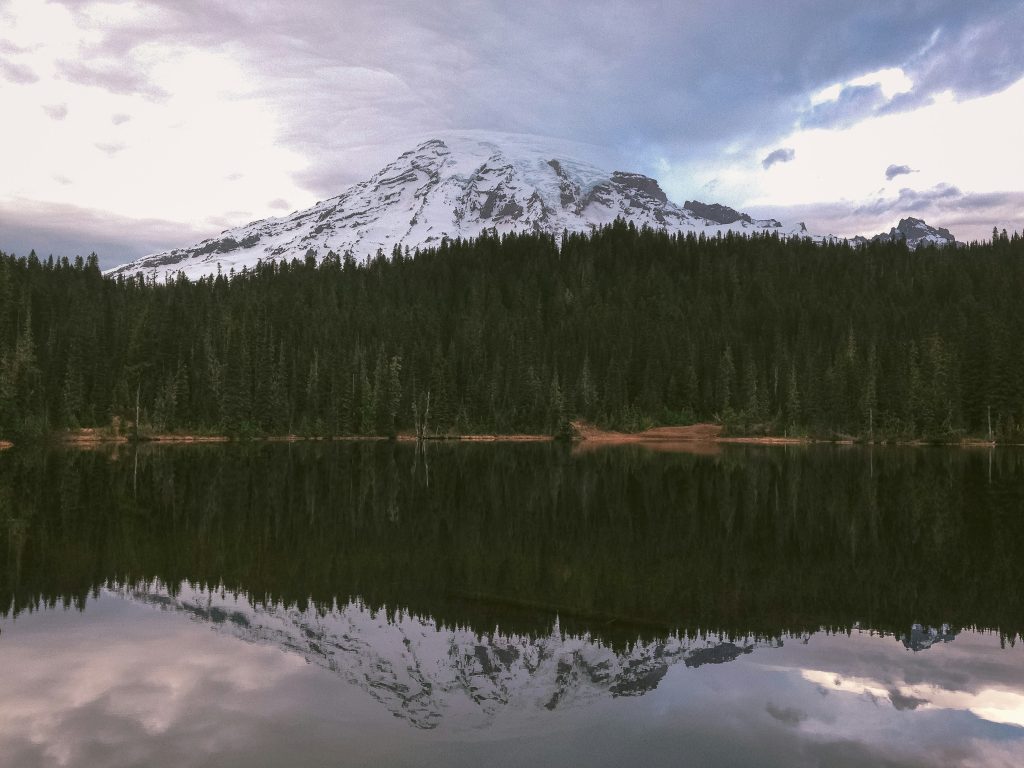
For the more relaxed version, spend the day at Seattle Center, a museum or a neighborhood walk with views of the Sound. If seeing two national parks is essential, replace that city day with an early guided or self-driven trip to Mount Rainier National Park, selecting a sensible area such as Paradise or Longmire according to seasonal road access. That is a complete outing and may involve entrance queues, mountain weather and several hours of driving.
Planning note: Mount Rainier did not require timed-entry reservations for 2026, but parking management and traffic queues still apply. Use the official park guidance for your travel year and do not schedule a second major attraction that night.
Day 3: Travel toward Port Angeles and Olympic
Leave Seattle for Port Angeles, using an appropriate ferry-and-road route or the all-road option depending on schedules and your rental vehicle. If you arrive in good time and the road is open, explore Hurricane Ridge with time for viewpoints and a modest walk. Otherwise, enjoy Port Angeles and save the mountain visit for tomorrow. There are no shortcuts through Olympic’s interior, so pay attention to where the day’s sights actually sit.
Planning note: Ferry boarding, holiday traffic and park entry can change the timing considerably. The Washington State Ferries site is the source for schedules and vehicle reservation rules.
Day 4: Hurricane Ridge and Lake Crescent at an enjoyable pace
Use the full day for the park areas closest to Port Angeles. If you didn’t reach Hurricane Ridge yesterday, begin there subject to official access, then continue toward Lake Crescent for lakeside scenery and a manageable trail or forest walk. If you already enjoyed the ridge, spend more time around Lake Crescent or the Sol Duc area. Take a packed lunch or stop in a town with services, rather than assume a restaurant is operating at every trailhead.
Planning note: The National Park Service warns of heavy parking delays at popular sites and no food service at Hurricane Ridge. Keep one primary mountain experience and one lower-elevation outing, not three distant regions in a day.
Day 5: Return to Sea-Tac and depart
Leave Port Angeles with a generous buffer for road traffic, ferry schedules if using them, rental-car return and airport check-in. A later flight makes this arrangement much easier. If departure is early, change the fourth night’s lodging to the airport region or add an extra night to the overall trip. You will have seen Seattle plus meaningful Olympic landscapes, and perhaps Mount Rainier if you deliberately chose the faster-paced version.
Planning note: This is a transfer day rather than another park day. A scenic detour is not worth risking an international or long-distance flight.
Where to stay
I’d choose a central Seattle hotel for the first half, then an Olympic gateway base rather than one hotel in Seattle with repeated long-distance day trips. Each of these options serves a different purpose.
- The Edgewater Hotel, Seattle: A waterfront option near downtown attractions for travelers who want the Sound and city atmosphere to be part of their stay. Consider room orientation and the walk to the rest of your activities.
- Hotel Ändra, Seattle: A boutique Belltown alternative with convenient access to restaurants and Seattle’s center. It’s a useful comparison for those who prefer a smaller city property over a waterfront hotel.
- Olympic Lodge by Ayres, Port Angeles: A straightforward base for exploring the northern Olympic Peninsula. Its location is practical when you need an early start for Hurricane Ridge and Lake Crescent rather than a luxury resort experience.
- Lake Crescent Lodge: A nature-forward alternative if the lodge’s operating season and actual room availability match your dates. Staying at the lake changes the driving pattern and provides more evening time in the park setting.
For a first national-park trip, I’d favor reliable access and realistic driving over a long list of hotel amenities. Lake Crescent Lodge can be wonderful for a quieter stay, but choose Port Angeles if restaurants and flexible access to several roadheads matter more. If you’re taking a full Mount Rainier excursion, keep the Seattle hotel for that night instead of adding another check-in.
Meals and dining stops
Seattle has excellent dining, while Port Angeles is more useful as a simple base after hiking. I’d plan one special city meal and leave the mountain days flexible so lunch follows conditions rather than a fixed reservation.
- The Pink Door, Seattle: A downtown Italian restaurant option to consider after a Pike Place Market evening. It’s a deliberate reservation, not a reason to rush an arrival day.
- Canlis, Seattle: For travelers who want a more elaborate, special-occasion dinner. Make it the center of a Seattle evening rather than add it after a very long Mount Rainier drive.
- Pike Place Market: A casual choice with multiple vendors when travelers want different food or only a short lunch stop.
- Port Angeles dinner: Select a locally operated restaurant near your hotel based on current hours. After a full park day, a nearby meal is more useful than traveling another hour for a named restaurant.
- Park-day provisions: Carry water, snacks and a suitable lunch when heading to the ridge or more remote areas. Don’t rely on a food counter at the park entrance.
Transportation, reservations and safety
Your two biggest decisions are the actual season and the amount of driving you’re comfortable doing. A park trip should be planned around operating roads and trail conditions, not a list of photos from different months.
- Mount Rainier: NPS trip planning explains different park sectors. Mount Rainier had no timed-entry requirement in 2026, though a future year’s policy should be checked again.
- Olympic roads: Current road conditions are more important than a fixed itinerary. Hurricane Ridge access may close with snow or storms.
- Ferries: Washington State Ferries has route, schedule and booking information. A ferry isn’t always quicker than driving, especially with a car during busy periods.
- Hurricane Ridge facilities: Its day lodge burned in 2023, and services are limited. Prepare for limited food and restroom arrangements rather than assume a full visitor center.
- Hiking and safety: Follow wildlife distance rules, bring layers and plan for rapidly changing mountain conditions. Rangers may close trails for fire, wildlife or repair work.
- Return flight: Allow for long transfers from Port Angeles to Sea-Tac. An early morning departure is a reason to change hotels, not squeeze the same route into fewer hours.
How to tailor the itinerary
- More Seattle: Skip Mount Rainier and enjoy the city’s neighborhoods and ferries on Day 2, with a meaningful Olympic Peninsula stay afterward.
- Two-park travelers: Devote all of Day 2 to Mount Rainier and accept that Seattle city sightseeing will be limited. An added sixth day makes the balance much better.
- Hikers: Add at least two more nights to visit the Hoh Rain Forest or wild Pacific beaches, rather than adding both as hurried detours from Port Angeles.
Frequently asked questions
Can I visit Mount Rainier and Olympic in five days?
Yes, for selected highlights with a fair amount of driving. It is not enough for an in-depth visit to both. I’d recommend choosing one park as the focus or adding nights.
Does Olympic have one main scenic road?
No. Its various roadheads connect from the outer peninsula and do not cross the park’s interior. A Port Angeles base works for Hurricane Ridge and Lake Crescent, not every corner of Olympic.
Do I need to reserve the parks?
Entrance passes may be required, while particular reservations and shuttle rules change. The 2026 Mount Rainier park had no timed-entry reservations; always check park rules for the actual year and any camping or lodging bookings.
Turning this example into a trip
This is an original planning example, not a record of a trip Atlas Road Travel personally completed. We can help match a hotel and national park plan to your season, hiking interests and actual flights without overscheduling the road days.
Get the complete itinerary
We will email you a printable PDF and an editable Word document, with planning notes, lodging guidance, and booking priorities. No automated follow-ups or sales sequence. Just reply if you want help planning your trip.