Switzerland: 14-Day Sample Itinerary
This is a planning example, not a record of a trip we personally took. We can tailor the timing, hotel choices, and activities to your dates and interests.
At a glance
- Destination
- Switzerland
- Duration
- 14 days
- Travel style
- Rail, cities, Alps, food
Fourteen days in Switzerland gives you time to enjoy its cities and mountains without rushing from one famous viewpoint to the next. This route links Zürich, Lucerne, Zermatt and Geneva, using the country’s excellent rail network to make the journeys part of the experience rather than something to endure.
I’d spend two nights in Zürich, three in Lucerne, four in Zermatt and four in Geneva. That’s thirteen nights across fourteen days, with enough room for weather changes and time to slow down in the Alps. It is an excellent choice for first-time visitors who enjoy culture, mountain scenery and comfortable travel, but it isn’t a plan to visit every Swiss resort in a fortnight.
How to spend fourteen days in Switzerland
This itinerary is easiest by train. The Swiss Federal Railways timetable lets you compare connections and choose appropriate transfers. I’d consider an arrival into Zürich and a departure from Geneva to avoid reversing the route. The mountains require extra flexibility because cable cars, hiking trails and scenic railways change operations by season and weather.
Day 1: Arrive in Zürich and explore the old town
After arrival, transfer to your hotel and take an easy walk around the Limmat, the old town and selected lakeside streets. Keep museum tickets off the first day’s schedule in case your flight or train arrives late. A simple Swiss dinner near the hotel is enough of an introduction.
Day 2: Zürich’s neighborhoods, art and lakefront
Choose a significant museum, such as Kunsthaus Zürich, then explore the old town and lakeside at an unhurried pace. If weather is pleasant, enjoy a walk along the lake; if not, make the museum the main event. I’d save a full excursion outside Zürich for a longer city stay.
Day 3: Train to Lucerne and enjoy the waterfront
Travel to Lucerne and check into your lakeside or central hotel. Spend the afternoon around the Chapel Bridge area and lakefront streets. This is a relatively manageable transfer, so you’ll have time to get acquainted with the city without needing another complicated excursion.
Day 4: Choose Mount Rigi or a lakeside day
Consider a cruise on Lake Lucerne paired with a visit to Mount Rigi, checking the actual combination of boat and mountain railway operations for your date. The outing can be a wonderful introduction to Switzerland’s scenery, but I’d make it the day’s main event.
Alternatively, spend more time on the lake or in town if the mountain forecast is poor. Paying for a high-altitude viewpoint makes less sense when the entire scene is covered in cloud.
Day 5: Mount Pilatus or a second Lucerne experience
For travelers who want another mountain outing, Mount Pilatus offers dramatic scenery and several different access options depending on the season. Check which aerial cableways and rail routes are operating; the famous steep cogwheel railway does not have the same timetable year-round.
If you prefer a gentler day, explore Lucerne’s cultural sites and enjoy the lakefront. Two major mountains in consecutive days can be wonderful in good weather, but there’s no obligation to take both trips.
Day 6: Travel from Lucerne to Zermatt
Make your way toward Zermatt by rail, usually with changes along the route. Allow time for a relaxed transfer and reaching the hotel from the village station. Zermatt is car-free for most private visitor vehicles, so avoid relying on a rental car to reach the hotel entrance.
Once settled, walk through the village, admire the mountain backdrop if it’s visible, and save demanding sightseeing for another day. This is already a substantial journey through Switzerland.
Day 7: Gornergrat and Matterhorn views
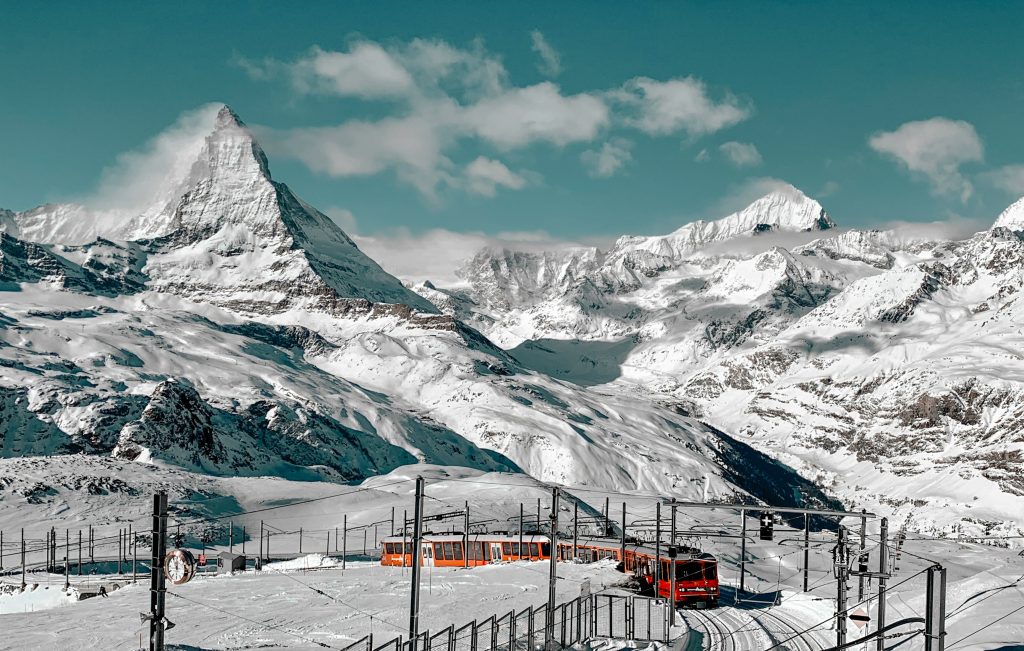
Choose a clear-weather day for the Gornergrat Railway. The mountain train offers an extraordinary Alpine experience and viewpoints toward the Matterhorn when the weather cooperates. Check the actual operating timetable and what is accessible at the summit for your dates.
Altitude, sun exposure and mountain temperatures matter even when it feels warm in the village. I’d plan comfortable layers, appropriate footwear and enough time to enjoy the scenery rather than rushing to a second peak.
Day 8: A Zermatt walk or another mountain experience
Use today for a guided walk suited to your group’s ability and the season. In warmer months, many travelers enjoy trails around the village and mountain stations, but snow, ice and maintenance can change access. If you prefer a quieter trip, spend the day in Zermatt’s shops, cafés and wellness facilities.
The point of this longer stay is having choices. A rainy day shouldn’t ruin the itinerary because every morning was tied to an expensive mountain ticket.
Day 9: A flexible final Zermatt day
Keep a final day available for the mountain excursion you couldn’t do earlier, a longer hike or simply time at the hotel. A special mountainside lunch can be a highlight when the restaurant and the route are operating, but it should be planned with transport and weather in mind.
If your travel season includes winter sports, this day can be adapted for skiing or snow activities, provided the equipment, instruction and conditions are right for your group.
Day 10: Travel by train to Geneva
Travel out of Zermatt toward the Lake Geneva region using appropriate rail connections, typically through the Valais corridor and onward toward Geneva. Check the specific departure and transfer details on SBB. The Glacier Express runs between Zermatt and St. Moritz, not Zermatt and Geneva, so don’t plan to use it as your direct transfer west.
Arrive at the Geneva hotel, settle in and enjoy a quiet evening by the lake if energy permits.
Day 11: Geneva’s historic center and the lake
Explore the old town, cathedral area and selected lakefront sights. Geneva’s international institutions add another dimension to the city, but entry into specific buildings may require advance arrangements or security checks. Choose one cultural focus instead of trying to visit every museum.
Day 12: A Geneva art or international-city day
Spend the day on something that interests you: a guided introduction to Geneva’s international organizations, a museum visit or a relaxed lake excursion when conditions permit. The city makes an interesting contrast with Switzerland’s smaller mountain towns, and a second full day allows you to enjoy that difference.
Day 13: A day trip toward Lausanne or Montreux
Choose one town on Lake Geneva for a change of scenery. Lausanne offers museums and lively streets, while Montreux provides lakeside walks and possible access to Chillon Castle. Rail makes a day excursion practical, but I’d avoid promising both towns and several museums on the same afternoon.
Return to Geneva for a final dinner without another hotel change. If you’re tired of day trips, staying by the lake is an equally good use of your last full day.
Day 14: Departure from Geneva
Allow time to reach the airport or station, settle any rail ticket questions and enjoy one last coffee. If the flight is early, don’t schedule a final attraction. A relaxed end is part of what makes fourteen days feel like a holiday rather than a checklist.
Where I’d stay along the Swiss route
Hotel selection matters differently in each location. In Zürich and Geneva, access to neighborhoods and stations is valuable. In Lucerne and Zermatt, the setting and views may be part of the reason for staying several nights.
- The Dolder Grand, Zürich: A distinctive resort-like hotel above the city, worth considering if spa time, art and views are more important than being immediately beside the central station. Arrange transfers around the hilly location.
- Mandarin Oriental Palace, Luzern: An elegant lakefront option close to Lucerne’s center, well suited to travelers who want the lake to remain part of the experience even on a quiet afternoon.
- CERVO Mountain Resort, Zermatt: An Alpine design-oriented hotel and wellness setting overlooking the village. I’d compare it for travelers who value mountain atmosphere and downtime as much as busy hiking days.
- Four Seasons Hotel des Bergues Geneva: A classic lakefront city hotel for the final four nights, useful for central exploration and a comfortable base for rail day trips.
How I’d choose: Think about transfer convenience as well as scenery. A mountain-facing room isn’t a promise of a clear Matterhorn view every day, and a high-end city hotel doesn’t replace a convenient train connection when you’re moving with luggage.
Restaurant experiences worth considering
I’d plan a few good regional meals and leave plenty of room for informal cafés and mountain restaurants. Opening seasons vary, especially at higher elevations, so an ambitious mountainside lunch requires more checking than a city dinner.
- Kronenhalle, Zürich: A historic city dining room known for art and classic atmosphere. A good choice when you want a special Zurich evening rather than another casual meal.
- Old Swiss House, Lucerne: A traditional restaurant with an atmospheric historic interior. Its table-side schnitzel has become a signature, but confirm opening days and reservations first.
- Chez Vrony, Zermatt: A celebrated mountainside lunch experience in Findeln. The seasonal operating calendar and the walking or lift access deserve attention, and it should not be treated as a walk-in restaurant open every day of the year.
- Geneva lakefront dining: Rather than choose a restaurant based only on an award, I’d compare a classic Swiss dining room and a more contemporary lakefront option near your hotel. This is a place where your preferred cuisine and actual travel dates should determine the reservation.
These aren’t an obligation to book four elaborate dinners. The pleasure of a longer Switzerland trip is being able to choose a special meal when it suits your day.
What I’d arrange before the trip
- Rail tickets and passes. Compare point-to-point tickets, saver fares and any rail pass against your actual dates and mountain excursions. Buying a pass is not automatically cheaper.
- Mountain transport operations. Gornergrat, Rigi and Pilatus operate different services and seasonal schedules. Check the route for the specific day, not just whether the mountain is open in general.
- Hotels and luggage transfers. Zermatt’s car-free access and the location of hillside hotels may warrant special arrangements, especially with heavy suitcases.
- Flexible weather days. Keep the key mountain outings movable whenever possible. Visibility and storms can matter more than anything printed in a fixed itinerary.
- Any Glacier Express experience. If that’s a major goal, redesign part of the itinerary for the correct Zermatt-to-St. Moritz route and reserve seats according to its operating schedule. Don’t insert it as a train to Geneva.
How I’d adapt fourteen days in Switzerland
For keen hikers: Give more nights to Zermatt and simplify the city portion. For art and urban travelers: Spend longer in Zürich and Geneva and take fewer mountain excursions. For families: Keep days shorter, choose hotels with suitable rooms and select mountain journeys appropriate for the youngest travelers. For rail enthusiasts: Consider replacing Geneva with an Engadin or St. Moritz leg to include the full Glacier Express route.
I wouldn’t automatically add Interlaken or several more Alpine resort towns to the same fortnight. Switzerland is compact on a map, but frequent hotel changes can consume the best part of your days.
Common questions about this Switzerland rail itinerary
Do I need to rent a car?
No, not for this route. Switzerland’s rail network makes the city-to-city journeys very practical, and Zermatt is not set up for visitors to drive private cars to their hotels.
Is fourteen days too long?
Not if you enjoy combining cities and mountains at an unhurried pace. This version leaves room for weather and slower days, which is often more valuable than adding yet another destination.
Does the Glacier Express go from Zermatt to Geneva?
No. Its signature route runs across the Alps to St. Moritz. A Geneva-bound transfer uses other rail connections. If taking the Glacier Express is central to the trip, I’d adjust the route rather than suggest a train service that doesn’t exist.
Plan this trip with Atlas Road Travel
Use this guide to explore the route, hotel choices and experiences. For a trip tailored to your dates, interests and budget, ask Atlas Road Travel. Our trip planning is free.
Get the complete itinerary
We will email you a printable PDF and an editable Word document, with planning notes, lodging guidance, and booking priorities. No automated follow-ups or sales sequence. Just reply if you want help planning your trip.