How to Plan Your First Cruise: A Complete Guide for Beginners
Cruising gets a bad rap from people who’ve never tried it. “Too touristy.” “Too structured.” “Too much shuffleboard.”
But here’s what changed my mind: a cruise is one of the few vacation formats where you can wake up in a different city every few days without packing and unpacking, eat phenomenal food without researching restaurants, and have someone else handle all the logistics while you actually relax.
The catch? Cruising has a learning curve. There are cabin categories, dining packages, shore excursion decisions, and about seventeen beverage options that all sound the same but cost differently. For first-timers, it’s genuinely overwhelming.
This guide breaks down exactly how to plan your first cruise without getting lost in cruise line jargon or spending twice what you needed to.
When to Book Your Cruise (And Why Timing Matters)
The cruise industry has something called “wave season” that runs from January through March. During these months, cruise lines offer their best promotions: reduced deposits, onboard credits, cabin upgrades, and sometimes significant price drops.
Why does wave season exist? Simple: cruise lines want to fill ships early. An empty cabin doesn’t generate revenue, so they incentivize early bookings with perks that disappear once demand picks up.
Best booking windows:
-
Wave season (Jan-Mar): Best promotions and perks
-
6-12 months out: Widest cabin selection, decent pricing
-
3-4 months out: Good for flexible travelers who can grab last-minute deals
-
Last-minute (under 90 days): Hit or miss; great deals exist but cabin choices are limited
Worst time to book: 60-90 days out. You’re past the early-bird deals but too early for true last-minute pricing. It’s the dead zone.
If you’re reading this in January or February, you’re in the perfect window. If not, don’t panic—good deals exist year-round, but wave season is legitimately the best time to book if your travel dates are flexible.
Choosing Your First Cruise: Start With Destination
Most first-timers pick a cruise line first, then figure out where it goes. That’s backwards.
Start with the destination you want to explore, then find which cruise lines serve that region well. Here’s why: a mediocre cruise to a destination you’re excited about beats a luxury cruise to somewhere you’re lukewarm on.
Popular First-Timer Destinations
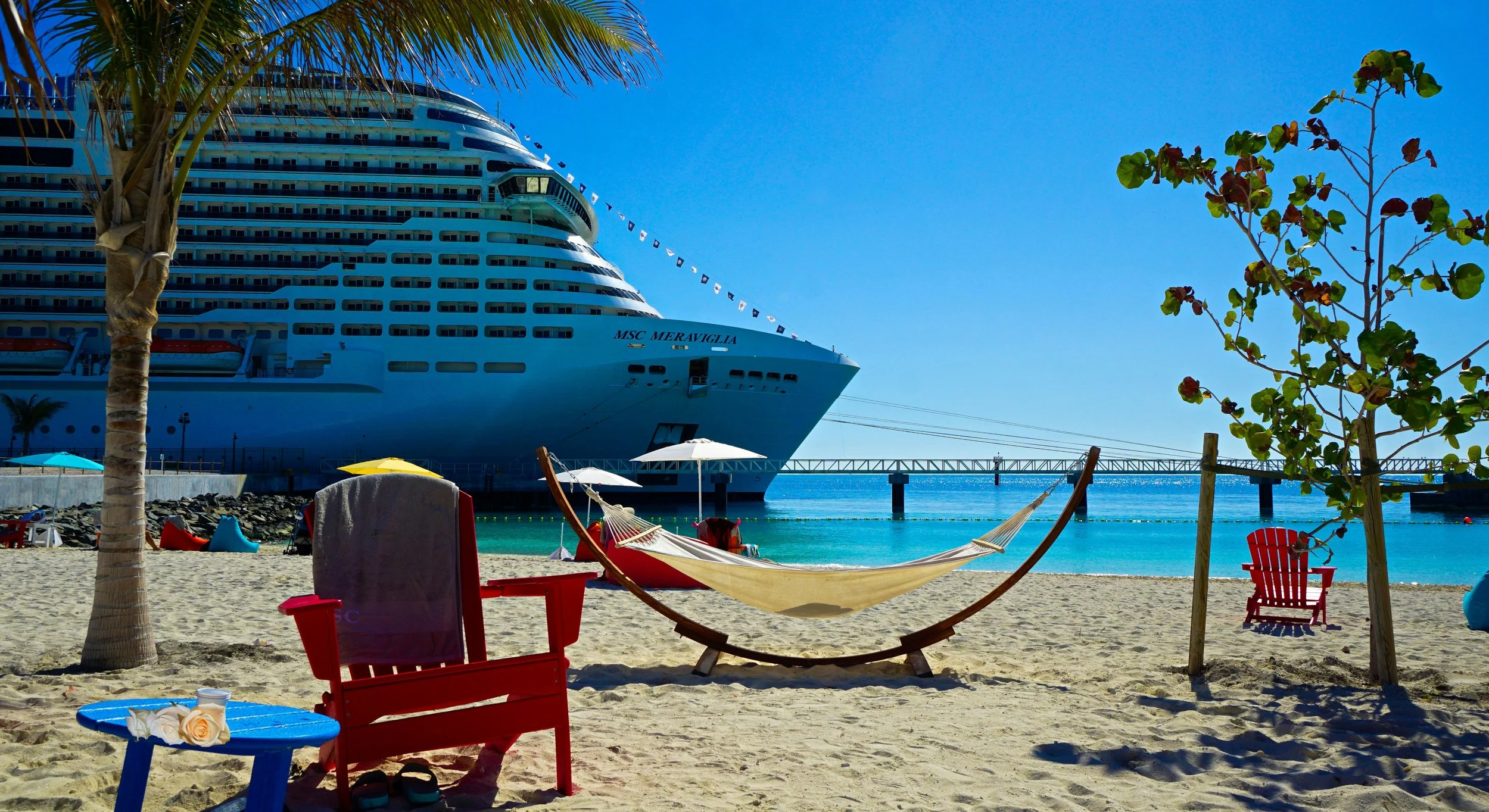
Caribbean (Eastern, Western, or Southern) Best for: Warm weather, beaches, snorkeling, ease
Season: Year-round, but avoid hurricane season (Aug-Oct) if possible
Port highlights: Cozumel, Grand Cayman, St. Thomas, Aruba, Barbados
Why it works for first-timers: Short flights from the U.S., warm and easy, lots of cruise options
Alaska Best for: Scenery, wildlife, cooler weather, glaciers
Season: May-September only
Port highlights: Juneau, Skagway, Ketchikan, glacier viewing
Why it works for first-timers: Stunning scenery, less “party cruise” vibe, often includes Glacier Bay
Mediterranean Best for: History, culture, food, diverse cities
Season: May-October (avoid August crowds if possible)
Port highlights: Barcelona, Rome, Athens, Santorini, Dubrovnik
Why it works for first-timers: You can “test” multiple European cities in one trip
Mexico (Baja or Riviera Maya) Best for: Quick getaways, affordability, accessibility
Season: Year-round
Port highlights: Cabo San Lucas, Puerto Vallarta, Cozumel, Ensenada
Why it works for first-timers: Short cruises (3-5 days), easy logistics
Longer/Bucket-List Options: Northern Europe, Asia, South America, transatlantic crossings, Antarctica. These are incredible, but save them for cruise #2 or #3 once you know what you like.
Understanding Cruise Lines (Without the Sales Pitch)
Cruise lines have personalities. Some skew younger and party-focused. Others feel like floating resorts for families. A few are designed for travelers who want upscale dining and no kids.
Here’s a quick breakdown of the main players and who they’re best for:
Mass-Market Lines (Affordable, Family-Friendly, Lots of Activities)
Royal Caribbean
Massive ships, water slides, rock climbing walls, ice skating rinks. Great for families, groups, and people who want activities. Can feel crowded.
Carnival
The “fun ships.” Lively, younger crowds, party atmosphere. Budget-friendly. Not ideal if you want a quiet, refined experience.
Norwegian (NCL)
“Freestyle cruising” = flexible dining, no formal nights, relaxed vibe. Good middle ground between fun and upscale.
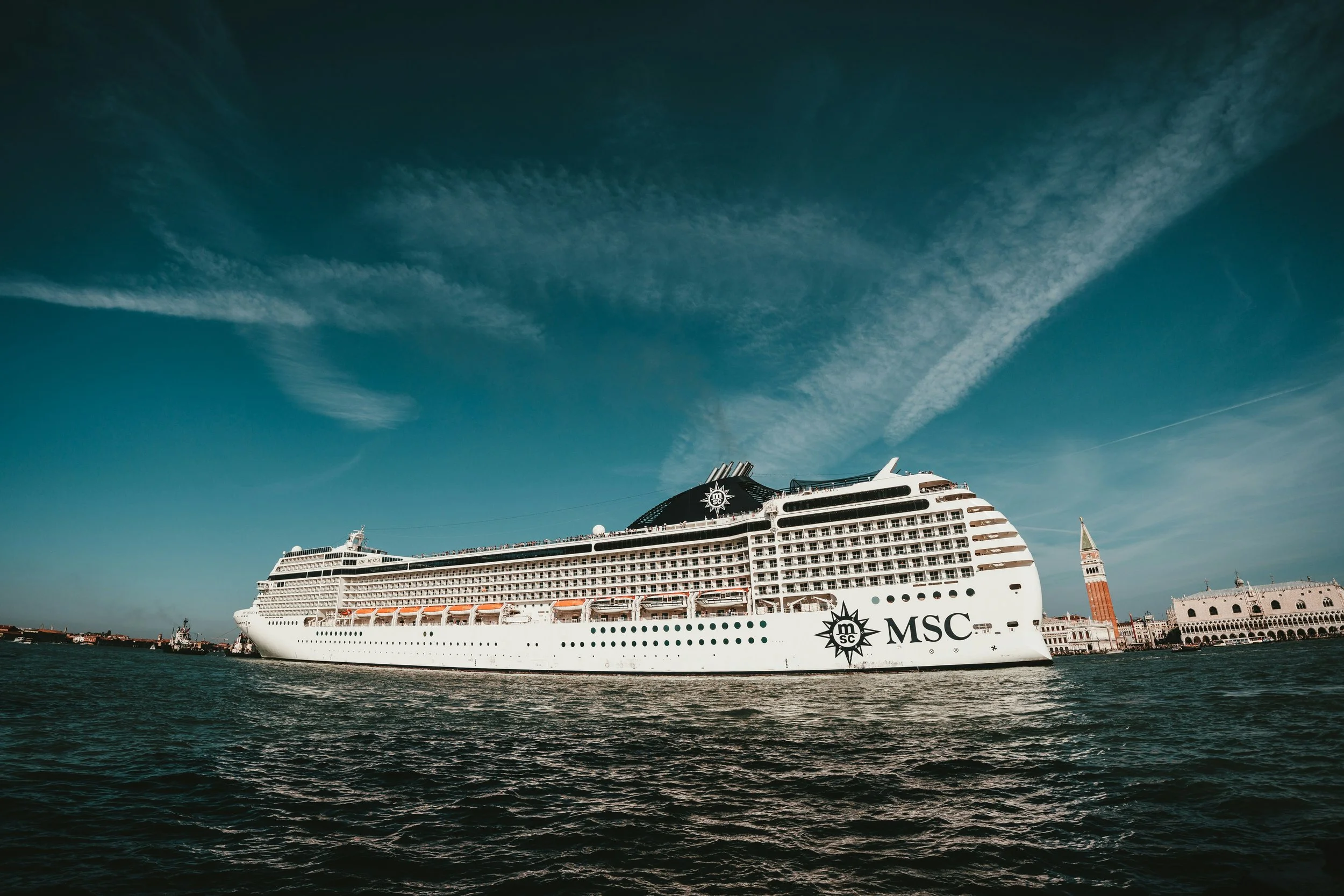
MSC Cruises
European cruise line expanding in North America. Modern ships, international crowds, good value. Still building its U.S. reputation.
Disney Cruise Line
Family perfection. Incredible for kids but expensive. Adults without kids may feel out of place unless they’re Disney superfans.
Premium Lines (More Refined, Better Food, Smaller Ships)
Holland America
Classic cruising. Older demographic, excellent service, refined atmosphere. Ideal for travelers 50+.
Princess Cruises
Mid-range premium. Good food, decent entertainment, solid service. Appeals to a broad age range.
Celebrity Cruises
Modern, stylish, fantastic dining. Great for couples and travelers who want elevated experiences without going full luxury.
Luxury & Boutique Lines (Small Ships, All-Inclusive, High-End)
Viking Ocean Cruises
Destination-focused, adults-only, Scandinavian design. Includes shore excursions and drinks. Expensive but comprehensive.
Regent Seven Seas
All-inclusive luxury. Everything included: drinks, excursions, specialty dining, tips. Small ships, refined atmosphere.
Oceania Cruises
Food-focused luxury. Smaller ships, destination-heavy itineraries, excellent cuisine.
Explora Journeys, Four Seasons Yachts, Orient Express Corinthian
Ultra-luxury boutique yachts. Intimate, design-forward, highly personalized. Think floating boutique hotels.
How to Choose
If you’re unsure: Start with Norwegian, Celebrity, or Princess. They’re the Goldilocks zone—not too party-focused, not too stuffy, solid quality.
If you have kids: Royal Caribbean or Disney (budget permitting).
If you hate crowds and want refined: Celebrity, Holland America, or a luxury line.
If you want to party: Carnival or certain Royal Caribbean ships.
Decoding Cabin Categories (And Which One You Actually Need)
Cabin categories are where cruise pricing gets confusing. The same cruise can range from $800 to $8,000 per person depending on your cabin. Here’s what you’re actually choosing between:
Inside Cabin (No Window)
What it is: A small room with no natural light
Pros: Cheapest option, perfectly functional if you only sleep there
Cons: Can feel claustrophobic; you lose track of time
Best for: Budget travelers who plan to spend all day exploring
Oceanview Cabin (Window or Porthole)
What it is: A cabin with a window (often non-opening)
Pros: Natural light, slightly larger than inside cabins
Cons: More expensive; window views vary
Best for: People who want some daylight but don’t need outdoor space
Balcony Cabin (Private Outdoor Space)
What it is: A cabin with a small private balcony
Pros: Fresh air, private outdoor seating, great for morning coffee or scenic cruising
Cons: Costs significantly more; balconies can be small
Best for: People who value private space and scenic moments (Alaska, Mediterranean)
Suite (Larger Cabin, Extra Perks)
What it is: A larger cabin with more space, often separate living area
Pros: More room, priority boarding, concierge service, sometimes includes drinks or dining perks
Cons: Expensive
Best for: Special occasions, longer cruises, people who need extra space
Our Take
For your first cruise, aim for a balcony cabin if your budget allows. It changes the experience. You’ll spend more time in your cabin than you think—especially on sea days or early mornings—and having outdoor space makes a noticeable difference.
If budget is tight, an oceanview cabin is a solid compromise. Inside cabins are fine but can feel confining, especially on longer cruises.
Pro tip: Mid-ship cabins (center of the ship) have the least motion. Avoid cabins directly below the pool deck or above the theater if you’re a light sleeper.
Shore Excursions: Book Through the Cruise Line or Go Independent?
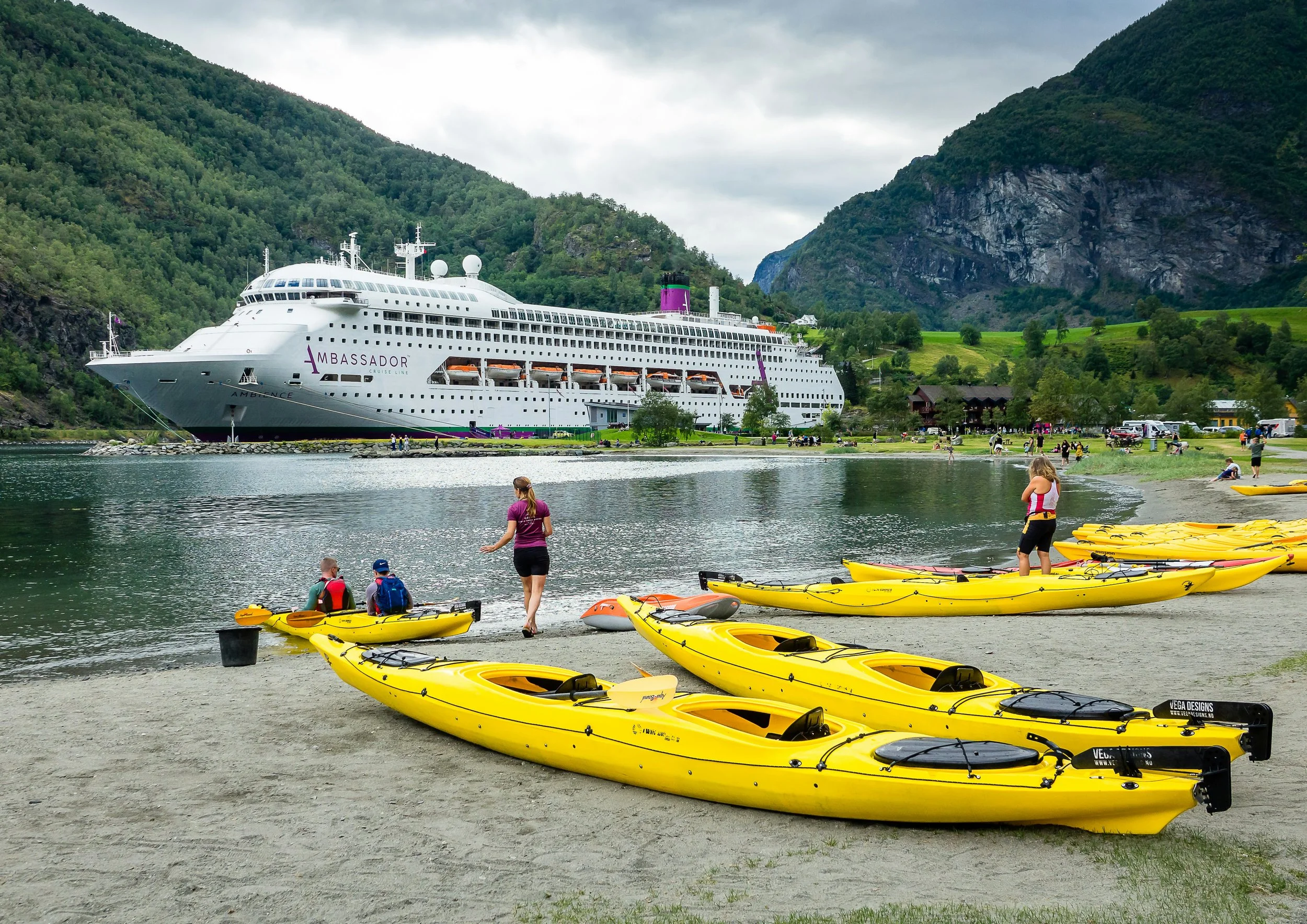
This is one of the biggest questions first-timers wrestle with. When you dock at a port, you can either:
-
Book a shore excursion through the cruise line (organized tours, guaranteed to get you back on time)
-
Explore on your own (more flexible, often cheaper, but you’re responsible for getting back on time)
Booking Through the Cruise Line
Pros:
-
The ship waits for official excursions if there’s a delay
-
Vetted, reliable operators
-
Easy to book in advance
-
No planning required
Cons:
-
More expensive (cruise line takes a cut)
-
Larger groups, less personalized
-
Less flexibility with timing
Best for: First-timers, ports where logistics are tricky (e.g., Belize, certain Caribbean islands), excursions requiring coordination (e.g., helicopter tours, multi-stop trips)
Going Independent
Pros:
-
Often half the cost
-
Smaller groups or private experiences
-
More control over your time
-
Support local operators directly
Cons:
-
If you’re late, the ship leaves without you (and you’re responsible for catching up)
-
Requires research and planning
-
Quality varies
Best for: Easy ports (e.g., Cozumel, Nassau), experienced travelers, people comfortable navigating independently
Our Recommendation
For your first cruise, book 1-2 excursions through the cruise line for ports where logistics matter (e.g., anything involving transportation to ruins or remote locations). For easy ports with walkable downtowns (e.g., Key West, many European ports), explore on your own.
Pro tip: Sites like Viator, GetYourGuide, and Shore Excursions Group offer independent excursions at better prices. Just confirm return times and build in a buffer.
What’s Actually Included (And What Costs Extra)
Cruise pricing is confusing because not everything is included in your base fare. Here’s the breakdown:
Always Included
-
Your cabin
-
Main dining room meals (breakfast, lunch, dinner)
-
Buffet access
-
Most onboard activities (pools, fitness center, entertainment)
-
Kids’ clubs (on most lines)
Usually Extra
-
Alcoholic drinks (unless you buy a beverage package)
-
Specialty dining (steakhouse, Italian restaurant, sushi)
-
Gratuities/service charges ($14-18 per person per day)
-
Shore excursions
-
Spa services
-
Internet/Wi-Fi
-
Specialty coffees (lattes, cappuccinos)
-
Soda (on some lines)
Sometimes Included (Depends on Cruise Line or Fare Type)
-
Drinks (luxury lines often include alcohol)
-
Gratuities (some luxury lines include them)
-
Shore excursions (Viking and some luxury lines include them)
-
Specialty dining (some lines include it or offer credits)
The Hidden Costs
Gratuities are often the biggest surprise. They’re typically auto-charged to your account at $14-18 per person per day. On a 7-day cruise, that’s $100-126 per person in tips.
Beverage packages can save money if you drink regularly, but they’re expensive upfront ($50-80 per person per day). Do the math: if you’re drinking 4-6 drinks per day, it’s worth it. If not, pay as you go.
Specialty dining is tempting but unnecessary. The main dining room food is solid on most lines. Save specialty dining for one or two special nights.
First-Timer Mistakes to Avoid
1. Overpacking
You don’t need seven formal outfits. Most cruises have 1-2 formal nights max, and “formal” often just means a dress or button-down shirt. Pack light.
2. Booking the Cheapest Inside Cabin Without Considering Motion
If you’re prone to seasickness, avoid cabins at the front or back of the ship. Mid-ship, lower decks are the most stable.
3. Not Researching Your Ports
A few hours of pre-trip research makes a huge difference. Know which ports are walkable, which require transportation, and what’s worth seeing.
4. Trying to Do Everything
You don’t need to attend every activity, eat at every restaurant, or see every show. Cruises are busy by design, but you’re allowed to relax.
5. Arriving at Your Departure Port the Same Day
Flights get delayed. If you miss your ship, you’re out thousands of dollars. Fly in the day before and stay overnight near the port.
6. Not Reading the Fine Print on Excursions
Some shore excursions are physically demanding. If an excursion says “moderate activity,” it might involve serious hiking. Read reviews.
7. Ignoring the Daily Schedule
The cruise provides a daily schedule (usually delivered to your cabin the night before). Read it. It lists port times, dining hours, shows, and activity times. Missing your ship because you didn’t check the schedule is a nightmare.
Is a Cruise Right for You?
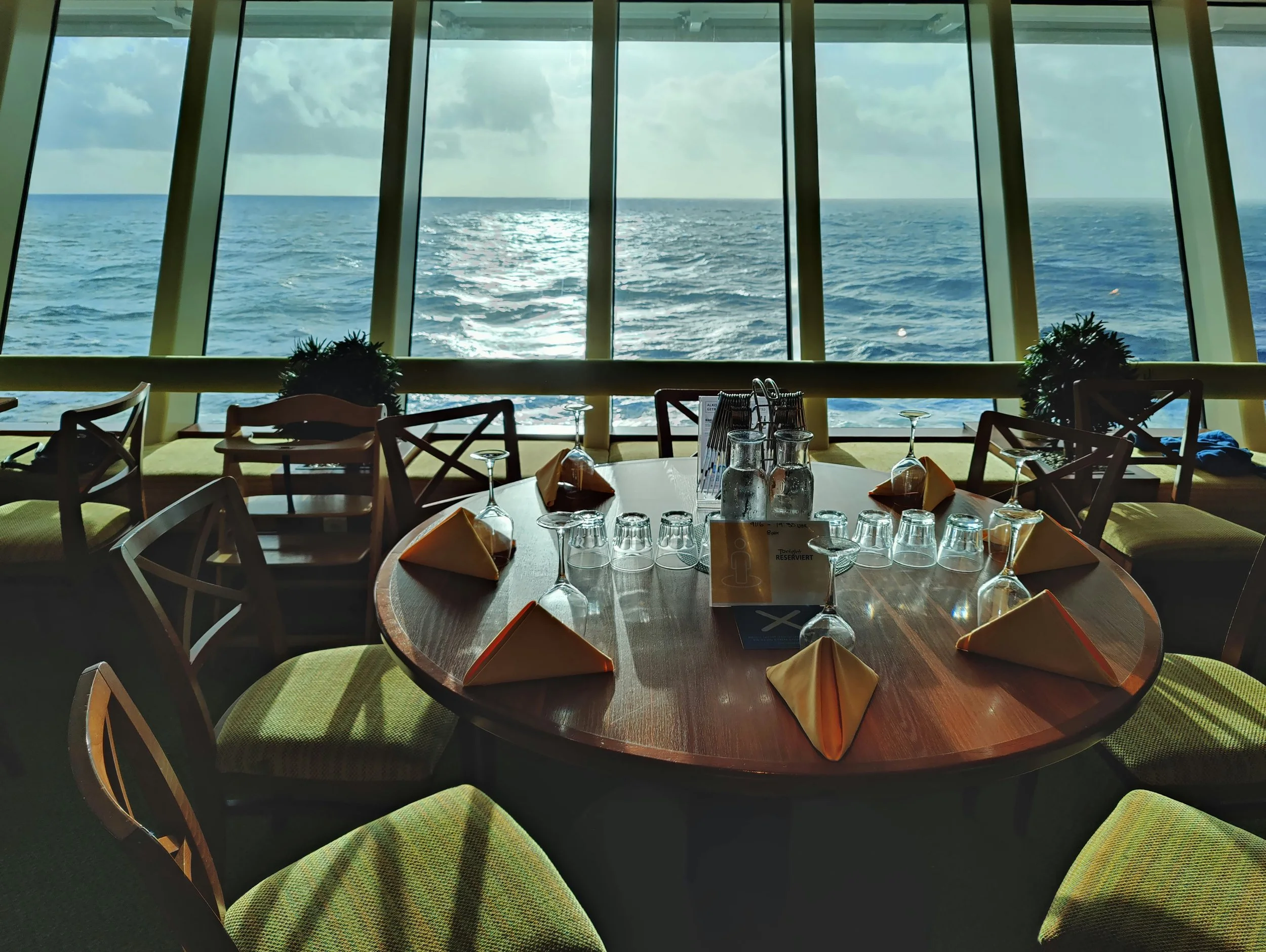
Cruising isn’t for everyone, and that’s fine. Here’s who tends to love cruising:
You’ll probably enjoy cruising if:
-
You like the idea of unpacking once but seeing multiple destinations
-
You appreciate having food, lodging, and logistics handled for you
-
You enjoy structured activities and entertainment
-
You’re traveling with kids or a multigenerational group
-
You want a vacation where you genuinely relax without planning every detail
You might not enjoy cruising if:
-
You hate crowds or feeling like you’re in a resort
-
You prefer slow, immersive travel in one place
-
You want complete flexibility and spontaneity
-
You get seasick easily (though this is rare on large modern ships)
-
You dislike scheduled dining times or planned activities
For most people, cruising is a surprisingly effective way to travel. The trick is choosing the right cruise line, itinerary, and cabin for your preferences.
How Atlas Road Travel Can Help You Plan Your First Cruise
Here’s the truth: planning your first cruise takes time. You’re comparing itineraries, reading cabin reviews, figuring out which excursions are worth it, and trying to decode beverage packages and fare types.
That’s where we come in.
Atlas Road Travel specializes in detailed, custom trip planning for travelers who want someone else to handle the research. We compare cruise lines, recommend the right cabin category for your budget, help you decide which excursions make sense, and create a full plan so you’re not figuring things out as you go.
If you’re interested in planning a cruise but don’t want to spend 20 hours researching options, explore our trip planning services. We’ll handle the logistics so you can focus on enjoying your vacation.
Final Thoughts
Your first cruise doesn’t have to be complicated. Start with a destination you’re excited about, choose a cruise line that matches your vibe, book a balcony cabin if you can swing it, and give yourself permission to relax.
Cruising gets better the more you understand how it works. This guide gives you the foundation. The rest is just deciding where you want to go.
If you have questions about planning your first cruise, reach out—we’re happy to help.
Related Articles: