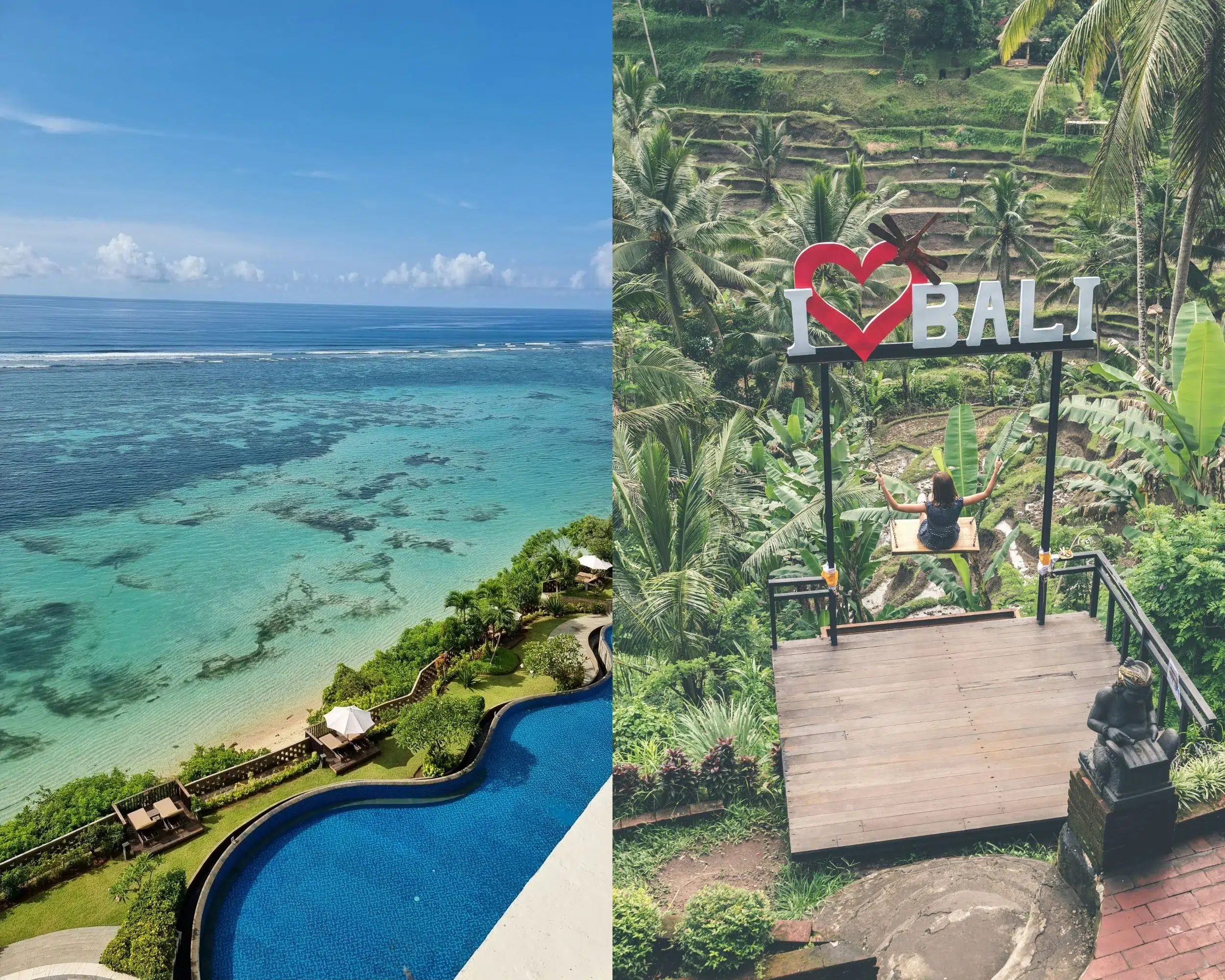
Bali Luxury Travel Guide: Jungle Retreats and Beach Resorts
Bali occupies a strange space in travel planning. It’s simultaneously one of the world’s most popular destinations and wildly misunderstood by first-time visitors. People arrive expecting either a pristine tropical paradise or a completely overrun tourist circus, and the reality is far more nuanced than either extreme.
Here’s what Bali actually is: a remarkably diverse island where you can experience ancient temples in misty mountains, world-class beach clubs on stunning coastlines, rice terraces that look like they’re from another century, and some of Asia’s most sophisticated luxury resorts. But you need to know where to go, when to visit, and how to navigate the chaos that does exist in certain areas.
We’ve spent considerable time in Bali planning trips across every region and price point. This guide focuses on the luxury experience, from jungle retreats in Ubud to beachfront villas in Uluwatu, with everything you need to know to actually enjoy Bali rather than just survive it.
Understanding Bali’s Regions
Bali is small (about 90 miles wide), but the different regions offer completely different experiences. Where you stay fundamentally shapes your trip. Most visitors should plan to experience at least two regions to get the full scope of what makes Bali special.
Ubud: The Cultural and Jungle Heart
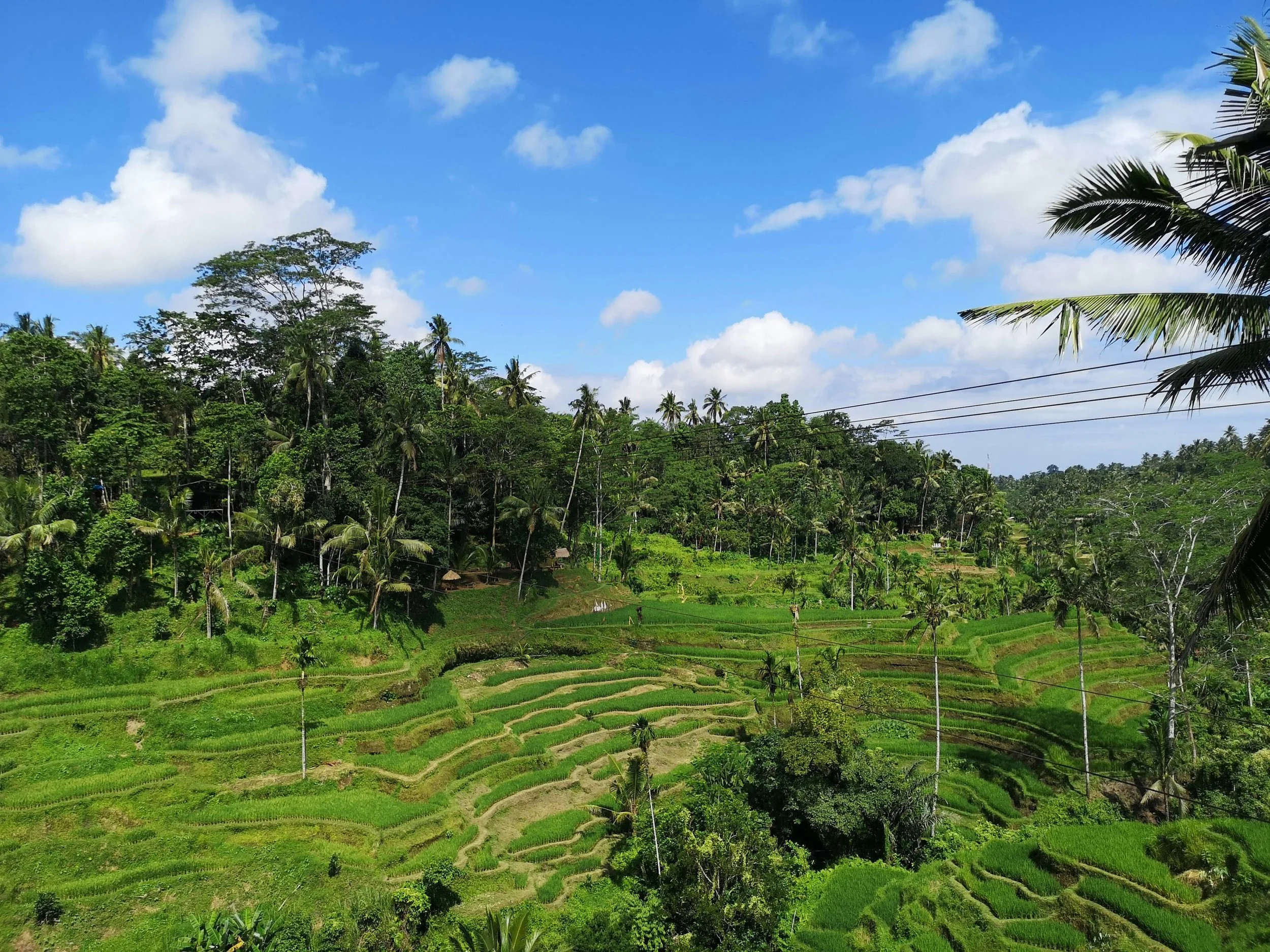
Ubud sits in the island’s interior, surrounded by rice terraces, river gorges, and jungle. This is cultural Bali, spiritual Bali, and increasingly, wellness Bali. The town itself is charming but touristy, with yoga studios, organic cafes, art galleries, and craft markets.
The vibe: Lush, green, humid, and hilly. This is where you come for temples, rice terraces, traditional dance performances, and that jungle retreat experience. Expect rain showers even in dry season and temperatures in the low to mid-80s with high humidity.
Best for: Couples seeking romance and wellness, cultural experiences, people who want the jungle Instagram photos, yoga and meditation retreats, escaping beach resort vibes.
Not ideal for: Beach lovers (the ocean is 45+ minutes away), people who want vibrant nightlife, those seeking a party scene.
How long to stay: 3-5 nights for a balanced trip, 5-7 if Ubud is your primary focus.
Seminyak: Upscale Beach Town
Seminyak is Bali’s most developed beach area, with designer boutiques, excellent restaurants, beach clubs, and a more sophisticated atmosphere than neighboring Kuta. The beach is long, sandy, and good for surfing but can have strong currents for swimming.
The vibe: Trendy, social, with a Mediterranean resort town feel. This is where well-heeled travelers go for beach life with good food and shopping. More scene-focused than serene.
Best for: Travelers who want beach access with excellent dining, shopping enthusiasts, people who enjoy beach clubs and social atmosphere, those seeking good nightlife without full party chaos.
Not ideal for: People seeking quiet and seclusion, travelers on tight budgets (everything is priced high here), families with young children (beach currents and sophisticated vibe).
How long to stay: 3-4 nights, often combined with another region.
Uluwatu: Dramatic Cliffs and Surf Culture
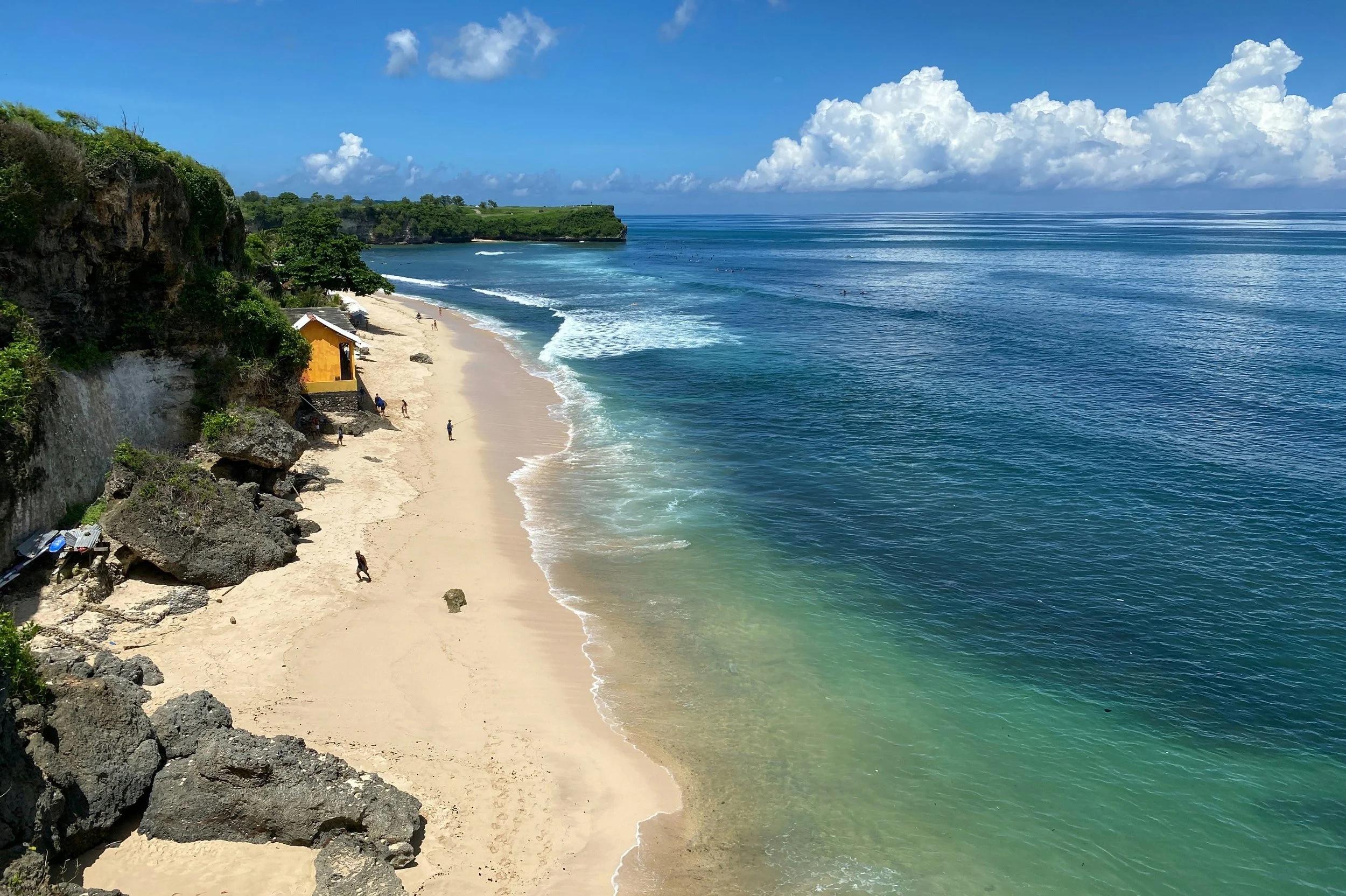
The Bukit Peninsula’s southern tip features dramatic limestone cliffs, hidden beaches, world-class surf breaks, and some of Bali’s most spectacular luxury resorts. Uluwatu offers stunning ocean views but limited beach access from most properties.
The vibe: Dramatic, clifftop, sophisticated. This region feels more exclusive and less crowded than Seminyak. The famous Uluwatu Temple perches on cliffs here, and the surf culture runs deep.
Best for: Couples seeking luxury with spectacular views, surfers, people who prioritize property quality over beach access, those wanting to avoid the busier parts of Bali.
Not ideal for: Families with small children (cliffs and limited beach access), budget travelers, people who want easy walkable access to restaurants and activities.
How long to stay: 3-5 nights, especially if combining with Ubud for jungle and ocean.
Canggu: Surfer Town with Digital Nomad Energy
Canggu has exploded in the past decade from sleepy surf village to the center of Bali’s digital nomad scene. It’s trendy, young, health-focused, with great cafes, beach clubs, and a laid-back vibe that appeals to travelers in their 20s and 30s.
The vibe: Casual, beachy, Instagram-friendly. More bohemian than Seminyak, more social than Uluwatu. Rice paddies meet surf culture meet wellness culture.
Best for: Younger travelers, digital nomads, surfers, people who want trendy casual over sophisticated luxury, those seeking a social scene without Seminyak prices.
Not ideal for: Luxury travelers seeking polish and refinement, older travelers who want quiet sophistication, people bothered by traffic (Canggu’s roads are notoriously congested).
How long to stay: 2-4 nights if it fits your vibe, or skip it entirely for other regions.
Nusa Dua: Gated Resort Enclave
Nusa Dua is Bali’s purpose-built resort area on the southeastern coast. It’s gated, manicured, and deliberately separate from the rest of Bali. Think large international chain resorts, golf courses, and pristine beaches with calm water.
The vibe: Sanitized, safe, isolated. This is where people go for a traditional beach resort experience without engaging with Bali’s chaos or culture. It feels more like a generic tropical resort than distinctly Balinese.
Best for: Families with young children seeking safe beaches and resort infrastructure, older travelers who want predictable comfort, people who find the rest of Bali overwhelming.
Not ideal for: Travelers seeking authentic cultural experiences, foodies (dining options are mostly resort restaurants), people who want to explore and immerse themselves in Bali.
How long to stay: This depends entirely on whether you want the isolated resort experience. 3-7 nights if this is your preferred style, or skip it entirely.
Best Luxury Resorts and Hotels by Region
Bali’s luxury hotel scene is exceptional. You’ll find everything from intimate jungle villas to sprawling beachfront resorts to cutting-edge design properties. Here are our top picks in each region.
Ubud Luxury Stays
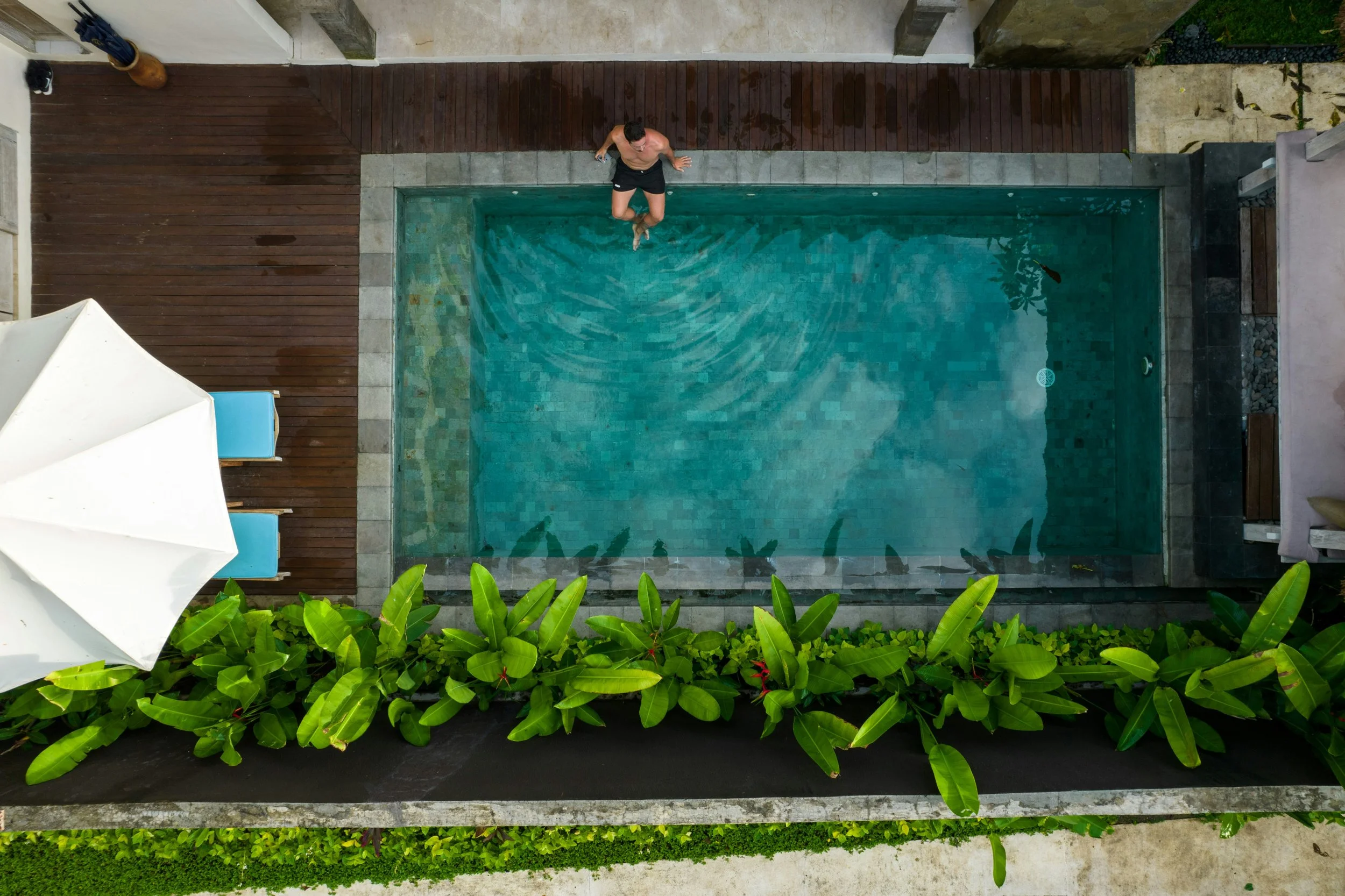
Capella Ubud is Bali’s most unique luxury property. It’s designed to look like a 1920s European settler’s camp in the jungle, with tented accommodations that are actually permanent structures with full luxury amenities. The design is spectacular, with copper tubs, private pools, and dramatic jungle setting. The property is small (22 tents), service is exceptional, and the experience feels unlike anywhere else in Bali. This is our top pick for couples seeking something special.
Four Seasons Resorts Bali at Sayan sits above the Ayung River in a stunning valley setting. The main pavilion appears to float above the jungle, and villas cascade down the hillside. The property has a famous riverside spa, excellent dining, and that iconic lily pond entrance. It’s romantic, peaceful, and quintessentially Ubud luxury.
Amandari offers traditional Balinese village design with contemporary luxury. The property overlooks rice terraces, with pool suites that feel like private compounds. It’s serene, understated, and provides that Aman standard of service. Good for travelers who want refinement without showiness.
COMO Shambhala Estate is a wellness-focused resort built into a river valley. If you’re coming to Bali for yoga, spa treatments, healthy food, and holistic wellness, this is the place. Accommodations range from rooms to multi-bedroom villas, and the wellness facilities are some of the best in Asia.
Seminyak Luxury Stays
The Legian Seminyak sits directly on the beach with understated elegance and exceptional service. The property is intimate (79 suites), adults-only, with a sophisticated aesthetic that feels more refined than typical Seminyak hotels. Suites face the ocean, and the beachfront setting can’t be beat.
W Bali – Seminyak brings W’s design-forward approach to Seminyak beachfront. It’s trendy, fun, with excellent restaurants and a great pool scene. Good for travelers who want luxury with energy rather than quiet sophistication.
Alila Seminyak offers contemporary design, beachfront location, and that distinctive Alila aesthetic of minimalist luxury. The rooftop bar has excellent sunset views, and the property feels modern and sophisticated.
Uluwatu Luxury Stays
Six Senses Uluwatu perches on cliffs with stunning ocean views and Six Senses’ signature sustainability focus. Villas have private pools, the spa is exceptional, and the clifftop setting is dramatic. The property feels exclusive and peaceful, perfect for honeymooners or couples seeking a special retreat.
Bulgari Resort Bali brings Italian luxury to Uluwatu’s cliffs. The property is spectacular, with a private beach reached by clifftop funicular, exceptional dining, and that Bulgari attention to detail. It’s one of Bali’s most expensive properties, but the experience matches the price.
Alila Villas Uluwatu combines contemporary architecture with clifftop location. The cabanas surrounding the pool seem to float above the ocean. It’s stylish, sophisticated, and offers excellent value compared to Six Senses and Bulgari while delivering a comparable experience.
The Edge Bali features villas built into the cliff face, many with glass-bottom pools that seem to hang over the ocean. It’s dramatic, photogenic, and designed for the Instagram generation while maintaining genuine luxury standards.
Canggu and Nusa Dua
For Canggu, luxury options are more limited. Soori Bali is the standout, offering beachfront villas with private pools and a more refined experience than typical Canggu properties.
In Nusa Dua, Mulia Resort and St. Regis Bali Resort are the luxury standards, offering large-scale resort experiences with excellent facilities, though they lack the intimate character of smaller properties.
Temples and Cultural Experiences
Bali’s Hindu culture and ancient temples are a huge part of what makes the island special. Here’s what actually matters and what’s overhyped tourist bait.
Essential Temples
Tanah Lot is Bali’s most photographed temple, sitting on a rock formation in the sea. It’s genuinely beautiful, especially at sunset. It’s also absolutely mobbed with tourists and surrounded by aggressive vendors. Go early in the morning or accept the crowds at sunset. Don’t skip it, but manage expectations.
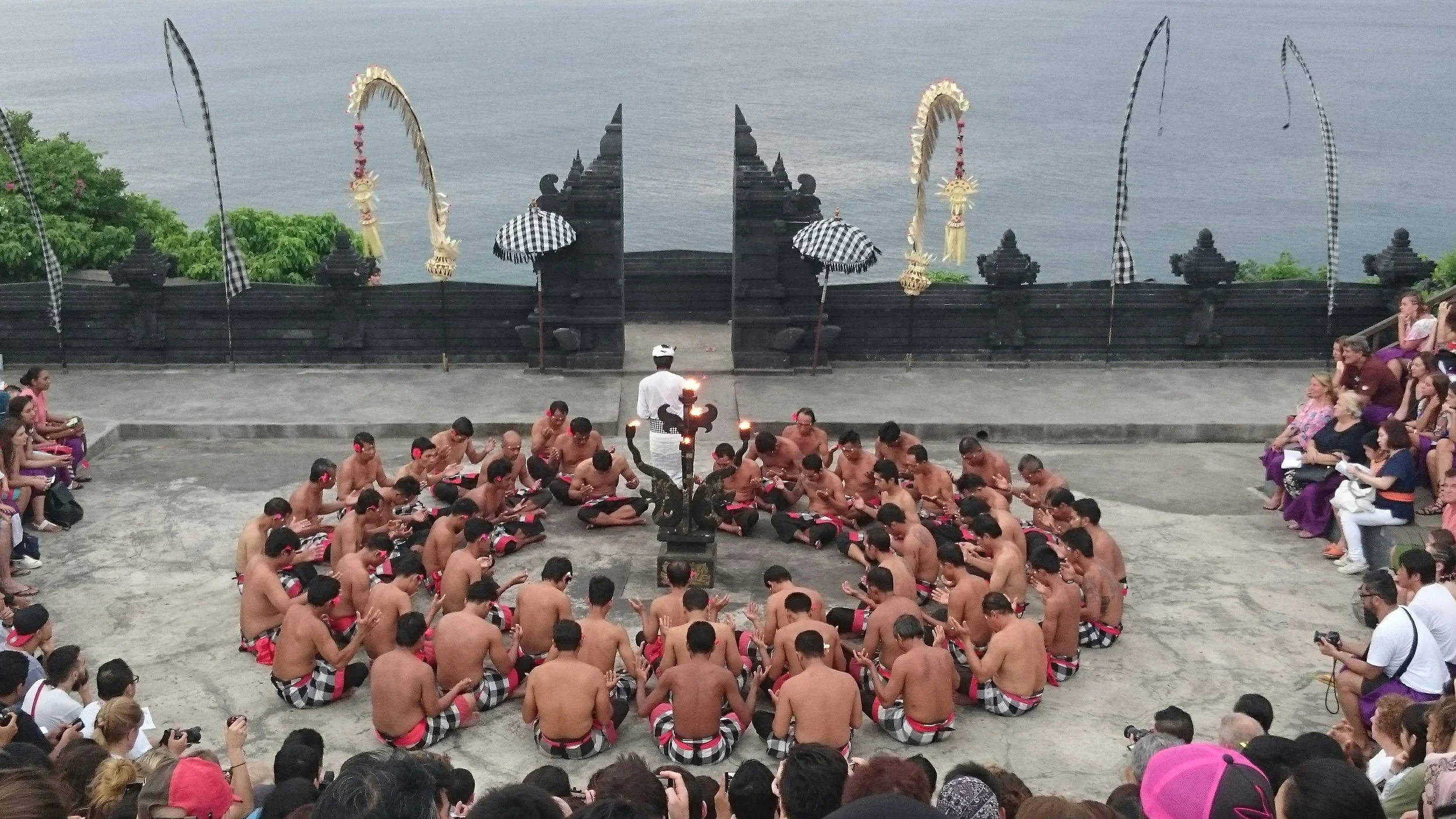
Uluwatu Temple perches on dramatic cliffs with ocean views and is home to resident monkeys who will absolutely steal your sunglasses if given the chance. The evening Kecak fire dance performance here is spectacular and worth experiencing. The temple itself is smaller than expected but the setting is stunning.
Tirta Empul is a water temple where Balinese Hindus perform purification rituals in spring-fed pools. You can participate (appropriate clothing required), which feels more meaningful than just observing temples from the outside. It’s one of the more spiritual temple experiences available to visitors.
Besakih Temple is Bali’s “Mother Temple,” the largest and holiest temple complex on the island. It sits on the slopes of Mount Agung and is genuinely impressive. However, aggressive touts and “guides” at the entrance can make the experience frustrating. Consider hiring a guide through your hotel to avoid harassment.
Cultural Experiences Worth Having
Traditional dance performances happen nightly across Bali. The Kecak fire dance at Uluwatu Temple is the most dramatic setting. The Legong dance in Ubud’s palace is more intimate. These performances are tourist-oriented but preserve real cultural traditions and are worth experiencing.
Balinese cooking classes offer insight into local cuisine and culture. Many luxury resorts offer private cooking classes, or you can book experiences in Ubud that include market visits and hands-on cooking. It’s a highlight for food-focused travelers.
Temple ceremonies happen constantly across Bali. If you see one happening, you can often observe respectfully from the edges (proper dress required, no shorts or tank tops). Your hotel can help you understand what’s happening and ensure you’re not intruding.
Sunrise trekking Mount Batur is the classic Bali adventure. You hike in the dark to reach the summit for sunrise over the volcanic landscape. It’s popular for a reason, though it’s quite touristy at this point. Alternative: Mount Agung is more challenging and less crowded.
Unique Experiences and Activities
Beyond temples and resorts, here’s what makes Bali memorable:
Rice Terraces
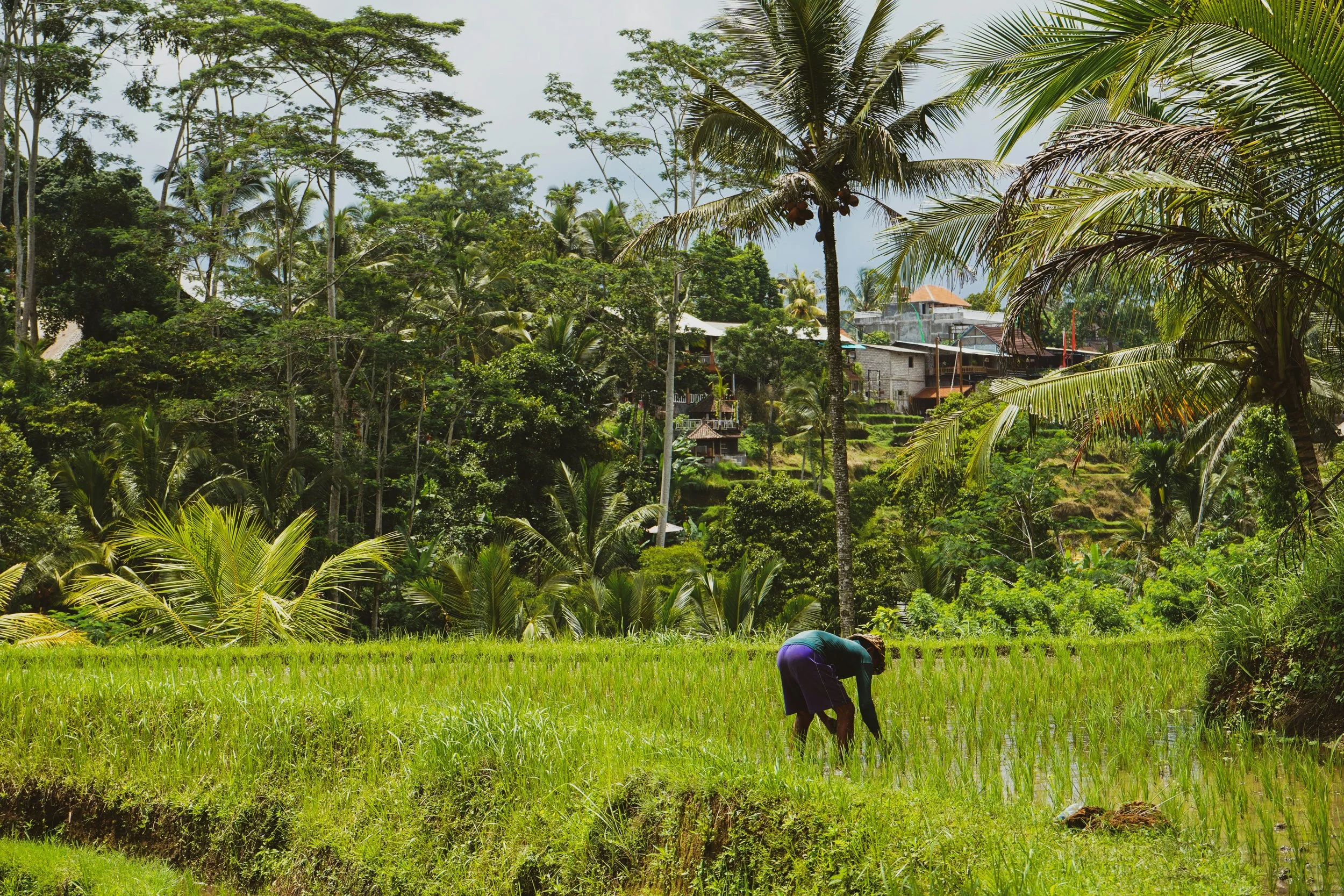
Tegalalang Rice Terraces near Ubud are the most famous and most photographed. They’re beautiful but absolutely swarmed with tourists and Instagram seekers. Vendors will demand payment to walk through sections. Go very early morning to avoid crowds.
Jatiluwih Rice Terraces are a UNESCO World Heritage site farther from Ubud. They’re more expansive, more authentic, and far less crowded. The drive takes longer but the experience is significantly better for anyone bothered by tourist masses.
Sacred Monkey Forest Sanctuary
This forest in central Ubud is home to hundreds of long-tailed macaques. It’s a beautiful walk through jungle with temples, and the monkeys are entertaining. However, they are wild animals who will steal food, sunglasses, and anything shiny. Don’t bring valuables, don’t feed them despite what you see others doing, and keep a respectful distance.
Waterfalls
Bali has dozens of waterfalls, many recently “discovered” for Instagram. Tibumana and Tukad Cepung are both beautiful and worth visiting. Expect entrance fees, stairs, and crowds at the most famous ones. Your hotel can recommend lesser-known alternatives.
Beach Clubs
Bali’s beach club scene is a major draw. Potato Head Beach Club in Seminyak is the most famous, with excellent food, multiple pools, and prime beach frontage. Omnia Dayclub at Uluwatu offers stunning clifftop setting. Finns Beach Club in Canggu has massive pools and is hugely popular with the younger crowd.
Beach clubs charge entrance fees (usually redeemable for food/drinks), play loud music, and can feel very scene-y. They’re fun if that’s your vibe, skippable if it’s not.
Surfing
Bali is a world-class surf destination. Uluwatu, Padang Padang, and Canggu have excellent breaks. If you’re a beginner, Kuta and Seminyak beaches offer surf schools and easier waves. Many luxury resorts can arrange surf lessons and guide services.
Food Scene and Dining
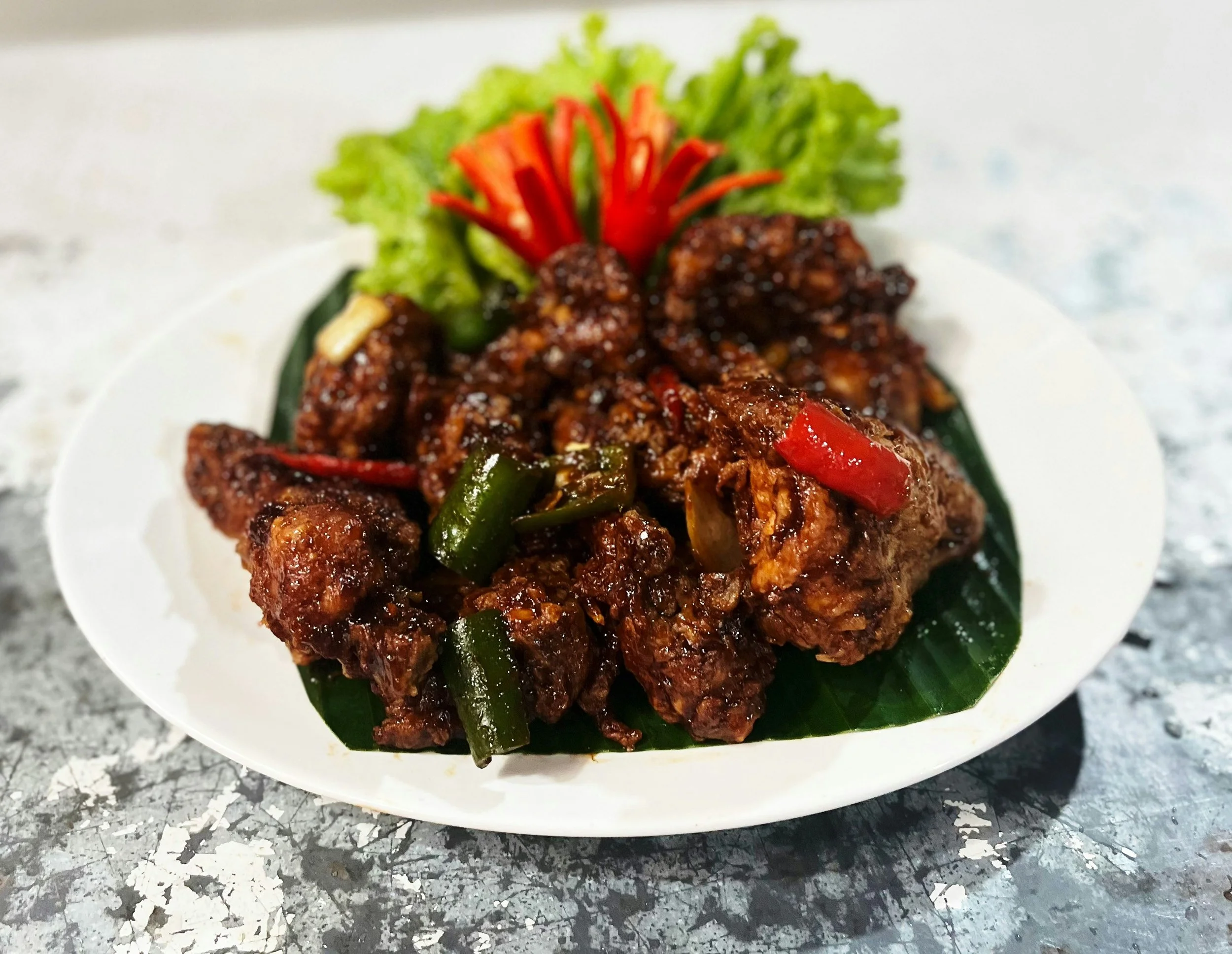
Bali’s food scene has exploded in quality over the past decade. You’ll find everything from traditional warungs (small family restaurants) serving nasi goreng and satay to world-class fine dining.
Restaurants Worth Seeking Out
Locavore in Ubud is Bali’s most acclaimed restaurant, focusing on Indonesian ingredients with modern technique. It’s consistently ranked among Asia’s best restaurants. Book weeks in advance.
Mozaic in Ubud offers tasting menus with European technique and Indonesian influences in a romantic garden setting. Excellent wine list and professional service.
Merah Putih in Seminyak serves modern Indonesian cuisine in a dramatic space with soaring ceilings. The rijsttafel (Indonesian rice table) is excellent.
Sundara Beach Club at Four Seasons Jimbaran Bay offers excellent coastal dining with fresh seafood and beautiful beachfront setting. Less scene-y than other beach clubs, better food.
Bambu at COMO Uma Ubud focuses on traditional Indonesian recipes presented beautifully. The tasting menu is a excellent introduction to Indonesian cuisine beyond the basics.
Casual and Local Favorites
Warung Biah Biah in Seminyak serves excellent Indonesian food at very reasonable prices in a simple setting. This is where expats go for good local food.
Bebek Bengil (Dirty Duck Diner) in Ubud is famous for crispy duck. It’s touristy but the food is genuinely good and the rice paddy setting is lovely.
Naughty Nuri’s in Ubud and Seminyak is known for BBQ ribs and strong martinis. It’s casual, fun, and consistently good.
Street food in Bali requires caution. Stick to busy places with high turnover, avoid raw vegetables and unpeeled fruit, and be mindful of ice in drinks. When in doubt, eat at restaurants rather than street stalls.
Cooking Classes
Many resorts offer cooking classes, or you can book standalone experiences. Look for classes that include market visits to see ingredients and understand Balinese food culture. Half-day classes typically cover 4-5 dishes and provide recipes to take home.
Wellness and Spa Experiences
Bali has become one of Asia’s top wellness destinations. The combination of spiritual culture, lush environment, and competitive pricing creates an ideal setting for yoga, meditation, and spa treatments.
Best Spa Experiences
COMO Shambhala Estate offers multi-day wellness programs with spa treatments, yoga, healthy cuisine, and holistic consultations. It’s comprehensive and serious, not just pampering.
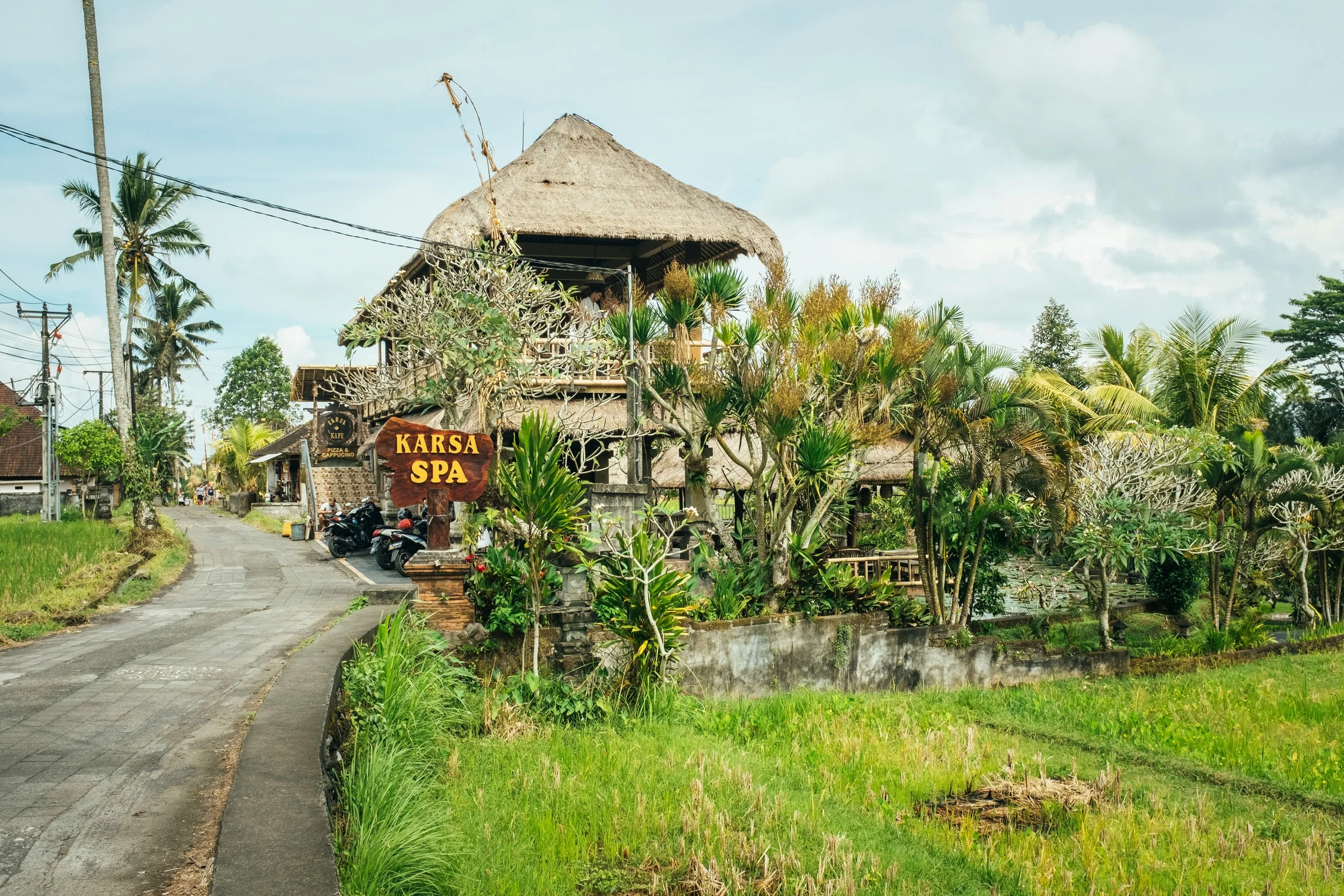
Karsa Spa near Ubud provides traditional Balinese massage and treatments in an open-air jungle setting. It’s authentic, affordable, and highly rated.
Theta Spa at Capella Ubud offers treatments in beautiful pavilions overlooking the jungle. The setting enhances the experience significantly.
Most luxury resorts have excellent spas. Balinese massage focuses on stretching and pressure points rather than Swedish-style relaxation. The traditional treatments often incorporate local ingredients like coffee, coconut, and spices.
Yoga and Meditation
Yoga Barn in Ubud offers drop-in classes, workshops, and teacher training in a beautiful multi-studio complex. It’s the center of Ubud’s yoga scene.
The Practice in Canggu provides excellent classes in a modern studio with good instruction and less spiritual/hippie vibe than some Bali yoga spaces.
Many resorts offer complimentary yoga classes for guests, often in spectacular settings like jungle pavilions or beach platforms at sunrise.
Day Trips and Multi-Region Itineraries
Bali is small enough that day trips work well, though traffic can make them longer than distances suggest.
Worthwhile Day Trips from Ubud
Mount Batur sunrise trek (2.5 hours before dawn start, returning mid-morning)
North Bali temples and waterfalls (Ulun Danu Beratan temple, Gitgit waterfall, Munduk for lunch)
East Bali (Tirta Gangga water palace, Lempuyang Temple with its famous split gates)
Jatiluwih Rice Terraces combined with Tanah Lot sunset
Day Trips from Seminyak/Uluwatu
Ubud for temples, rice terraces, and lunch (full day)
Nusa Penida island by speedboat (dramatic cliffs, Kelingking Beach, Angel’s Billabong)
Sanur and East Bali temples
Traffic between regions is often heavy, especially between the beach areas and Ubud. What looks like a 45-minute drive can easily take 90 minutes. Factor this into day trip planning and start early.
Sample 7-10 Day Itinerary
Here’s a balanced itinerary covering Bali’s highlights for a first visit:
7-Day Itinerary: Jungle and Beach
Days 1-3: Ubud (3 nights)
-
Day 1: Arrive, settle into resort, easy exploration of Ubud town
-
Day 2: Morning visit to Tegalalang Rice Terraces (go early), afternoon at resort spa, evening traditional dance performance
-
Day 3: Full day with Tirta Empul water temple, lunch in rice paddies, afternoon cooking class
Days 4-7: Uluwatu (4 nights)
-
Day 4: Morning at leisure, afternoon transfer to Uluwatu (stop at Tanah Lot if timing works), settle into resort
-
Day 5: Resort day with beach time, spa treatment, sunset at hotel
-
Day 6: Morning surfing or beach, afternoon visit Uluwatu Temple, evening Kecak fire dance
-
Day 7: Day trip to Nusa Penida or relaxed final day, evening departure or overnight near airport
10-Day Itinerary: Comprehensive Bali
Days 1-4: Ubud (4 nights)
-
Day 1: Arrive, resort time, gentle introduction to Ubud
-
Day 2: Rice terraces, monkey forest, evening in town
-
Day 3: Mount Batur sunrise trek (early start), afternoon spa recovery
-
Day 4: Tirta Empul, Besakih Temple, traditional villages, cooking class
Days 5-7: Uluwatu (3 nights)
-
Day 5: Transfer to Uluwatu, settle in, easy beach afternoon
-
Day 6: Beach day with water activities, evening Uluwatu Temple and dance
-
Day 7: Beach clubs or spa day
Days 8-10: Seminyak (3 nights)
-
Day 8: Transfer to Seminyak, shopping and dining exploration
-
Day 9: Beach day, sunset at beach club, excellent dinner
-
Day 10: Morning beach walk, shopping, departure or final night near airport
This routing moves from interior to coast, ending near the airport in Seminyak for easy departure.
Considerations for Multi-Region Trips
Private drivers for transfers between regions cost approximately $50-80 depending on distance and can stop at sights along the way. This is far preferable to trying to manage luggage in a taxi or ride-sharing service.
Avoid back-and-forth routing. If you visit Ubud and Uluwatu, don’t then go back to Canggu. Move in one direction to minimize transit time.
Consider flying out of Ngurah Rai Airport directly rather than staying near the airport. Many international flights depart late evening, allowing you to spend your final day at your beach resort and go straight to the airport.
Practical Information
Visa Requirements
Most nationalities (including US, Canada, EU, UK, Australia) can obtain a visa on arrival for 30 days (extendable once for another 30 days) for $35 USD. The process is straightforward at Ngurah Rai Airport. Bring exact cash in USD.
Best Time to Visit
Dry season (April-October) is peak travel time. May, June, and September are ideal, with lower crowds than July-August but still reliable weather. Expect hot, humid days (85-90°F) with occasional afternoon showers even in dry season.
Wet season (November-March) brings more rain, often in afternoon thunderstorms rather than all-day rain. December-February are wettest months. January can actually be pleasant with fewer crowds and lower prices, accepting some rainy days.
Avoid Indonesian public holidays (especially Nyepi in March, when the entire island shuts down for the day of silence) and Chinese New Year when domestic tourism peaks.
Common Scams and How to Avoid Them
Temple guides: Unofficial “guides” at popular temples will insist their services are mandatory and charge inflated fees. They’re not required. If you want a guide, arrange through your hotel.
Taxi scams: Use official taxis (Blue Bird is most reliable) or Grab/Gojek apps. Agree on fares before getting in non-metered taxis.
Money changers: Use official money changers or hotel services. Street money changers often short-change tourists through quick counting tricks.
Fake water bottles: Occasionally, sealed water bottles are actually refilled tap water. Check seals carefully or buy from reputable shops.
Massage and spa touts: Aggressive salespeople on streets and beaches will follow you pushing services. Polite but firm “no thank you” and keep walking. Book treatments through hotels or established spas.
Health and Safety
Drink only bottled water. Avoid ice in drinks outside of established restaurants. Be cautious with raw vegetables and fruits that can’t be peeled.
Traffic is chaotic. Avoid renting scooters unless you’re an experienced rider. Hiring drivers is safer and not expensive.
Sun is intense. Use high SPF sunscreen, reapply frequently, and bring protection for water activities.
Dengue fever exists in Bali. Use mosquito repellent, especially during wet season.
Getting Around
Private driver: Most economical and convenient for touring. Expect $50-80 per day including driver and fuel. Book through your hotel.
Grab/Gojek: Ride-sharing apps work well for point-to-point trips within regions. However, there’s ongoing conflict between app drivers and traditional taxi drivers, leading to occasional tension.
Scooter rental: Popular with younger travelers and long-term visitors. Traffic is chaotic, roads can be dangerous, and international driver’s licenses are required (though rarely checked). We don’t recommend this for short-term luxury travelers.
Resort transfers: Many luxury resorts offer airport transfers (sometimes included, sometimes additional fee). This is the easiest option for arrival and departure.
Money Matters
Indonesian Rupiah (IDR) is the local currency. Exchange rates fluctuate but are roughly 15,000-16,000 IDR to 1 USD.
ATMs are widely available. Bring a card with no foreign transaction fees.
Credit cards are accepted at hotels, upscale restaurants, and established shops. Cash is needed for small purchases, drivers, and local restaurants.
Tipping isn’t traditionally expected but is appreciated in tourist areas. 10% at restaurants, round up for drivers, $5-10 per day for hotel staff who provide exceptional service.
We cover detailed budgeting for luxury travel in our guide on the real cost of travel.
Making the Most of Bali
Bali can be magical or frustrating, often within the same day. The key is managing expectations, choosing the right regions for your interests, and staying in properties that provide sanctuary from the chaos.
Traffic is real and can be maddening. Build buffer time into plans. When deciding between accommodation options, consider location carefully. An extra 20 minutes of daily traffic adds up quickly over a week.
Tourist crowds concentrate in specific areas at specific times. Go to popular sights very early morning or late afternoon. Consider lesser-known alternatives when possible.
Bali rewards slow travel. Resist the urge to see everything. Pick 2-3 regions maximum, give yourself time at resorts, and embrace relaxation alongside sightseeing.
The island works well for multi-region trips that combine different experiences. Our multi-city trip planning guide covers principles that apply here too, though at a smaller geographic scale.
If planning a comprehensive Bali trip feels overwhelming, particularly coordinating multiple regions, resort bookings, and activities, that’s exactly what our trip planning service handles. We’ve built dozens of Bali itineraries that balance jungle and beach, activity and relaxation, culture and luxury, based on specific travel styles and interests.
Bali deserves its popularity. When done right, combining the right regions with the right properties at the right time of year, it delivers an extraordinary experience that justifies all the hype.