Shoulder Season Travel: The Secret to Better Trips and Lower Prices
Here’s something most travelers don’t realize: the difference between visiting Paris in July versus late September isn’t just a matter of weather or crowd levels. It’s the difference between waiting 90 minutes to enter the Louvre and walking right in. Between paying $500 per night for a hotel and paying $250 for the same room. Between fighting for space at a sidewalk cafe and leisurely choosing your table.
That September trip isn’t off-season. It’s shoulder season, and it’s the smartest way to travel if you know how to do it right.
We plan trips year-round, and we’ve seen the dramatic difference that timing makes. Shoulder season travel isn’t about settling for second-best or catching destinations at their worst. It’s about experiencing places at their actual best, when the weather is still excellent, the attractions are all open, but the summer hordes have gone home and prices have dropped by 30-50%.
Let’s break down everything you need to know about shoulder season travel.
What Shoulder Season Actually Means
Shoulder season is the period between peak season and off-season. It’s when destinations are still operating at full capacity but haven’t yet hit (or have just passed) their busiest, most expensive period.
Here’s the catch: shoulder season varies dramatically by destination. There’s no universal shoulder season calendar. What works in Europe doesn’t apply to Southeast Asia or South America.
Europe’s shoulder season is typically April to early June and September to October. Summer (July-August) is peak season across most of the continent. Winter is off-season, though December markets create a mini peak season.
The Caribbean’s shoulder season runs from late April through early June and again in November. Peak season is winter (December through March) when North Americans escape cold weather. Hurricane season (June through November) is technically off-season, though many travelers successfully visit during this period.
Southeast Asia has more complex patterns. Thailand’s shoulder season might be June-July and September-October, between the cooler dry season (peak) and heavy monsoon rains (off-season). But this varies significantly between regions within countries.
Japan has distinct shoulder seasons in late May to early June (after Golden Week, before summer heat) and late November (after fall foliage peak, before winter sports season).
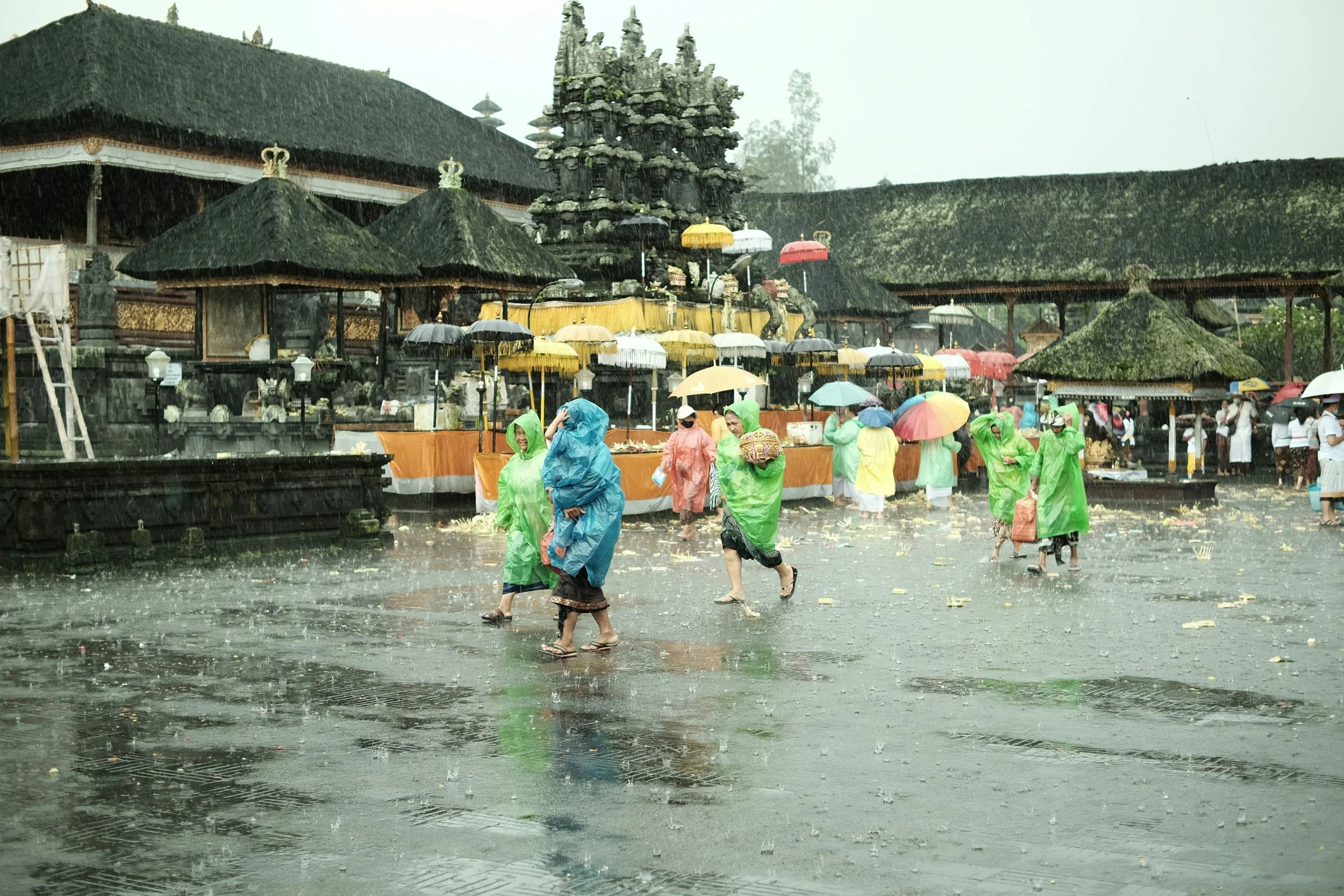
The point is this: you can’t just decide “I’ll travel shoulder season” without understanding what that means for your specific destination. The timing that gives you perfect weather and fewer crowds in Italy might put you in monsoon season in Bali.
The Real Advantages of Shoulder Season
Let’s talk about what you actually gain by traveling shoulder season. This isn’t theoretical. These are tangible benefits that transform your trip.
Significantly lower prices
This is the obvious one, but the savings are often more dramatic than people expect. Hotel rates typically drop 30-50% compared to peak season. Flights can be 20-40% cheaper. Even on-the-ground costs like tours and activities often have lower rates.
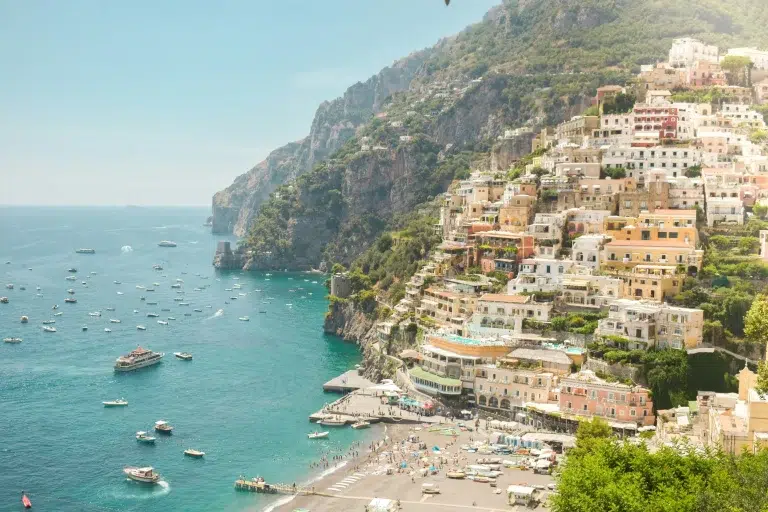
A trip to the Amalfi Coast that costs $5,000 for a couple in August might run $3,000-3,500 in late September or early October for the exact same experience, maybe better.
We’ll show real pricing comparisons later, but understand that shoulder season isn’t about finding marginal deals. The savings are substantial enough to either upgrade your trip significantly or extend it by several days for the same budget.
Fewer crowds at major attractions
Peak season at major European sights means long security lines, timed entry tickets booked weeks in advance, crowds that make photography frustrating, and packed spaces that diminish the actual experience.
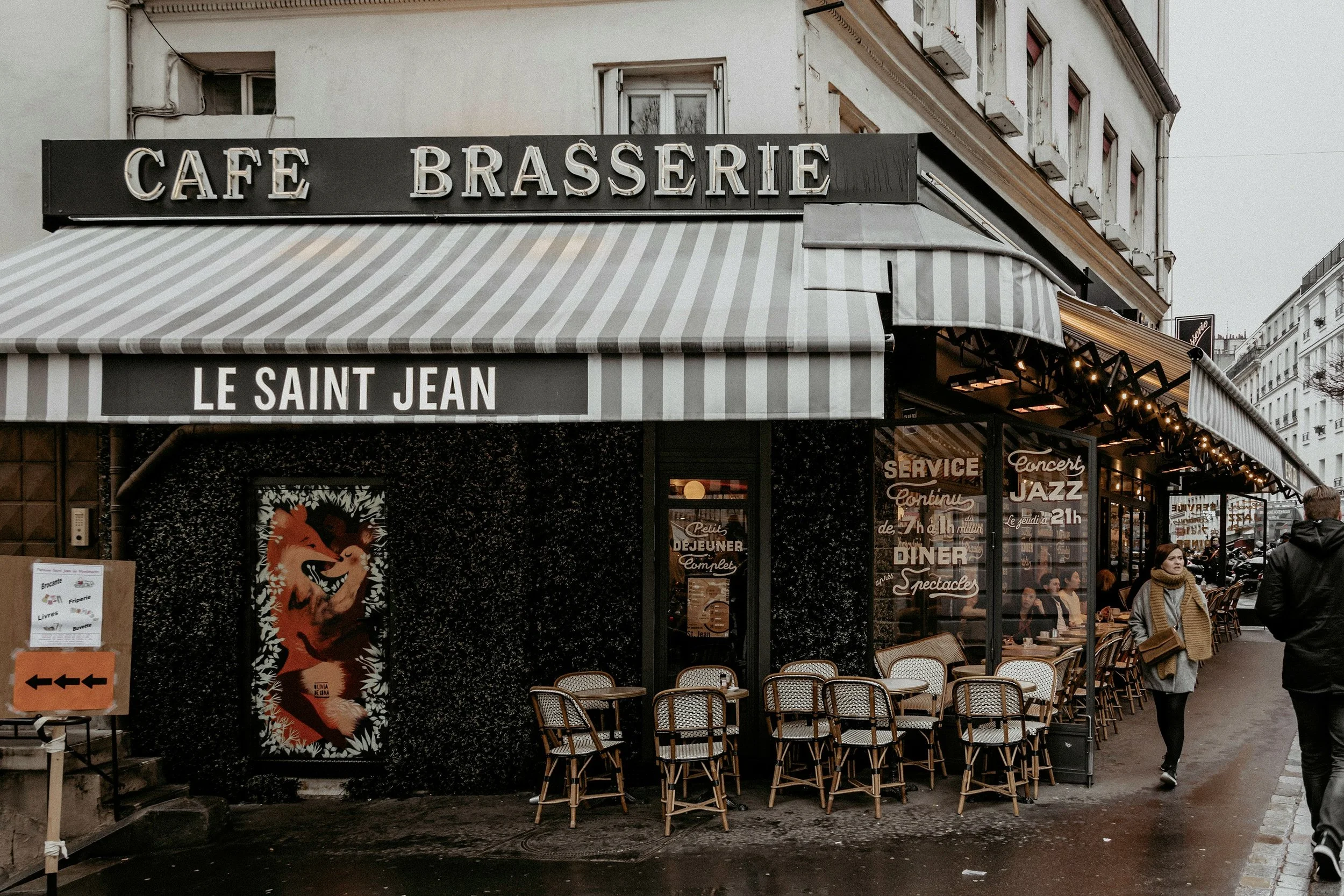
Shoulder season means shorter lines, easier access, and actually being able to appreciate what you’re seeing. You can linger at the Trevi Fountain without being elbowed by tour groups. You can sit in Parisian cafes without reservations. You can visit Positano’s beaches without fighting for space.
The difference isn’t subtle. It fundamentally changes how enjoyable the experience is.
Better service and attention
Hotels and restaurants during peak season are operating at maximum capacity. Staff are stretched thin, service can be rushed, and you’re just one of hundreds of guests competing for attention.
Shoulder season means the same properties are operating at 60-70% capacity. Your hotel concierge actually has time to help plan your day. Restaurant staff aren’t frantically turning tables. Guides on tours can answer questions without rushing to the next group.
You get the full experience these places are designed to offer rather than the overwhelmed peak season version.
More authentic local atmosphere
Peak season in popular destinations often feels like visiting a theme park version of a place rather than the actual place. Locals adjust their behavior and businesses cater exclusively to tourists. The rhythm of normal life gets overwhelmed by tourist infrastructure.
Shoulder season brings more authentic experiences. Locals reclaim their cities and towns. Restaurants that serve only tourists during peak season return to serving locals. You see how places actually function rather than how they perform for peak season crowds.
Easier logistics and flexibility
During peak season, everything requires advance planning. Hotels book up months ahead. Restaurants need reservations weeks in advance. Popular tours sell out. You’re locked into rigid plans.
Shoulder season offers flexibility. You can book hotels a few weeks out and still get excellent options. You can decide where to have dinner that morning rather than months in advance. If you love a place and want to stay an extra night, you can usually make it happen.
This flexibility makes trips more relaxed and allows you to follow your interests rather than your pre-booked schedule.
The Trade-Offs You Need to Understand
Shoulder season isn’t perfect. There are real trade-offs, and pretending they don’t exist sets you up for disappointment. Here’s what you’re actually dealing with:
Weather variability
Peak seasons exist for reasons. They typically offer the most reliable weather. Shoulder season means more variability and higher chances of rain or temperature swings.
September in Paris might be 75 and sunny, or it might be 60 and drizzly. April in Greece could be perfect beach weather or too cool for swimming. You’re trading guaranteed ideal conditions for pretty good conditions most of the time.
For some people, this trade-off is completely worth it. For others, particularly those with limited vacation time or specific activities in mind (beach vacation, skiing), the weather uncertainty is a dealbreaker.

Some seasonal closures
Certain businesses, especially in resort areas, operate seasonally. Beach clubs on the Amalfi Coast start closing in late October. Some hotels in Greek islands shut down entirely by November. Certain tours or activities may have reduced schedules.
This matters more in some destinations than others. Major cities operate year-round. But resort destinations and smaller towns may have limited options outside peak season.
Research is critical here. You need to know what will and won’t be open during your specific travel dates.
Shorter daylight hours
If you’re traveling shoulder season in spring or fall, you have fewer hours of daylight than summer peak season. This matters for sightseeing, photography, and how much you can pack into a day.
In Europe, late October means sunset around 6pm versus 9pm in July. That’s three fewer hours of useful daylight. For some trips, that’s fine. For others, it’s a significant limitation.
Possible festival or event conflicts
Shoulder seasons sometimes coincide with local festivals, holidays, or events that temporarily create peak season conditions and pricing. Oktoberfest in Munich, fashion weeks in Milan and Paris, marathon weekends in major cities.
These can be great if you want to experience them or problematic if you don’t. Check local calendars for your travel dates to avoid surprises.
Best Shoulder Season Destinations by Month
Let’s get specific about when and where shoulder season travel works best. This isn’t exhaustive, but it gives you a framework.
April
Europe: Southern Europe warms up. Spain, Portugal, Southern Italy, and Greece are excellent. Northern Europe is still cool but workable.
Asia: Japan (late April after cherry blossoms) and Southeast Asia before monsoon season starts.
Caribbean: Late April is tail end of peak season but crowds are thinning.
May
Europe: One of the best months for almost anywhere in Europe. France, Italy, Spain, Greece, Croatia all excellent. Still cool in Scandinavia but daylight hours are long.
Peru: Dry season begins, perfect for Machu Picchu before peak June-August crowds.
June
Europe: Early June before school holidays is perfect throughout Europe. Late June starts creeping into peak season.
Scandinavia: Prime time with long days and good weather.
September
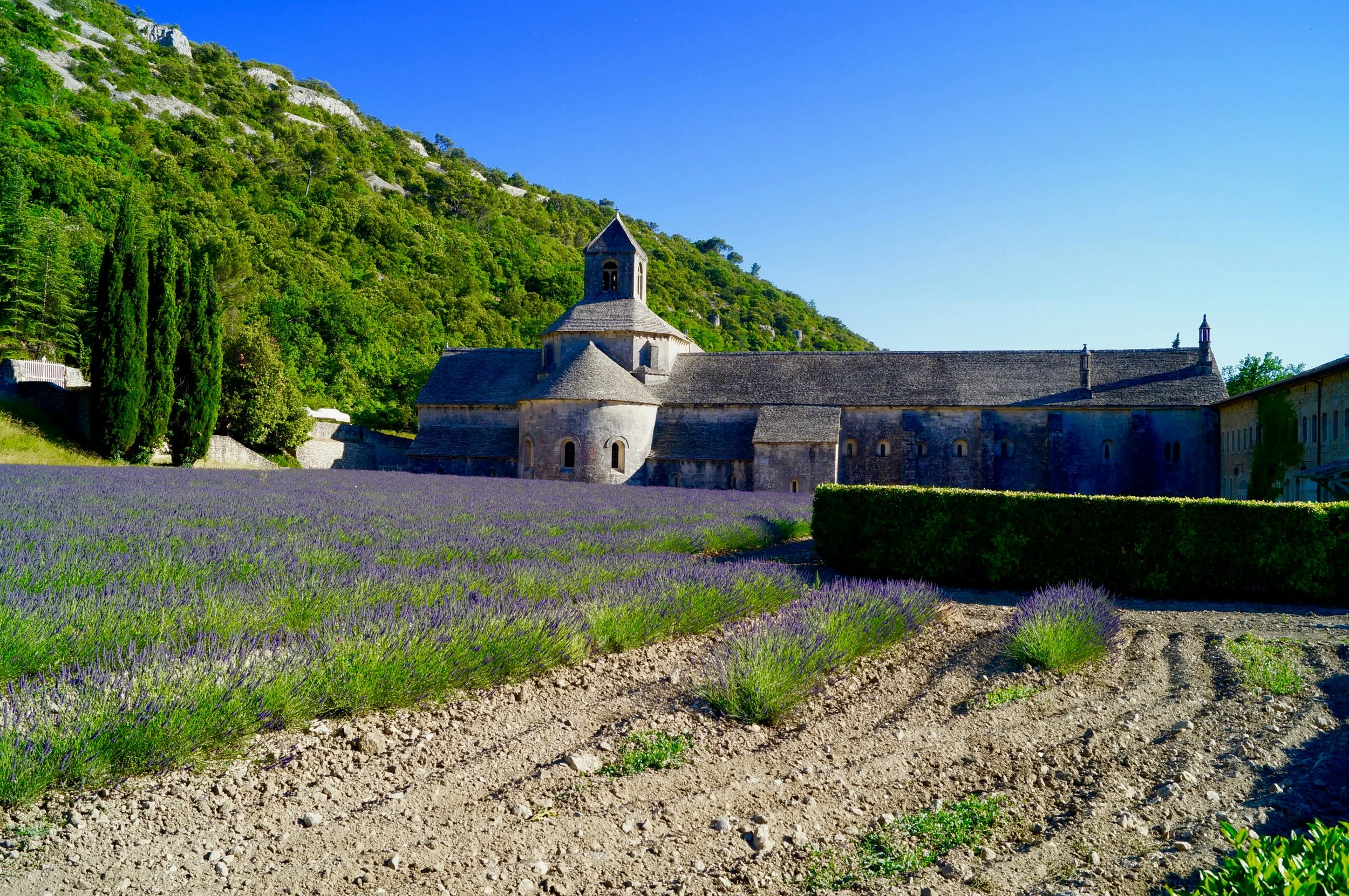
Europe: The golden month for Europe. Fantastic weather, summer crowds gone, everything still open. Our top recommendation for first-time European travelers.
Canada: Fall colors starting, good weather, summer peak has passed.
October
Europe: Early October is still excellent for Southern Europe (Italy, Greece, Spain). Northern Europe gets cooler but less crowded.
Egypt and Jordan: Weather cools from brutal summer heat but tourist crowds haven’t arrived yet.
Japan: Late October to early November for fall foliage without peak crowds.
November
Southeast Asia: Start of dry season in many areas, fewer crowds than December-February peak.
Caribbean: Hurricane season technically continues but late November often has great weather and low prices.
Egypt: Excellent weather and manageable crowds.
March
Japan: Late March to early April for cherry blossoms (this is moving into peak season).
Europe: Very early shoulder season. Southern Europe is better than Northern. Hit or miss on weather.
Remember, these are generalizations. Always research your specific destination’s climate patterns and seasonal events.
How to Research Shoulder Season for Any Destination
Here’s our process for determining shoulder season timing for any destination:
Start with climate data
Look up average temperatures, rainfall, and daylight hours by month. Weather.com and similar sites have historical averages. You want to find the sweet spot where weather is still good but not peak season perfect.
For beach destinations, pay special attention to water temperature and rain patterns. For cities, moderate temperatures often matter more than avoiding all rain.
Check hotel pricing patterns
Look at the same hotel’s rates across different months on their website or booking platforms. You’ll see clear peaks and valleys. The shoulder months are where prices drop significantly but aren’t at rock-bottom off-season levels.
This also tells you when destinations consider their seasons, which isn’t always what you’d expect.
Research what’s open
Read recent travel blogs and forums for trip reports from shoulder season months. People will mention if major attractions were closed, if restaurants had limited hours, or if the destination felt too quiet.
TripAdvisor forums and destination-specific travel forums are good for this. Look for reports from the specific weeks you’re considering, not just the general month.
Look at tour operator and cruise schedules
When do major tour companies and cruise lines operate in that destination? Their schedules reflect when destinations are most operational and accessible, even if they’re also targeting peak season for maximum profit.
If tour companies don’t operate somewhere in November, it might be truly off-season rather than shoulder season.
Check local events calendars
Google “[destination] events calendar” and look at what’s happening during your potential travel dates. You want to avoid accidentally landing during a major festival that creates peak pricing, or conversely, you might want to time your visit to catch something interesting.
Talk to locals or travel advisors familiar with the destination
This is where expertise matters. People who know a destination well can tell you that “shoulder season” in Santorini means late May/early June and September, but not October when many businesses close despite decent weather.
Our trip planning service exists partly for this reason. We’ve researched seasonal patterns for dozens of destinations and can tell you exactly when shoulder season sweet spots occur.
Real Pricing Comparisons: Peak vs Shoulder
Let’s look at actual numbers from real destinations. These are approximate but representative:
Amalfi Coast: August (peak) vs Late September (shoulder)
Hotel: Positano boutique hotel
-
August: $650/night
-
Late September: $380/night
-
Savings: $270/night ($1,890 for 7 nights)
Flights: US to Naples roundtrip
-
August: $1,400
-
Late September: $950
-
Savings: $450 per person
Beach club: Daily sunbed rental
-
August: €50
-
Late September: €35
-
Savings: €15/day
Total savings for a couple on a week-long trip: Approximately $3,500-4,000
The September experience is arguably better. The weather is still excellent (often warmer water than early August), crowds are manageable, and everything is open. You’re not sacrificing anything except the guarantee of zero rain. (Check out our Amalfi Coast guide for more on timing your visit.)
Paris: July (peak) vs Early October (shoulder)
Hotel: 4-star in the 6th arrondissement
-
July: $425/night
-
Early October: $265/night
-
Savings: $160/night ($1,120 for 7 nights)
Flights: US to Paris roundtrip
-
July: $1,200
-
Early October: $750
-
Savings: $450 per person
Total savings for a couple: Approximately $2,500-3,000
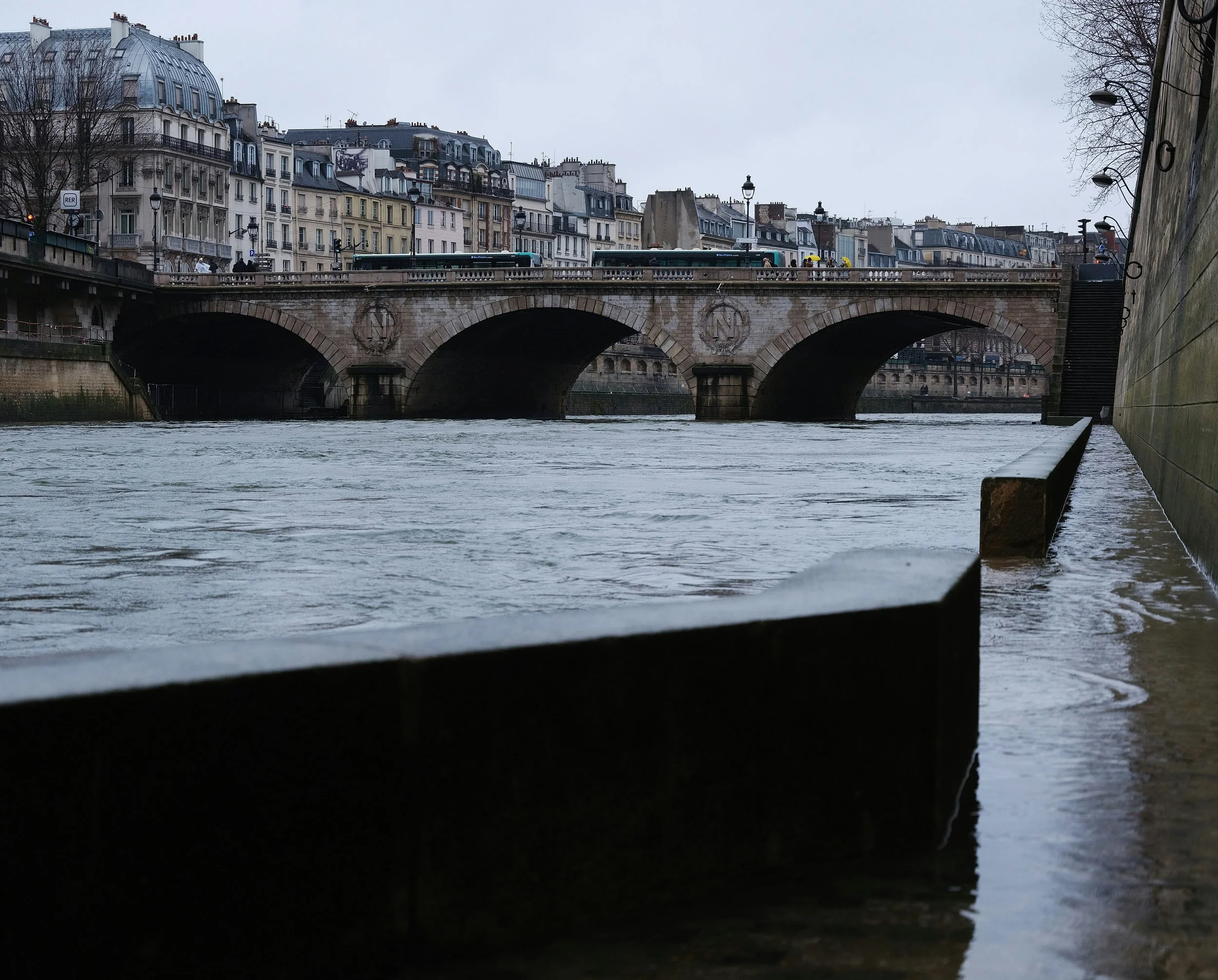
October in Paris is lovely. It’s cooler than July, but that often makes sightseeing more pleasant. Museums and attractions are less crowded. Cafes are more accessible. The trade-off is shorter days and higher rain probability.
Santorini: July (peak) vs Late May (shoulder)
Hotel: Cave hotel with caldera views
-
July: $550/night
-
Late May: $320/night
-
Savings: $230/night ($1,610 for 7 nights)
Flights: European airport to Santorini
-
July: €350
-
Late May: €180
-
Savings: €170 per person
Total savings for a couple: Approximately $2,500-3,000
Late May Santorini has excellent weather, everything is open, and you avoid the absolute madness of July-August when the island is overwhelmed. The water might be slightly cooler, but the experience is significantly better.
The pattern is consistent: shoulder season typically saves 30-50% on accommodations and 20-30% on flights. For a couple spending a week somewhere, that’s often $2,000-4,000 in savings.
Those savings let you either travel more often, stay longer, upgrade your accommodations, or allocate more budget to experiences and dining. We cover this budget planning in detail in our guide on the real cost of travel.
Our Framework for Deciding If Shoulder Season Is Right for You
Shoulder season isn’t automatically better for everyone or every trip. Here’s how to determine if it’s the right choice:
Choose shoulder season when:
Budget is a significant consideration. If cost savings of 30-40% would meaningfully impact what you can afford or how long you can stay, shoulder season makes sense.
Crowds negatively impact your enjoyment. Some people don’t mind crowds. Others find them genuinely stressful and trip-ruining. If you’re in the latter category, shoulder season is often worth minor weather trade-offs.
You have flexibility on timing. If you can choose when to take vacation, optimize for shoulder season rather than defaulting to summer.
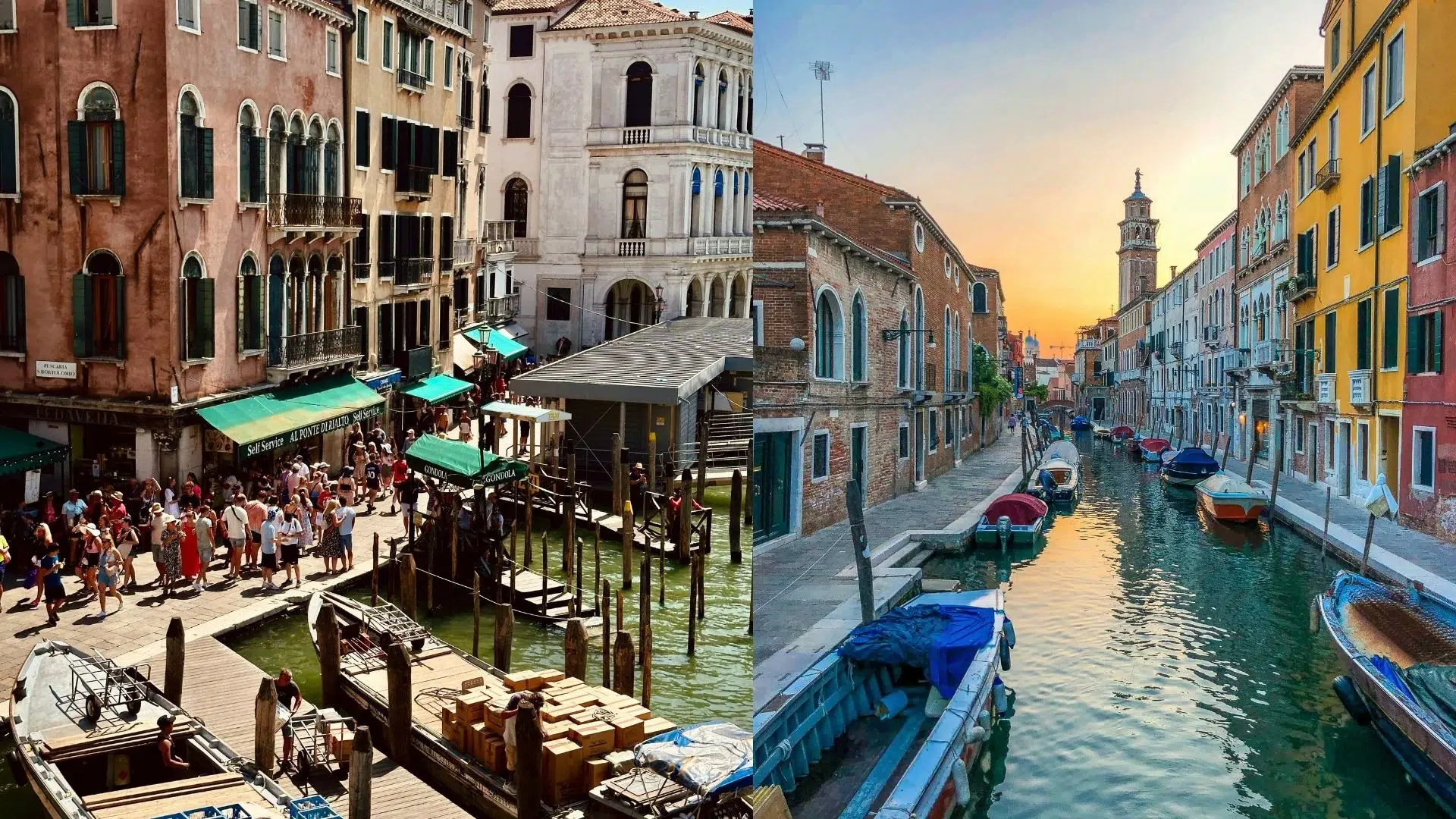
You’re visiting very popular destinations. Places like Venice, Santorini, Barcelona, and the Amalfi Coast are dramatically better outside peak season. The difference is transformative, not marginal.
You value authentic experiences over guaranteed perfect weather. If experiencing how locals actually live matters more than guaranteed beach weather, shoulder season delivers.
You’re traveling for culture, food, and exploration rather than specific activities. Sightseeing, museums, restaurants, walking around cities, these all work great in shoulder season.
Stick with peak season when:
Your trip depends on specific weather conditions. Beach vacations where swimming is essential, hiking trips where you need dry trails, skiing obviously. If weather matters that much, pay for peak season reliability.
You have extremely limited time. If you get one week off per year and can’t risk any rain or closures, peak season’s predictability might be worth the premium.
You’re traveling with people who need structure and predictability. Some travelers (often older adults or those with specific needs) genuinely prefer the full infrastructure of peak season even with crowds and costs.
The destination’s shoulder season is genuinely problematic. Some places have shoulder seasons that coincide with monsoons, extreme heat, or widespread closures. Research matters here.
You actually want to experience the peak season energy. Some destinations are most exciting during peak season. Greek islands in summer have a party atmosphere. Christmas markets in Europe are peak season for a reason. If that’s what you want, embrace it.
Questions to ask yourself:
-
How much would saving 30-40% of my trip cost matter to my overall budget or travel frequency?
-
How much do crowds genuinely bother me versus just mildly annoy me?
-
Is there a specific activity that requires specific weather, or am I just generally hoping for nice weather?
-
Am I visiting a place so popular that peak season crowds will actively diminish the experience?
-
Do I have flexibility to adjust plans if weather isn’t perfect?
Be honest with yourself. Don’t force shoulder season travel if you’ll spend the whole trip anxious about weather or disappointed by occasional rain.
Making Shoulder Season Work
If you’ve decided shoulder season is right for your trip, here’s how to maximize the experience:
Build in weather flexibility
Don’t plan every day to the minute. If you have a rainy day, shift your museum visits to that day and save outdoor activities for better weather. Having flexible itineraries makes shoulder season weather variability a minor inconvenience rather than a major problem.
Research closures in advance
Check if specific restaurants, attractions, or hotels you care about will be open. Most properties list their seasonal schedules on websites. A quick email asking about October hours can prevent disappointment.
Pack layers
Shoulder season weather varies more day to day and throughout each day. Bring clothing that layers well so you’re comfortable whether it’s 60 or 75 degrees.
Book refundable when possible
If weather is genuinely terrible or a hotel you wanted is unexpectedly closed, refundable bookings give you options to adjust. The small premium for refundability is often worth it for shoulder season trips.
Embrace the quiet
Part of shoulder season’s appeal is the lower-key vibe. Don’t expect the bustling energy of peak season. Instead, enjoy the more relaxed pace, the ability to interact more with locals, and the feeling of having discovered places that aren’t overrun.
Common Shoulder Season Misconceptions
Let’s clear up some myths:
“Shoulder season means bad weather.” No. It means variable weather and less reliable weather. Most shoulder season days are perfectly pleasant. You might get one rainy day in a week rather than zero.
“Everything is closed.” In truly off-season, yes. In shoulder season, no. Most attractions, hotels, and restaurants operate normally. You might find reduced hours or some seasonal businesses closed, but the destination is fundamentally functional.
“The savings aren’t worth it.” The savings are substantial, typically thousands of dollars for a couple’s week-long trip. That’s real money that can fund another trip or significantly upgrade your experience.
“Only budget travelers do shoulder season.” Luxury travelers often prefer shoulder season specifically because they get better service, easier access to exclusive experiences, and more authentic interactions without summer chaos.
Final Thoughts
Shoulder season travel isn’t a compromise. For many trips and many travelers, it’s objectively better than peak season. You save money, avoid crowds, get better service, and often have more authentic experiences.
The catch is that it requires more research, more flexibility, and acceptance that weather might not be perfect. For some people and some trips, that’s an easy trade-off. For others, it’s not.
Figure out which category you fall into, do your research for your specific destination and dates, and plan accordingly. There’s no universal right answer, but there’s probably a right answer for your specific trip.
If you’re planning a trip and want help determining the best timing, including whether shoulder season makes sense for your specific destination and circumstances, we navigate these decisions constantly. Our trip planning service includes timing recommendations as part of our planning process, ensuring you get the optimal balance of weather, crowds, pricing, and experience for your priorities.
Shoulder season might be the secret to better trips and lower prices, but only if you do it right.