Amalfi Coast Travel Guide: Positano, Ravello, and Beyond
The Amalfi Coast is one of those places that looks almost too beautiful to be real. Pastel villages stacked impossibly on cliffsides, winding roads that hug the Mediterranean, lemon groves clinging to terraced hillsides, and some of the best food in Italy. It’s the kind of destination that shows up in daydreams and screensavers.
But here’s what the photos don’t show you: the narrow roads packed with tour buses, the crowds flooding off cruise ships, the challenge of getting from one town to another, and the logistics of actually experiencing this stunning coastline without losing your mind.
We’ve planned dozens of Amalfi Coast trips and spent considerable time exploring the region ourselves. This is everything you need to know to actually enjoy the Amalfi Coast, from choosing the right base town to navigating the coastal road to finding the perfect beach club.
Understanding the Amalfi Coast
The Amalfi Coast stretches roughly 30 miles along the southern side of the Sorrentine Peninsula. The main coastal road, the SS163, connects a string of towns, each with its own character and appeal. This isn’t a place you “do” in a day trip from Rome (though people try). It deserves at least 3-4 nights, ideally more.
The coast is divided into a few key areas. The western end includes Positano and Praiano. The central section has the town of Amalfi itself. The eastern portion includes Minori, Maiori, and eventually Salerno. And perched high above it all is Ravello, technically part of the coast but a world unto itself.
Each town offers something different, and where you stay will significantly impact your experience. We’ve written more about choosing the right destination that matches your travel style, but here’s what makes each Amalfi Coast town unique.
Town-by-Town Breakdown
Positano
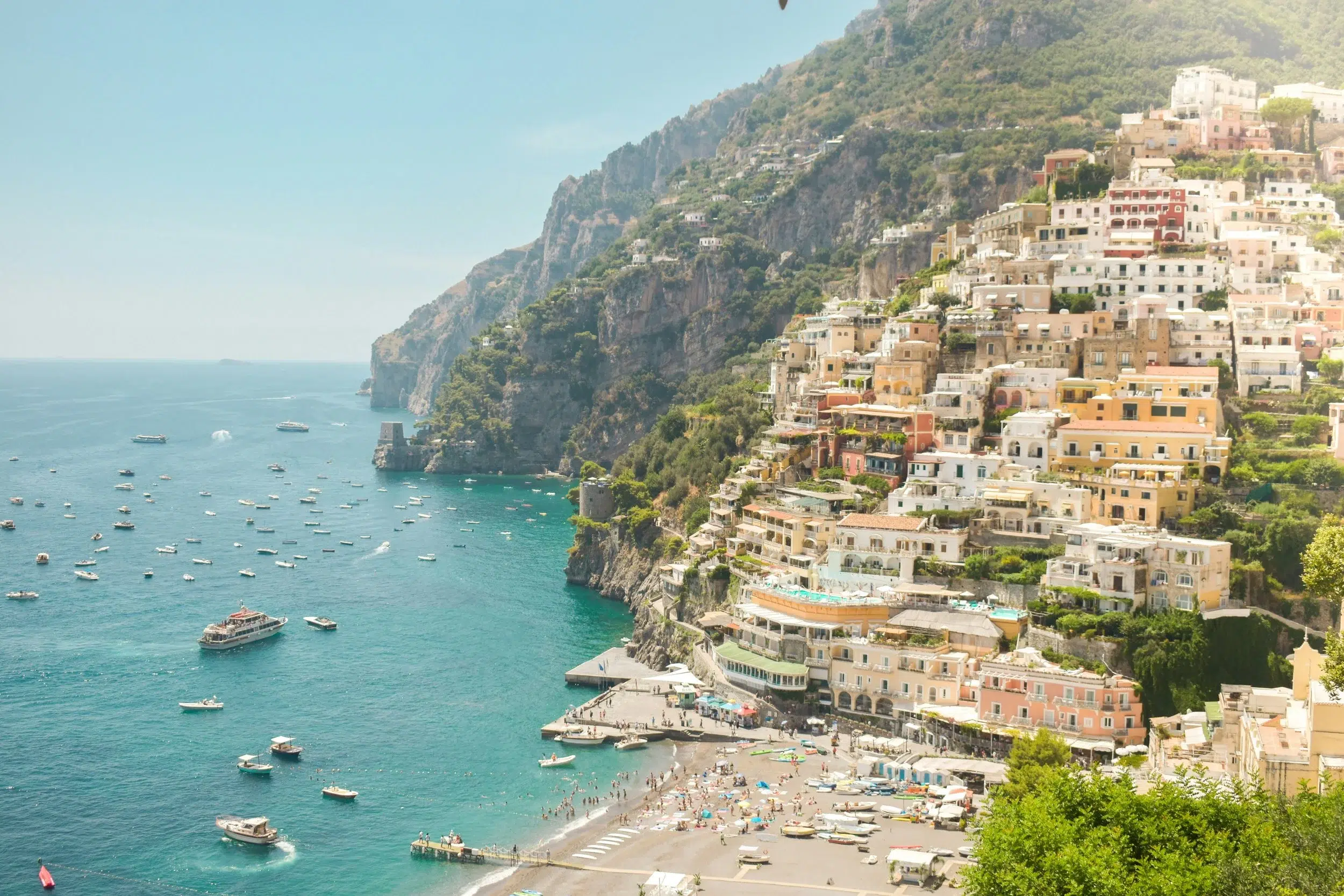
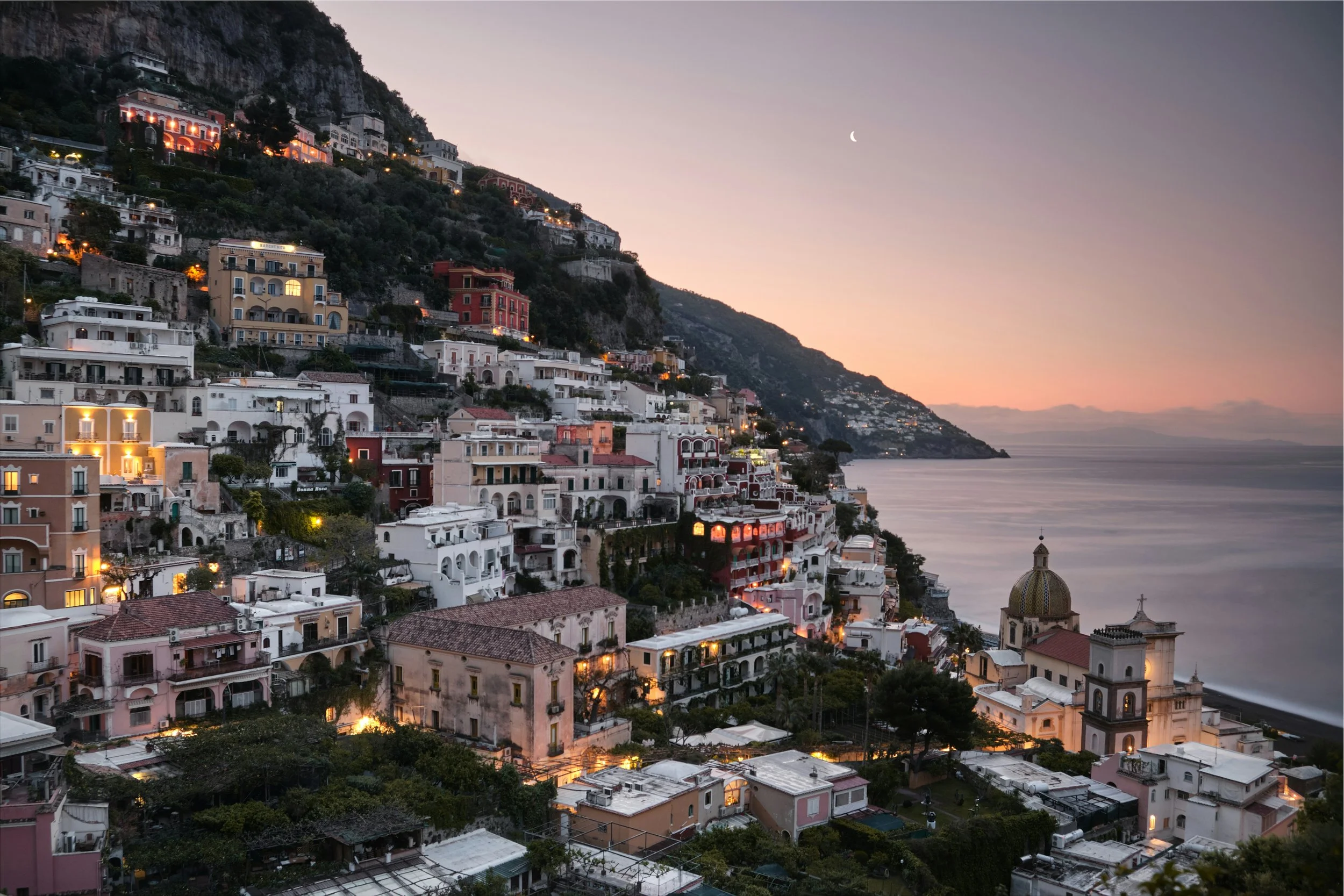
Let’s start with the obvious choice. Positano is the postcard. It’s the town everyone pictures when they think of the Amalfi Coast. Pastel houses tumble down the cliffside to a small pebble beach. Bougainvillea drapes over terraces. The main pedestrian street is lined with boutiques selling linen dresses and handmade sandals.
The vibe: Chic, expensive, photogenic, touristy but undeniably beautiful. This is where celebrities vacation and influencers come for content.
What makes it special: The setting is unmatched. The vertical layout means spectacular views from almost everywhere. Great shopping and dining. Easy ferry access to Capri.
The downsides: It’s the most expensive and most crowded town on the coast. The constant stairs (we’re talking hundreds of steps between the upper and lower town) aren’t for everyone. Parking is nearly impossible. It feels less authentically Italian than other options.
Who should stay here: First-time visitors who want the iconic Amalfi Coast experience, people who prioritize views and atmosphere over tranquility, those with generous budgets.
Amalfi
The namesake town sits at the center of the coast and was once a powerful maritime republic. It’s larger and flatter than Positano, built around a central piazza and beautiful cathedral with an Arab-Norman facade.
The vibe: Bustling, central, practical. It feels more like a real town where actual Italians live and work, not just a resort destination.
What makes it special: The historic center is charming. The cathedral is stunning. It’s the main ferry and bus hub, making it the most convenient base for exploring other towns. More restaurants and services than smaller villages.
The downsides: It’s less visually dramatic than Positano. The beach is nothing special. It gets absolutely slammed with day-trippers and cruise ship passengers during peak season.
Who should stay here: People who want a more authentic Italian town feel, those planning to explore the entire coast by public transportation, travelers who want convenience and good restaurant options within walking distance.
Ravello
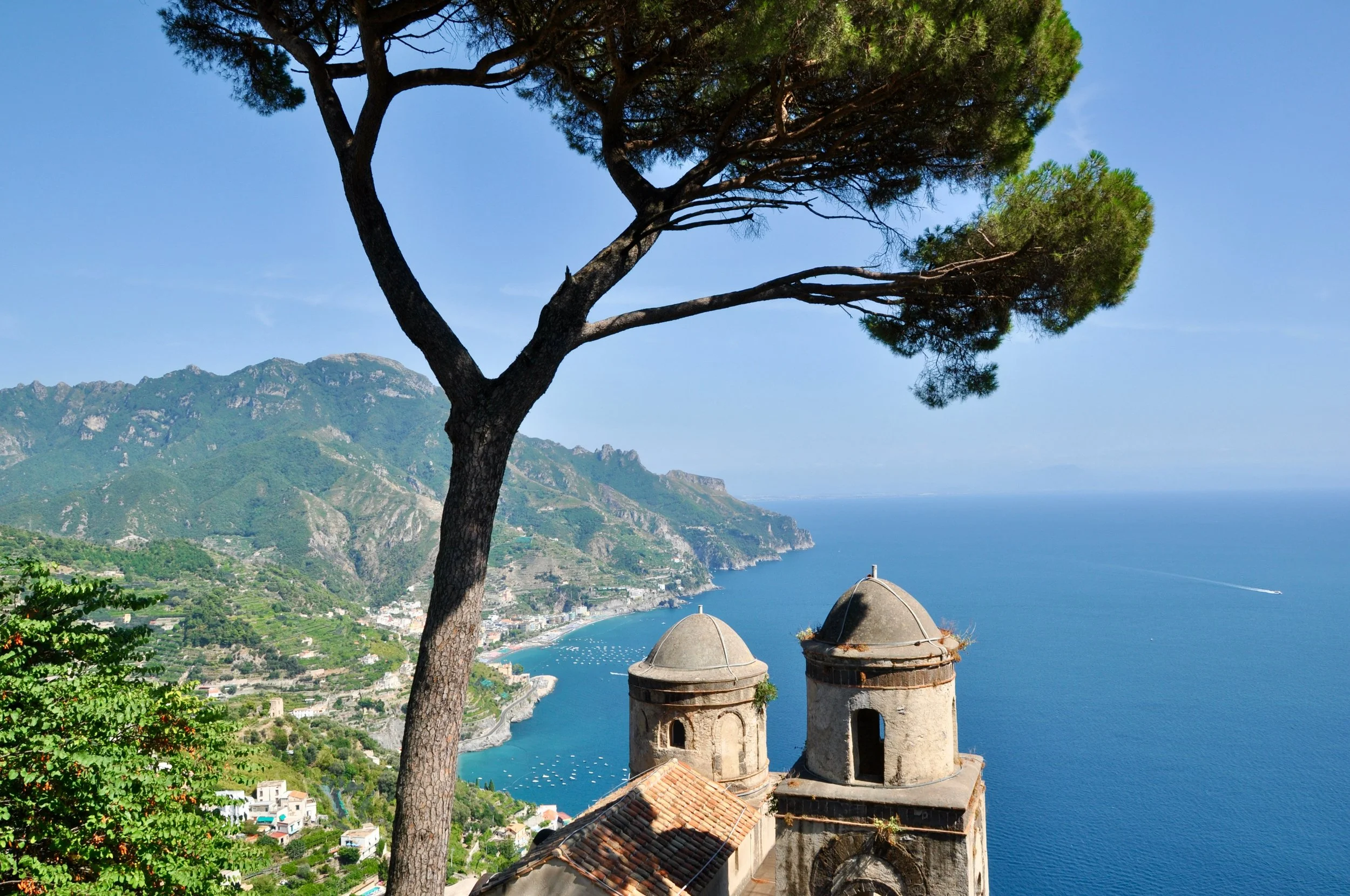
Perched 1,200 feet above the sea, Ravello is the coast’s hidden gem. It’s technically part of the Amalfi Coast but requires a winding drive up the mountain from either Amalfi or Minori. The town is known for its stunning gardens, classical music festival, and refined, peaceful atmosphere.
The vibe: Elegant, quiet, sophisticated. This is where people come to escape the coastal crowds. It has a timeless, slightly old-world feel.
What makes it special: The views are absolutely breathtaking, arguably the best on the entire coast. Villa Cimbrone and Villa Rufolo have spectacular gardens. Far fewer tourists than the coastal towns. Excellent restaurants. A palpable sense of tranquility.
The downsides: You’re not on the beach (though hotel shuttles can take you down). Getting up and down the mountain adds time to any coastal explorations. Fewer accommodation options than larger towns.
Who should stay here: Couples seeking romance and quiet, people who prioritize gardens and views over beach access, those who’ve been to the coast before and want a different perspective, anyone who needs a peaceful retreat.
Praiano
Squeezed between Positano and Amalfi, Praiano is the coast’s quiet alternative. It’s less vertical than Positano, more relaxed than Amalfi, and far less crowded than either.
The vibe: Low-key, local, unpretentious. This is the Amalfi Coast without the show.
What makes it special: You get the dramatic coastal setting without the massive crowds. Marina di Praia is one of the coast’s loveliest small beaches. Excellent sunset views. Easier to find parking than Positano.
The downsides: Limited dining options compared to larger towns. Less infrastructure for tourists. You’ll need transportation to explore beyond Praiano itself.
Who should stay here: People who want a quieter Amalfi Coast experience, those who’ve visited before and want to avoid the circus of Positano, travelers who value authenticity over amenities.
The Lesser-Known Towns
Atrani sits right next to Amalfi and feels like stepping back in time. It’s tiny, authentic, and has a small beach. Great for a quieter base with easy access to Amalfi’s conveniences.
Minori and Maiori are on the eastern end of the coast. They’re less dramatic but have the coast’s best beaches and are far less touristy. Consider them if beaches are your priority.
Furore is barely a town at all, but the Fiordo di Furore (a tiny beach at the base of a dramatic fjord) is stunning and worth a stop.
Where to Stay by Town
Accommodation on the Amalfi Coast is expensive. Accept this now. Even mid-range hotels cost more here than luxury properties elsewhere in Italy. But the settings are often spectacular, and many hotels have been converted from historic villas and monasteries. (Our hotel research guide covers how to compare properties and find the best fit for your style.)
Luxury Stays in Positano
Le Sirenuse is the iconic Positano hotel. It’s been family-owned for generations, with impeccable service, gorgeous rooms, and a Michelin-starred restaurant. The pool terrace has those million-dollar views you’ve seen all over Instagram. It’s expensive, but if you can swing it, it’s the Positano experience distilled to its essence.
Il San Pietro di Positano sits south of the main town on its own private stretch of coastline. It’s carved into the cliff, with an elevator that descends to a private beach. The hotel is intimate, romantic, and feels like a private estate. The breakfast terrace overlooks the sea, and the rooms have handpainted tiles. This is the choice for couples who want seclusion within reach of Positano.
Covo dei Saraceni offers beachfront location with more modern design. It’s directly on Positano’s main beach, which means easier access and less stair-climbing than hillside properties.
Luxury Stays in Ravello
Belmond Hotel Caruso occupies an 11th-century palace with gardens, terraces, and that infinity pool that seems to float above the coastline. The property is stunning, the service is exceptional, and the setting is unmatched. This is our top pick for Ravello.
Palazzo Avino sits in Ravello’s historic center with two Michelin-starred dining and a private beach club down in Marmorata (reached by hotel shuttle). The property mixes period details with contemporary luxury.
Luxury Stays in Amalfi
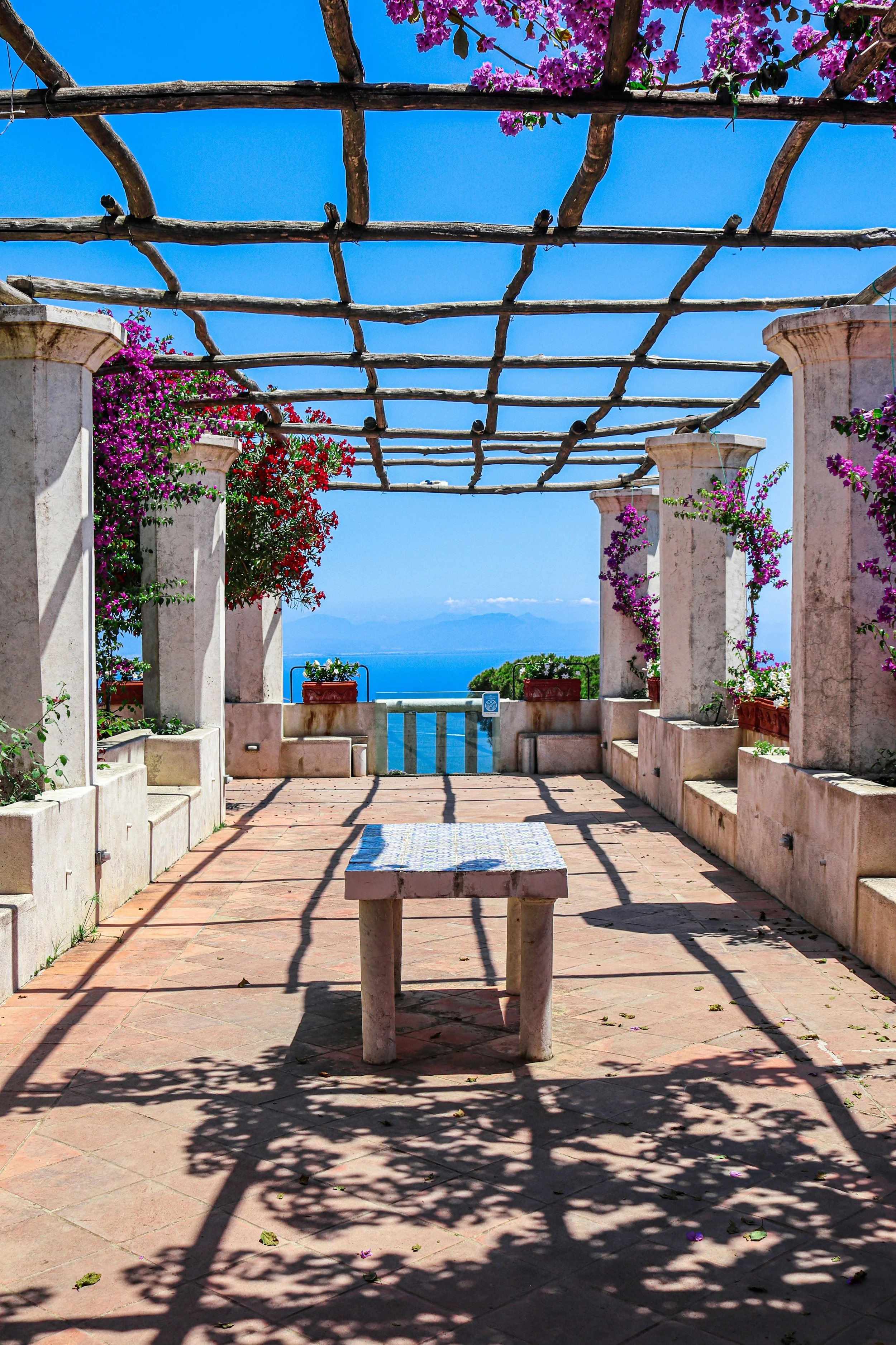
Santa Caterina perches on a cliff just outside Amalfi town, with multiple levels of terraces, citrus groves, an elevator to the sea, and family-run warmth. The views compete with anything in Positano, but the vibe is more relaxed. Rooms have beautiful majolica tiles and many have private terraces.
Boutique and Mid-Range Options
Casa Angelina in Praiano offers sleek, minimalist design (all white interiors, modern aesthetic) with stunning views and a good restaurant. It’s the coast’s most design-forward hotel.
Hotel Villa Franca in Positano provides excellent value (relatively speaking) with incredible views, a good pool, and a more intimate feel than the grand hotels.
Villa Maria and Hotel Giordano in Ravello are family-run properties with character, gardens, and personal service at more accessible price points than the big luxury names.
Getting Around the Amalfi Coast
This is where trip planning gets real. The Amalfi Coast is beautiful but logistically challenging. The main road is narrow, winding, and crowded. Traffic in summer can be nightmarish. Here are your options:
Private Driver
Our recommendation for most travelers. Yes, it’s expensive (expect €200-400+ per day depending on itinerary), but the value is enormous. Your driver knows the roads, handles the stress, finds parking (which is nearly impossible for visitors), and often provides excellent local recommendations. They’ll pick you up at the Naples airport, take you to your hotel, and be available for day trips or town-hopping.
Book through your hotel or a reputable service. This is worth the splurge.
Rental Car
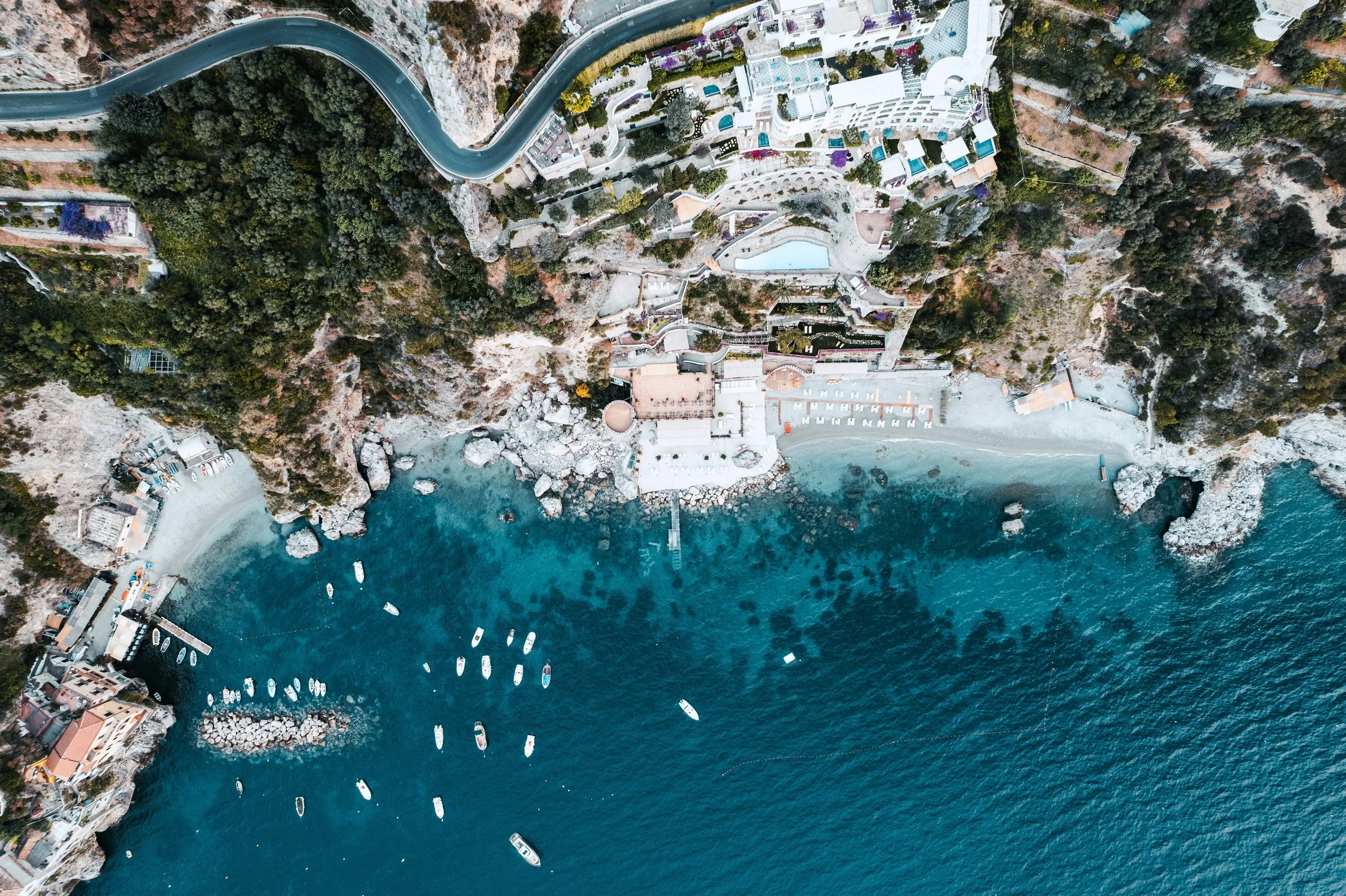
Only consider this if you’re a confident driver comfortable with narrow mountain roads, aggressive Italian driving, massive tour buses squeezing past you with inches to spare, and the very real possibility of white-knuckling it around hairpin turns while tour groups photograph the view that you’re too terrified to look at.
Parking is a nightmare. Many hotels don’t have parking. Public lots fill up early. You’ll spend time and money just trying to find a spot.
That said, if you’re staying in one place and taking minimal day trips, or if you want flexibility to explore more remote areas, a car provides freedom. Just know what you’re getting into. And for the love of all that is holy, get the full insurance coverage.
Public Transportation
The SITA bus runs the length of the coast connecting all major towns. It’s cheap, frequent during summer, and offers spectacular views (sit on the right side heading from Sorrento to Salerno for the best views). It’s also crowded, hot, and can be stressful during peak season when buses fill up and pass stops without picking anyone up.
Buses work well for day trips between towns if you’re patient and flexible. They’re less practical if you have lots of luggage or tight schedules.
Ferries
From April through October, ferries connect the major towns and offer service to Capri. This is our favorite way to move between coastal towns when possible. The views from the water are spectacular, you avoid road traffic entirely, and the experience itself is part of the adventure.
Ferries don’t run in bad weather and have limited schedules off-season. Check current schedules and book ahead during peak season.
The Hybrid Approach
Many travelers combine methods. Take a private driver from the airport to your hotel. Use ferries for day trips to Capri or between coastal towns. Have your driver pick you up for a day trip to Pompeii or Herculaneum. This gives you convenience where it matters most while keeping costs somewhat reasonable. Our trip planning checklist covers how to organize these logistics effectively.
Best Beaches and Beach Clubs
Let’s be honest: the Amalfi Coast isn’t primarily a beach destination. The beaches are small, pebbly, and crowded. But they’re also beautiful, and a beach day is essential to the experience.
Positano
Spiaggia Grande is the main beach, right in the heart of town. It’s convenient but absolutely packed. The free section is tiny. Most of the beach belongs to private beach clubs.
La Scogliera and Bagni Salvatore are two of the better beach clubs on Spiaggia Grande, with sunbeds, umbrellas, changing facilities, and restaurants. Expect to pay €30-50 per person for the setup.
Fornillo Beach is a 10-minute walk west of the main beach (via steps, naturally) and slightly less crowded. It’s quieter and more local-feeling.
Beyond Positano
Marina di Praia in Praiano is one of our favorites on the coast. It’s a tiny cove with a fishing boat vibe, turquoise water, and a great restaurant (Chez Black serves excellent seafood).
Arienzo Beach is accessible only by 300 steps from the coastal road between Positano and Amalfi. The effort keeps crowds down. There’s a beach club with restaurant and sunbed rental.
Fiordo di Furore is dramatically beautiful but tiny. It’s worth a stop for photos and a quick swim, but not a full beach day.
Atrani Beach is small but charming, with a more local atmosphere than tourist beaches.
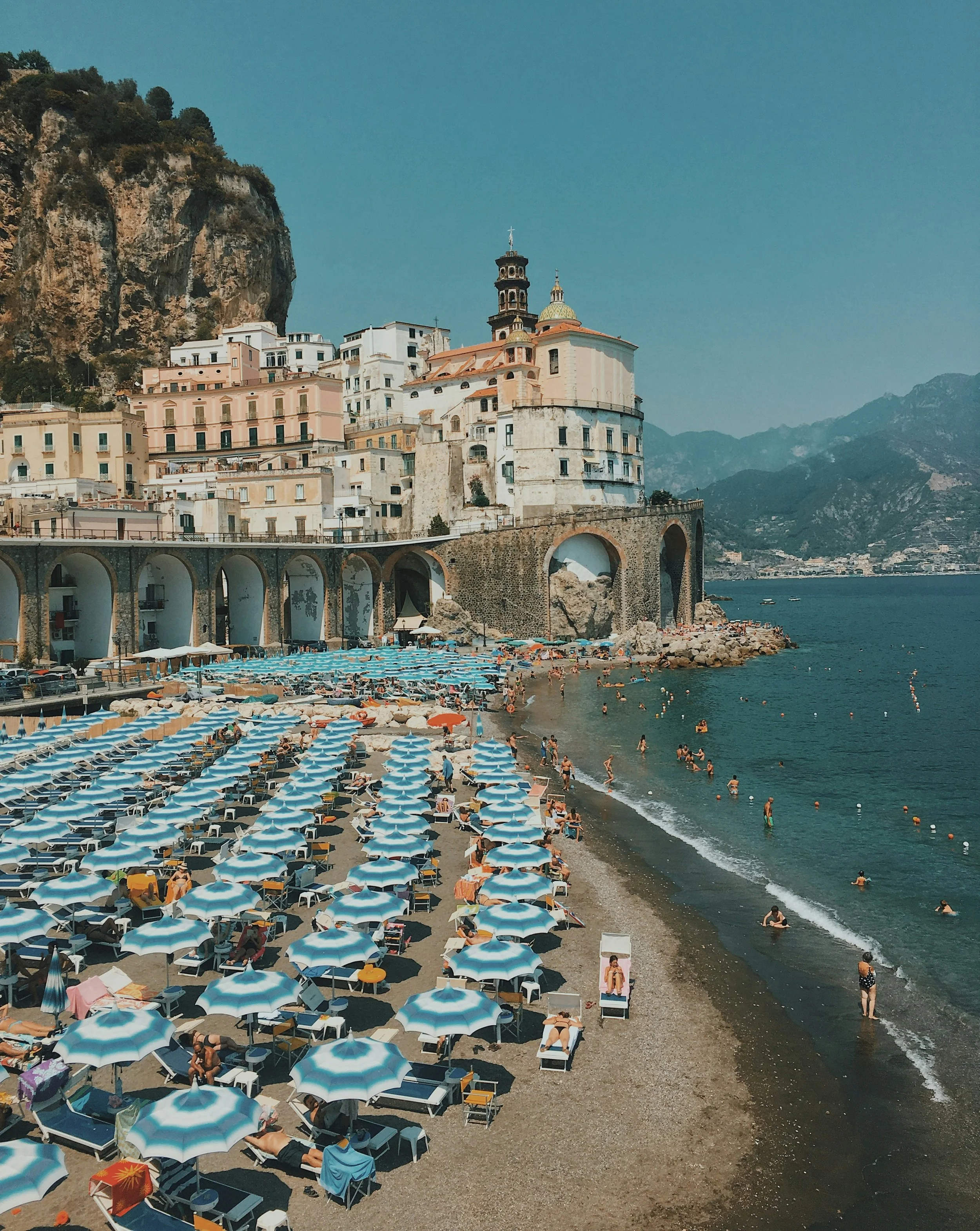
The beach club culture is significant on the Amalfi Coast. You pay for a sunbed and umbrella setup, but you get a reserved spot, changing facilities, fresh water showers, and usually good food and drinks. It’s worth it for a proper beach day. Arrive early (before 10am) during peak season or reserve in advance.
Restaurant Recommendations
The Amalfi Coast is part of Campania, Italy’s food heartland. Expect incredible seafood, handmade pasta, locally grown lemons the size of grapefruits, buffalo mozzarella, and limoncello that tastes nothing like what you’ve had elsewhere.
Positano
La Sponda at Le Sirenuse is Michelin-starred fine dining with candlelit tables and Mediterranean cuisine. It’s romantic, expensive, and special occasion worthy.
Da Vincenzo offers traditional family-run warmth with excellent pasta and seafood at more reasonable prices. It’s been around forever and consistently good.
Chez Black right on the beach serves fresh seafood with your toes in the sand. It’s touristy but fun and the location can’t be beat.
Next2 is a small wine bar and restaurant with creative dishes and an excellent wine list. Good for a more intimate dinner.
Amalfi
Lido Azzurro sits right on the water with excellent seafood and pasta. The setting is beautiful and the food is reliably good.
Donna Stella is family-run traditional cooking without pretension. Their scialatielli ai frutti di mare (fresh pasta with seafood) is excellent.
Ravello
Rossellinis at Palazzo Avino has two Michelin stars and delivers refined, creative cuisine with spectacular views.
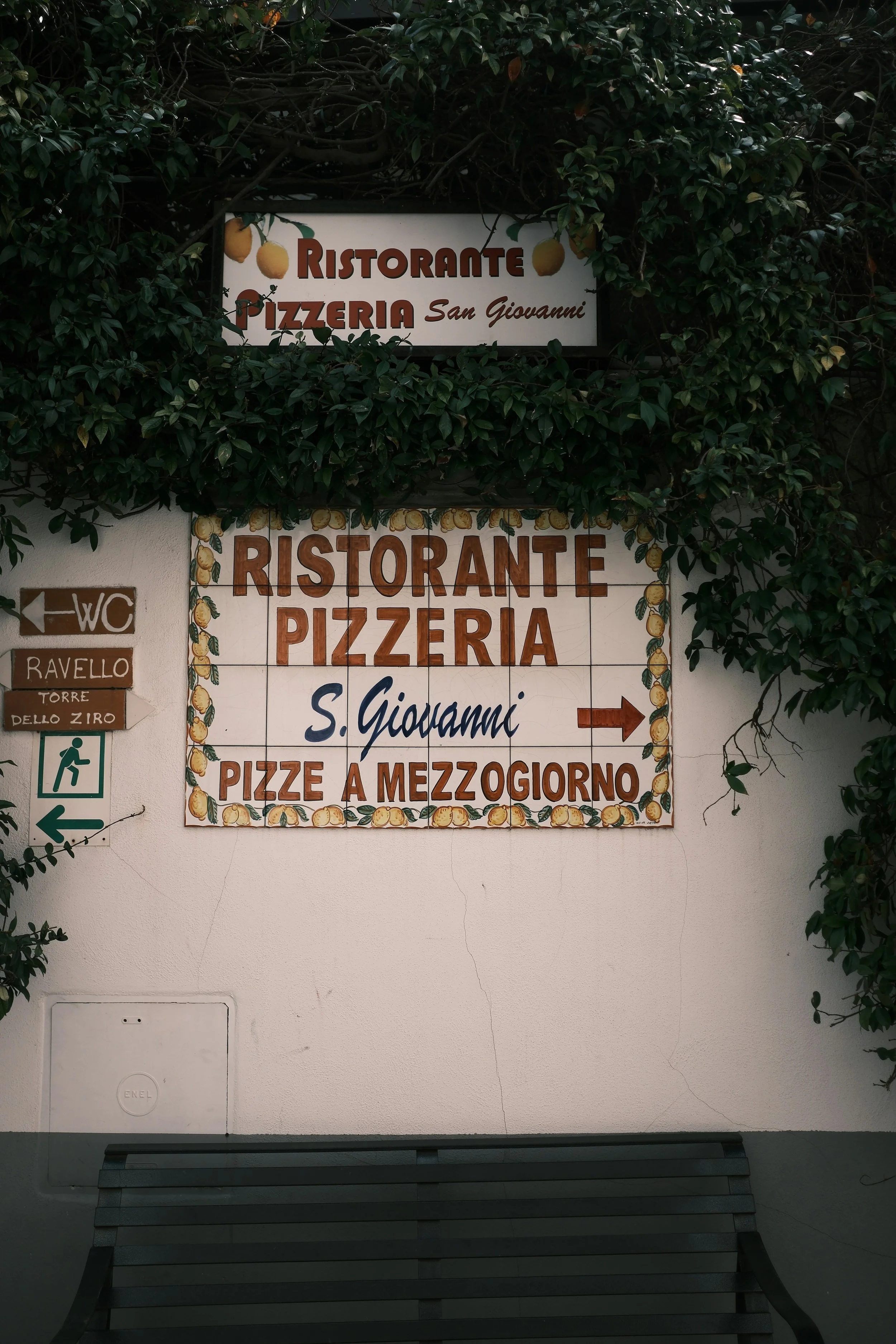
Cumpa’ Cosimo is the opposite end of the spectrum: casual, loud, generous portions, and local families celebrating. Their pasta alla Nonna Cumpa’ is legendary. Go hungry.
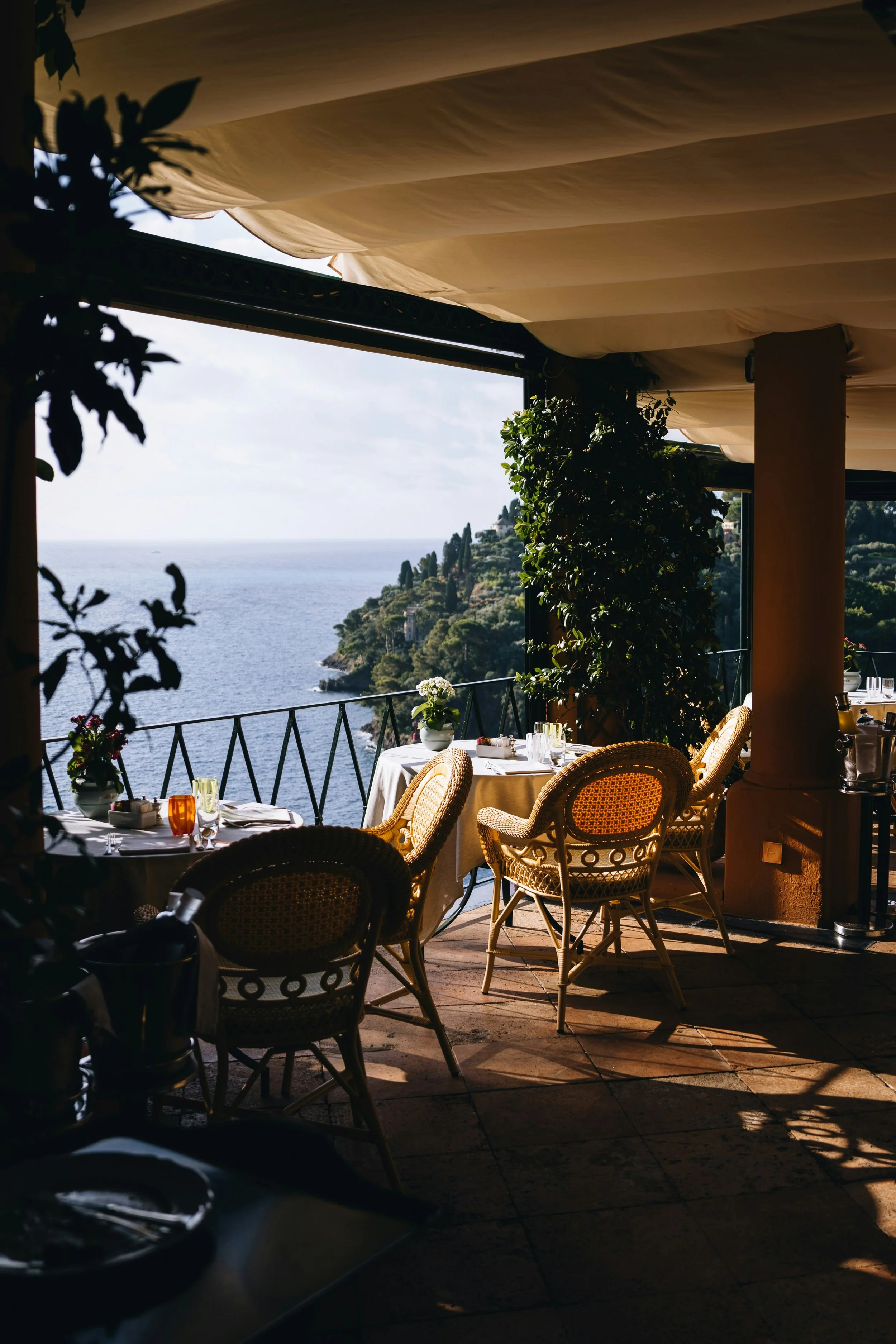
Belmond Hotel Caruso’s restaurant offers high-end dining with those infinity pool views. Even if you’re not staying there, the restaurant is worth a visit.
General Tips
Reservations are essential for dinner at popular restaurants during high season. Make them several days in advance.
Lunch is often the better value and you can sit outside in daylight enjoying the views. Many restaurants have similar menus for lunch and dinner but lower prices at lunch.
Try the local specialties: scialatielli (fresh pasta) with seafood, delizia al limone (lemon dessert), parmigiana di melanzane, and anything with buffalo mozzarella.
Day Trips Worth Taking
Capri
The ferry from Positano takes about 30-40 minutes and runs frequently in season. Capri is beautiful but gets absolutely mobbed with day-trippers. Go early or late to avoid the worst crowds.
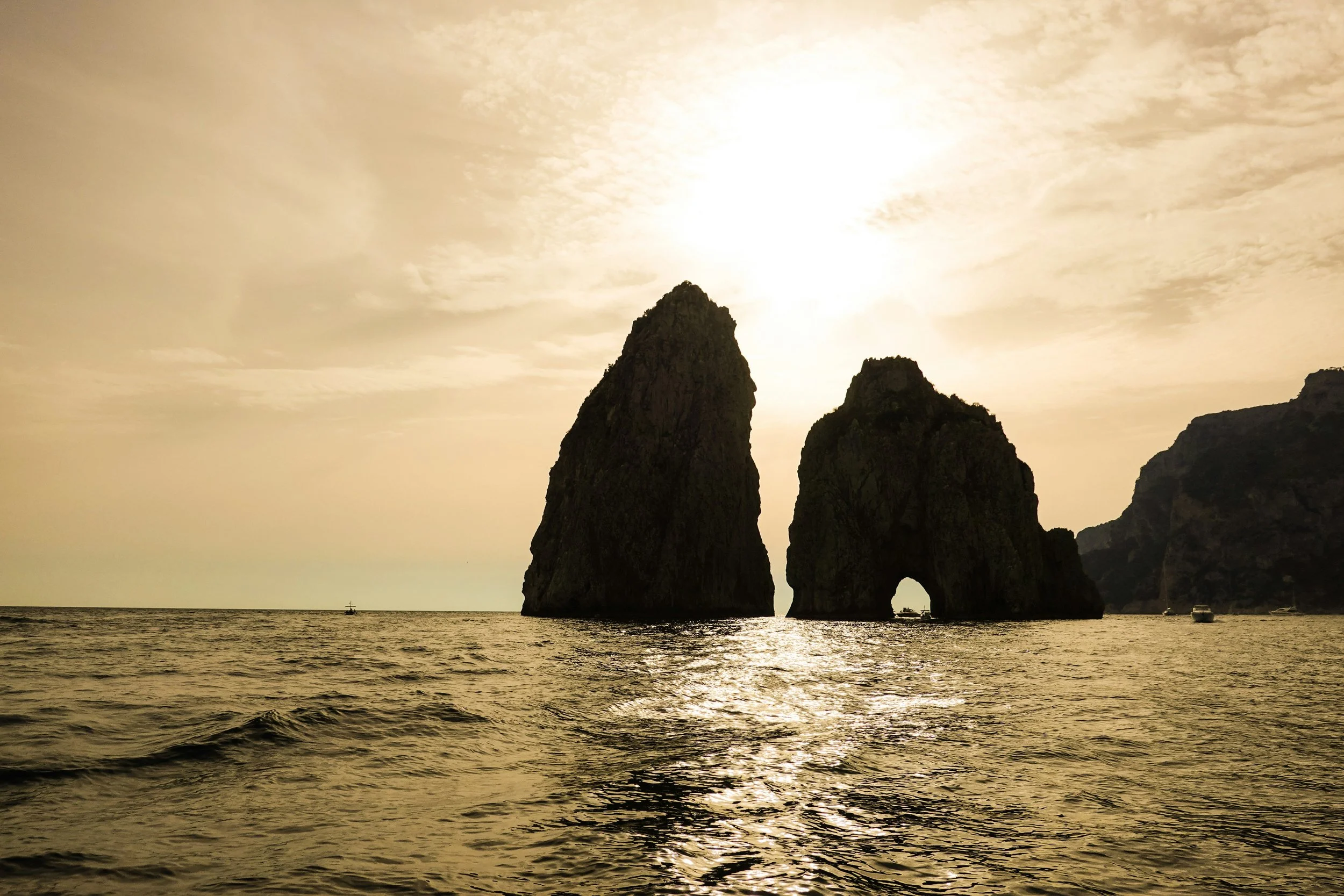
The Blue Grotto is stunning if you can get in (it closes frequently due to tide and weather). The chairlift from Anacapri to Monte Solaro offers spectacular views. Wander the Gardens of Augustus, explore Anacapri’s quieter streets, and have lunch overlooking the Faraglioni rocks.
If you can, stay overnight. The island transforms once the day-trippers leave.
Path of the Gods (Sentiero degli Dei)
This is one of Italy’s most spectacular hikes, running high above the coast from Bomerano (above Positano) to Nocelle (the mountain village above Positano). The trail is about 5 miles and takes 3-4 hours. The views are absolutely stunning.
You’ll need good shoes, sun protection, and water. The trail is well-marked but involves some steep sections. You can take a bus from Amalfi to Bomerano to start, then hike to Nocelle and descend to Positano via steps.
This is not for everyone (it’s a real hike), but if you’re up for it, it’s one of the coast’s best experiences.
Pompeii and Herculaneum
Both Roman cities buried by Mount Vesuvius are within reach (about an hour from the coast). Pompeii is larger and more famous; Herculaneum is smaller but better preserved. Both are fascinating.
Plan for 2-3 hours at either site. Go early to avoid heat and crowds. A guide makes a huge difference in bringing the ruins to life. Your hotel can arrange a driver and guide for the day.
Paestum
Further south, these Greek temples are some of the best-preserved in the world and far less crowded than Pompeii. Pair a visit with a stop at a buffalo mozzarella farm to see how the region’s famous cheese is made.
Sample 4-5 Day Itinerary
Day 1: Arrival and Positano
Arrive Naples, private driver to Positano. Check into your hotel, recover from travel. Wander down to the beach, explore the pedestrian street, have dinner with a view. Easy first day to adjust and soak in where you are.
Day 2: Positano Beach Day and Sunset in Praiano
Morning at a beach club on Spiaggia Grande or Fornillo. Lunch at Chez Black with your feet in the sand. Afternoon relaxing by your hotel pool. Late afternoon, have your driver take you to Praiano for aperitivo and sunset views (the drive takes 15 minutes). Dinner back in Positano.
Day 3: Capri Day Trip
Early ferry to Capri. Explore Anacapri in the morning (fewer crowds), take the chairlift to Monte Solaro. Lunch with a view of the Faraglioni. Afternoon in Capri town, Gardens of Augustus, shopping on Via Camerelle. Evening ferry back to Positano.
Day 4: Ravello and Amalfi
Driver picks you up for a full day. Morning exploring Ravello, Villa Cimbrone and Villa Rufolo gardens. Lunch at Cumpa’ Cosimo. Afternoon down to Amalfi, visit the cathedral, wander the historic center, gelato in the piazza. Drive back along the coast, stopping for photos at Fiordo di Furore. Dinner in Positano.
Day 5: Path of the Gods or Beach and Departure
Option A: Early start for the Path of the Gods hike, ending with celebratory lunch back in Positano before departure.
Option B: Final beach morning, leisurely lunch, afternoon transfer to Naples for your flight.
This itinerary keeps you based in Positano, which we recommend for first-time visitors. You could alternatively split your stay between Positano (2-3 nights) and Ravello (2 nights) for different perspectives, but the single base is simpler.
Best Time to Visit
Peak season (June through August) brings perfect weather, long days, and absolutely overwhelming crowds. Hotels are at maximum prices, beaches are packed, traffic is terrible, and reservations are essential for everything. If you must go in summer, favor early June or September over July and August.
Shoulder season (April-May and September-October) is ideal. The weather is still excellent (warmer in September than May), crowds are manageable, prices are somewhat better, and the overall experience is far more pleasant. Some beach clubs and restaurants may have limited hours in the earliest and latest weeks, but everything important is open.
Off-season (November through March) is quiet, affordable, and atmospheric. Many hotels and restaurants close. Ferry service is limited or nonexistent. Weather is unpredictable (though often still pleasant). This is for return visitors who want to see a different side of the coast, not first-timers.
Our top recommendation: late September or early October. The weather is beautiful, the sea is still warm, summer crowds have dissipated, and the coast feels more relaxed and authentic.
Making the Most of Your Trip
The Amalfi Coast rewards slow travel. Don’t try to see everything. Pick a home base, explore from there, and leave time to simply enjoy where you are. Have leisurely lunches that stretch into the afternoon. Sit at cafes. Watch the light change on the water.
The coast is stunning but it’s also challenging. The crowds can be frustrating, the logistics can be complicated, and the costs can be shocking. But there’s a reason people have been coming here for generations. It really is that beautiful.
Make sure you have all your travel documents sorted before you go, and if you’re feeling overwhelmed by the planning (and the Amalfi Coast does require more logistical planning than many destinations), we handle this type of trip all the time. Our trip planning service specializes in creating seamless Italian itineraries, from booking that perfect Ravello hotel to arranging reliable drivers to mapping out daily plans that flow naturally.
The Amalfi Coast isn’t easy, but it’s absolutely worth it. With the right planning, you’ll have the trip you’ve been dreaming about, minus the stress you’ve been dreading.