Dubai Luxury Travel Guide: Modern Opulence Meets Arabian Tradition
Dubai is where futuristic skyscrapers meet ancient desert traditions, where you can ski indoors in 110-degree heat, and where luxury isn’t just expected but completely standard. It’s a city that divides opinion faster than any other destination I can think of. Some people dismiss it as artificial or superficial, but after spending time researching every corner of this place, I’ve found there’s genuine substance beneath all that glitter.
This guide is for luxury travelers, couples, and anyone curious about experiencing one of the world’s most unique destinations. You’ll get honest hotel comparisons, neighborhood breakdowns that actually matter for logistics, unique experiences you can’t find anywhere else, and the cultural considerations you need to know before you go.
Let me be upfront about something: Dubai is expensive. The summer heat is brutal. The cultural norms are conservative compared to Western standards. But if you go in with the right expectations and plan properly, it’s an incredibly impressive place that delivers experiences you literally cannot have anywhere else on earth.
Planning a Dubai luxury trip? We’ll handle the research and bookings.
When to Visit Dubai
Getting the timing right matters more in Dubai than almost any other destination. The difference between pleasant and miserable is huge.
Our recommendation: November through March is the sweet spot. Yes, you’ll pay premium prices, but the weather is genuinely perfect for exploring, doing outdoor activities, and enjoying the desert. You’ll actually want to be outside, which is kind of the point of traveling.
If you’re more budget-conscious, October or April can work. You’ll save 30-40% on hotels, and while it’s definitely warm, it’s still manageable if you plan activities for morning and evening.
Summer (June through September) only makes sense if you’re getting massive hotel discounts and planning to stay indoors. I’m talking 50%+ off rates, and even then, you need to be okay with basically living in air-conditioned spaces. The heat isn’t just uncomfortable, it’s actually dangerous if you’re not careful.
A few other timing notes: Ramadan moves throughout the year (it follows the lunar calendar), and during this time, restaurants are closed during daylight hours and alcohol service is restricted. It’s still possible to visit, but be aware. The Dubai Shopping Festival runs January through February, and the Dubai Food Festival is in February through March if you want to time your trip around those.
See when to visit other popular destinations
Dubai Neighborhoods Explained
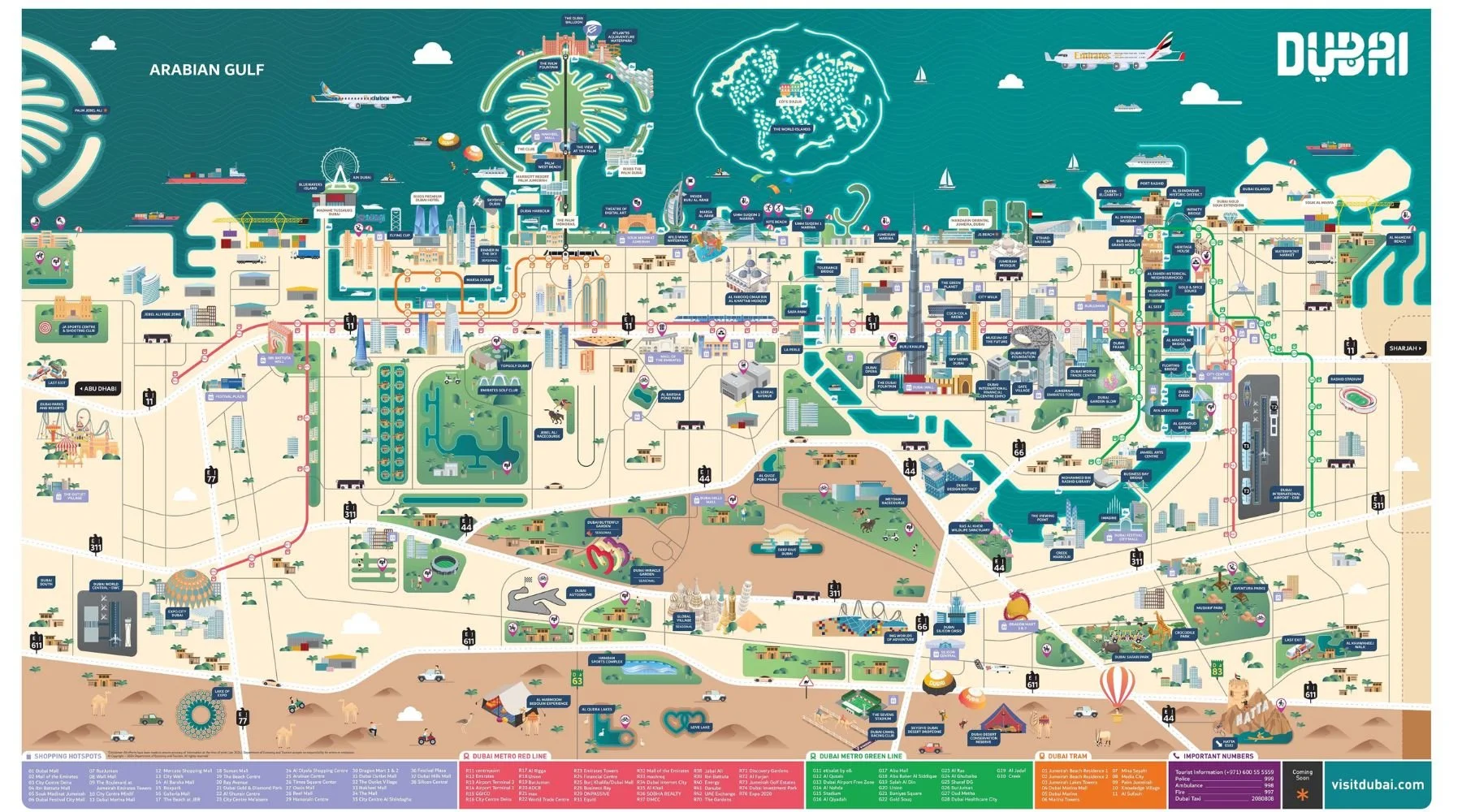
Here’s something that surprises first-time visitors: Dubai is massive. We’re talking roughly 30 miles from one end to the other. Getting from Dubai Marina to Dubai Mall can easily take 45 minutes, and that’s without traffic. Your neighborhood choice isn’t just about vibe, it directly impacts your daily logistics.
Downtown Dubai (The Iconic Heart)
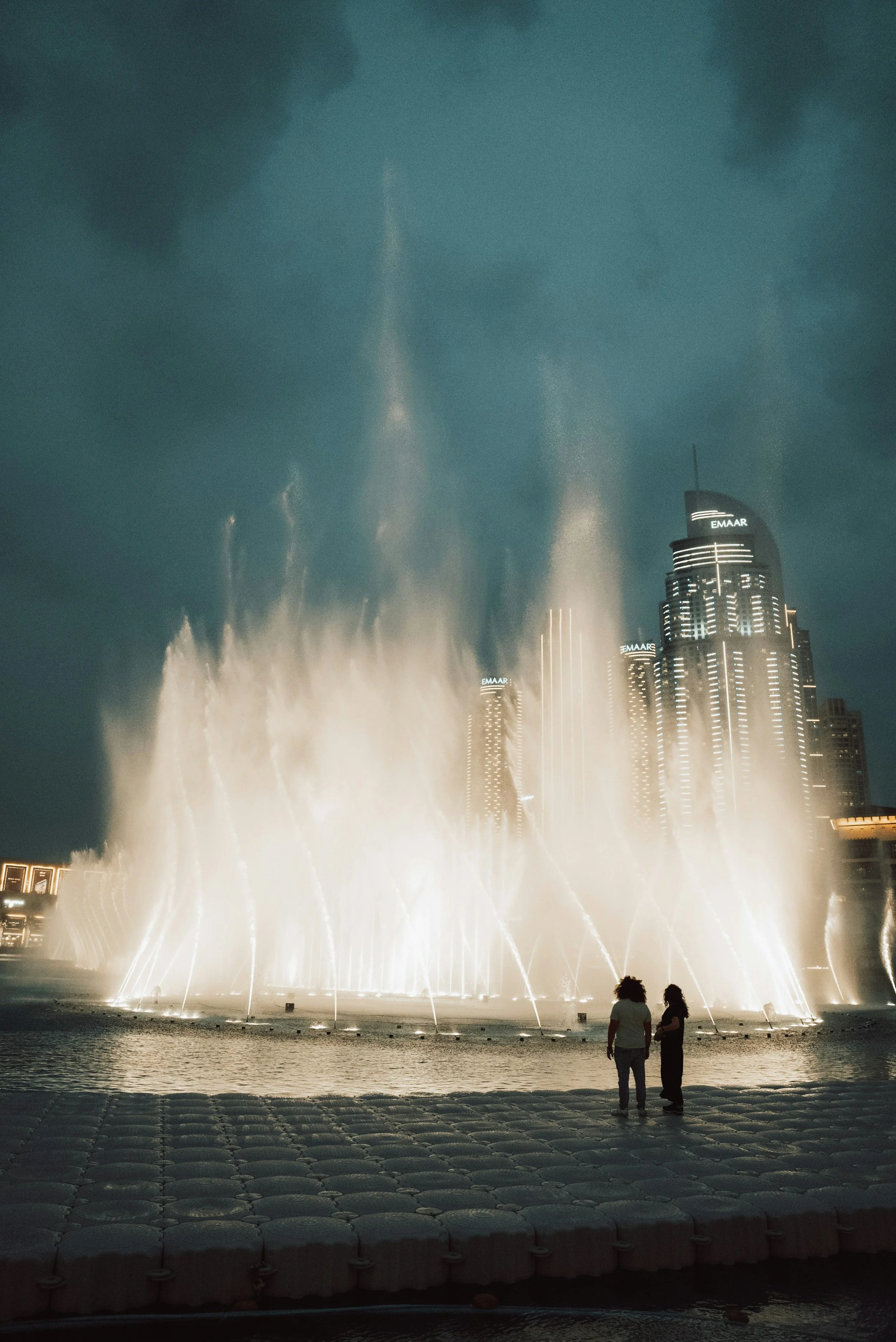
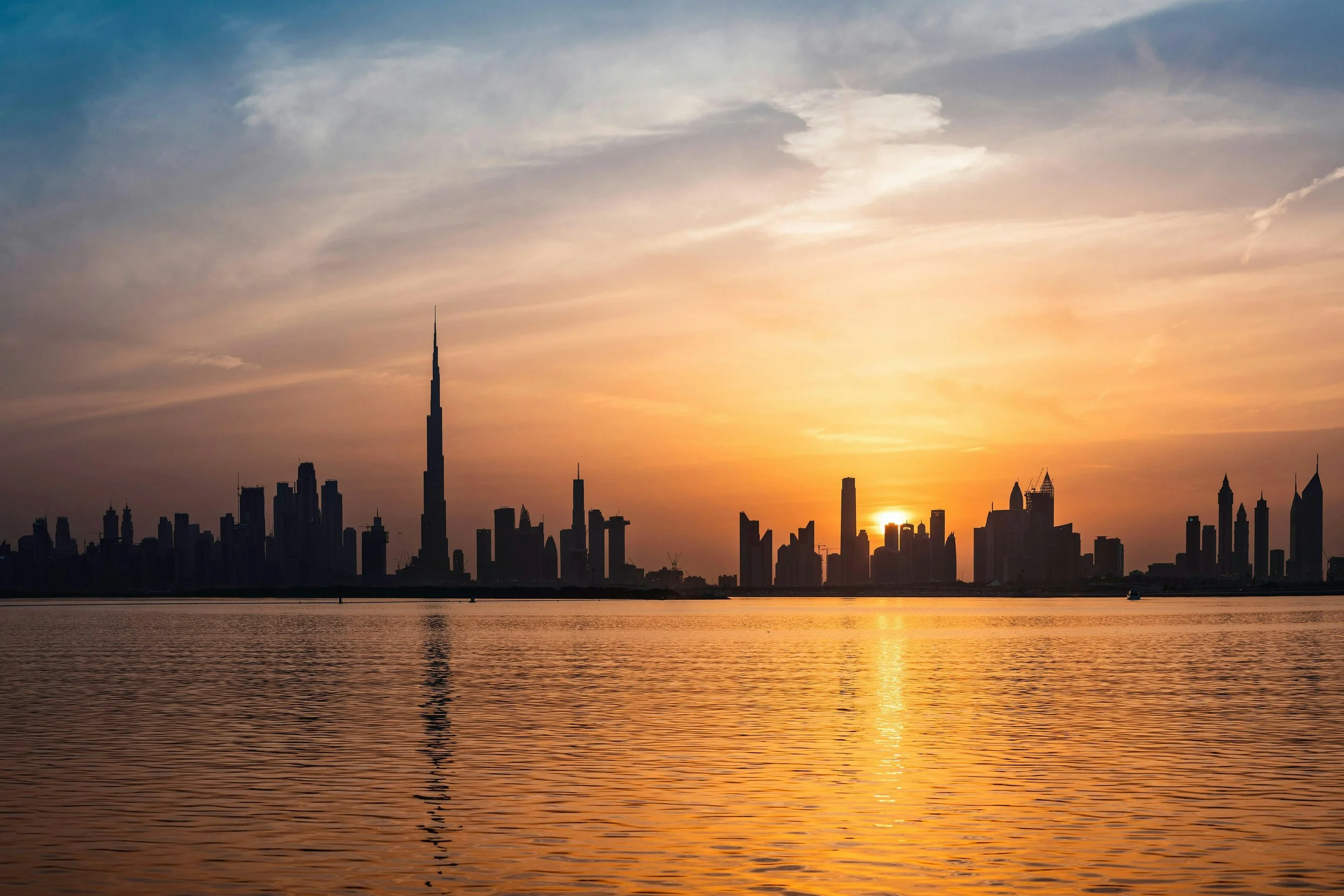
This is the Dubai everyone pictures. You’ve got the Burj Khalifa dominating the skyline, the massive Dubai Mall, the choreographed fountain shows, and basically everything that screams “modern Dubai.”
What’s here: Burj Khalifa, Dubai Mall, Dubai Fountain, Dubai Opera, Souk Al Bahar (a more modern take on traditional markets)
Best for: First-time visitors who want to be in the center of the action and have easy access to the most iconic sights.
The pros: You’re staying in the most recognizable part of Dubai. Everything is within walking distance if you’re based here. The metro access is excellent. There’s a high concentration of luxury hotels and restaurants. For a short trip (3-4 days), this location is nearly unbeatable for convenience.
The cons: It can feel corporate and a bit sterile. It’s very touristy, which might bother some people. Everything is expensive, though that’s true for most of Dubai. The traffic around Dubai Mall, especially on weekends, is genuinely terrible.
Our take: If you only have 3-4 days and want maximum convenience and the quintessential Dubai experience, stay here. It’s the most efficient base for first-timers.
Dubai Marina (The Waterfront City)
Dubai Marina is essentially a purpose-built waterfront city with high-rises surrounding a man-made canal. It has more of a “living city” vibe compared to Downtown’s business district feel.
What’s here: The marina promenade with tons of restaurants and shops, JBR Beach (Jumeirah Beach Residence), Dubai Marina Mall, yacht clubs, The Walk beachfront promenade
Best for: Beach lovers, people wanting a resort atmosphere while still having city access, younger crowds
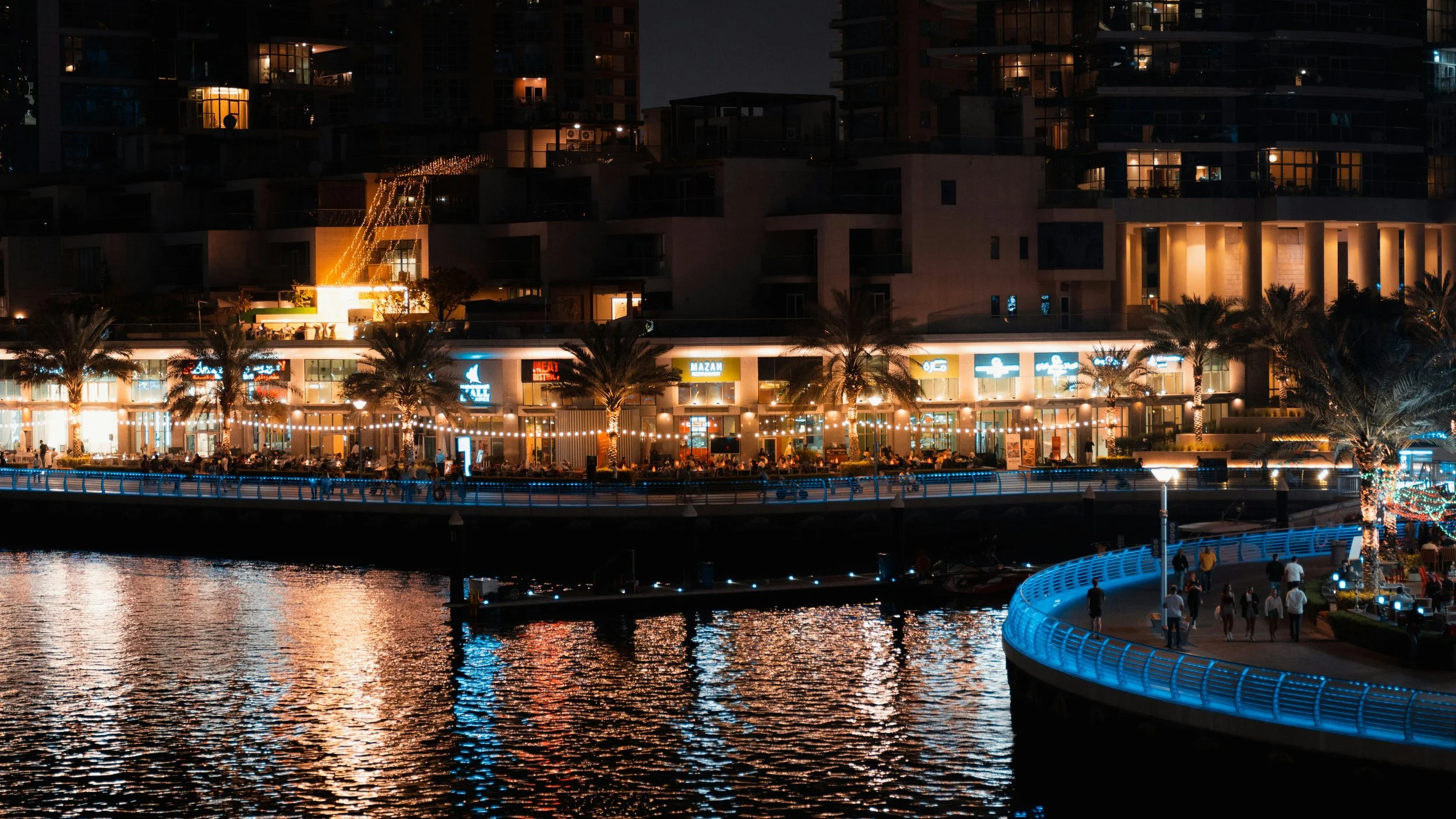
The pros: The waterfront setting is genuinely beautiful, especially in the evening. You have beach access at JBR, which is a proper public beach with a nice vibe. The area feels more like a place people actually live (because they do) rather than just a tourist zone. The restaurant scene is excellent. The marina walk at night is one of the nicest strolls in Dubai. You still have metro access.
The cons: You’re far from some major attractions. Getting to the Dubai Mall from here takes 40 minutes. Weekends get crowded with both tourists and Dubai residents. There’s still some ongoing construction in parts of the area.
Our take: This is the best of both worlds if you want a resort atmosphere with city energy. It’s excellent for longer stays where you’re not trying to hit tourist sites every single day.
Palm Jumeirah (The Iconic Island)
The Palm is that palm-tree-shaped island you’ve seen from space. It’s home to some of Dubai’s most famous resorts, including Atlantis, and it’s basically a destination unto itself.
What’s here: Atlantis The Palm (the massive resort with the water park), other luxury beach resorts, private beach clubs, high-end residences, Nakheel Mall
Best for: Pure resort experience, families, people who prioritize beach and pool time over exploring, special occasions
The pros: The setting is unique and engineering-wise it’s genuinely impressive. These are the best beaches in Dubai, hands down. The resort amenities (especially at Atlantis) are extensive. You have pools, water parks, beach clubs, everything on property. It feels separated from the city, which depending on your preference can be a major pro. It’s extremely Instagram-worthy.
The cons: You’re isolated. Everything requires a taxi or car. There’s limited ability to just walk around and explore. You can feel disconnected from “real” Dubai. There’s also a traffic bottleneck getting on and off the island during peak times.
Our take: Treat the Palm like a resort destination. It’s perfect for 2-3 nights as part of a longer trip, or for your entire stay if you want a pure resort vacation where you never have to leave the property. Don’t stay here if you want to be exploring Dubai daily.
Jumeirah Beach (The Original Luxury Strip)
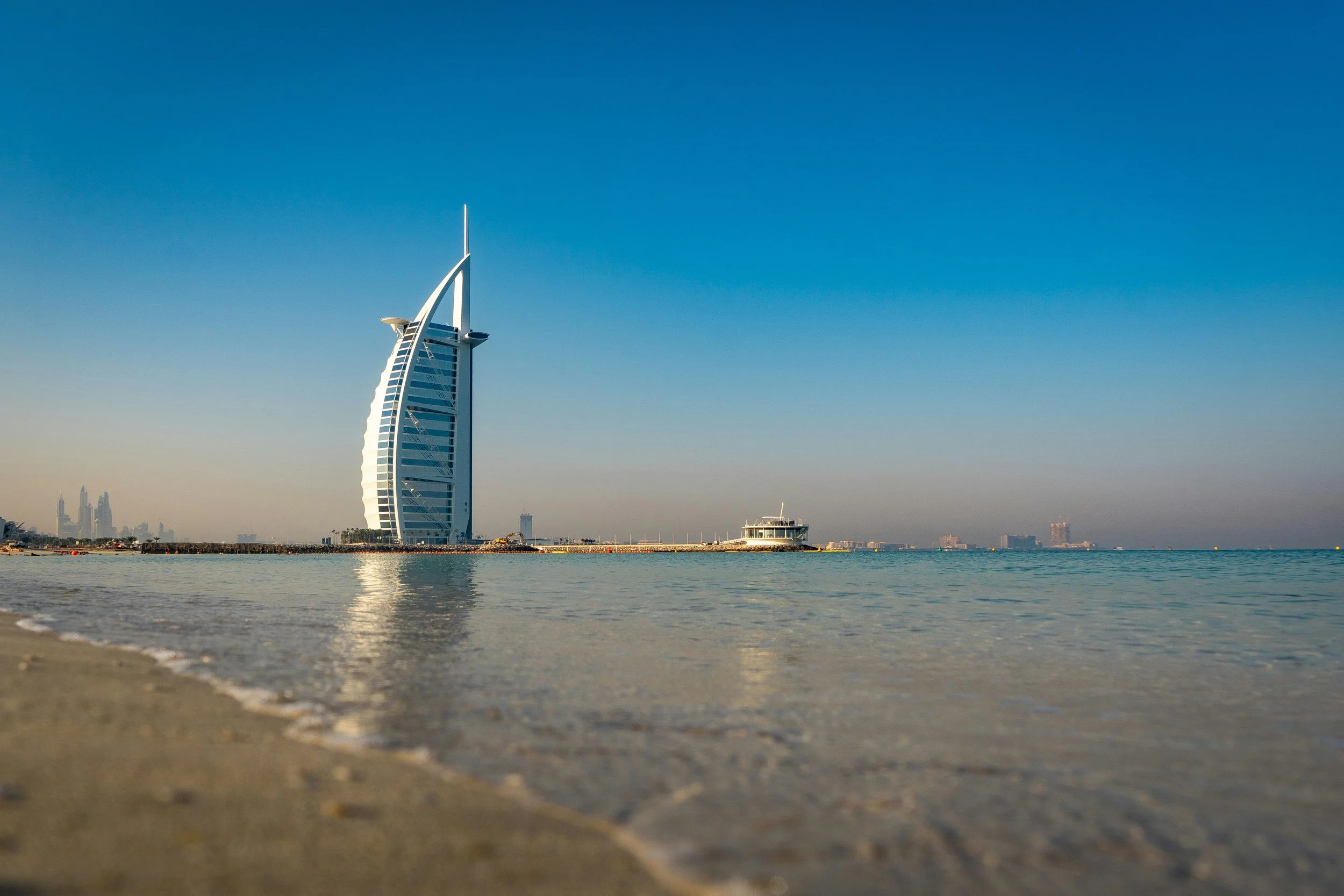
This is where Dubai luxury started before the Palm existed. You’ve got the Burj Al Arab (that sail-shaped building), the Madinat Jumeirah complex, and the original beach resort area.
What’s here: Burj Al Arab, Madinat Jumeirah complex with its traditional souk and waterways, Jumeirah Beach Hotel, Kite Beach, La Mer beach development
Best for: Classic Dubai luxury, spa-focused stays, people wanting a beach location with more traditional Arabian aesthetics
The pros: You get incredible views of the Burj Al Arab. The beach here is beautiful. The Madinat Jumeirah complex has an excellent traditional souk and pretty waterways that give you more “Dubai character” than the ultra-modern newer areas. The restaurant selection is great.
The cons: You’re 30-40 minutes from Downtown. Metro access is limited so you’ll need taxis for everything. It’s expensive even by Dubai standards.
Our take: This is old-school Dubai luxury with more Arabian aesthetic influence compared to the ultra-modern vibe of Downtown. If that appeals to you, it’s a great choice.
Old Dubai (Deira, Bur Dubai)
This is traditional Dubai around Dubai Creek where the city actually started. It’s a completely different experience from the modern areas.
What’s here: Gold Souk, Spice Souk, Dubai Creek, Al Fahidi Historical District, traditional souks and markets
Best for: Cultural exploration, budget travelers, people wanting to see the authentic side of Dubai
The pros: It’s the most affordable area by far. You actually get history and culture here. The traditional souks are fascinating. This is real local life, not manufactured tourist experiences.
The cons: The hotels are very basic and definitely not luxury options. You’re far from both the beach and modern attractions. It can feel dated and chaotic. This isn’t where most tourists stay, and there’s a reason for that.
Our take: Visit Old Dubai for a half-day to experience traditional Dubai and see where the city came from, but don’t stay here unless you’re on a tight budget. It’s worth experiencing but not worth basing yourself in for a luxury trip.
Our Neighborhood Recommendations
For first-time visitors (3-5 days): Downtown Dubai. The convenience factor is huge when you’re trying to maximize a short trip.
For beach plus city balance (5-7 days): Split your stay. Do 2-3 nights in Downtown to hit the major sites, then move to Dubai Marina or Palm Jumeirah for 2-3 nights of beach and resort time.
For pure luxury resort experience: Stay on Palm Jumeirah at Atlantis or in the Jumeirah Beach area near the Burj Al Arab.
For longer stays (7+ days): Mix all three main areas to get the full Dubai experience and variety.
Luxury Hotel Recommendations
Let me be honest about something: Dubai’s luxury hotels are in a league of their own in terms of over-the-top amenities and service. But that doesn’t mean they’re all worth the money. Here’s what you actually need to know.
The Icons (Ultra-Luxury, $800-2,000+/night)
Burj Al Arab Jumeirah (The Most Iconic)
This is the hotel everyone thinks of when they think Dubai luxury. It calls itself the world’s only “7-star” hotel (which isn’t an official rating, they just made it up, but it stuck).
What makes it special: Every single room is a duplex suite with a minimum of 1,800 square feet. You get 24/7 butler service. The interiors have actual gold leaf. There’s a helicopter pad that doubles as a tennis court. The skyview restaurant sits 200 meters high. They have a fleet of Rolls Royces. It’s completely ridiculous in the best and worst ways.
The pros: This is the most Instagram-famous hotel in Dubai, possibly in the world. The service genuinely is impeccable. The experience is truly one-of-a-kind. You get serious bragging rights.
The cons: It’s extremely expensive, starting around $1,500 per night and going up fast from there. It can feel more like you’re visiting a museum than relaxing at a hotel. The over-the-top gold-everything decor isn’t everyone’s taste. The location is isolated on its own little island.
Best for: Once-in-a-lifetime splurges, special occasions, people who specifically want THE Dubai experience
Our take: The Burj Al Arab is worth visiting for drinks or a meal even if you’re not staying there. Actually staying here is definitely bucket-list worthy, but you’re paying heavily for the name and the experience. The actual hotel quality is excellent, but there are other options in Dubai with better locations or amenities for less money.
Important note: You can’t just show up at the Burj Al Arab. You need a reservation for a meal, spa treatment, or tour to access it if you’re not a guest.
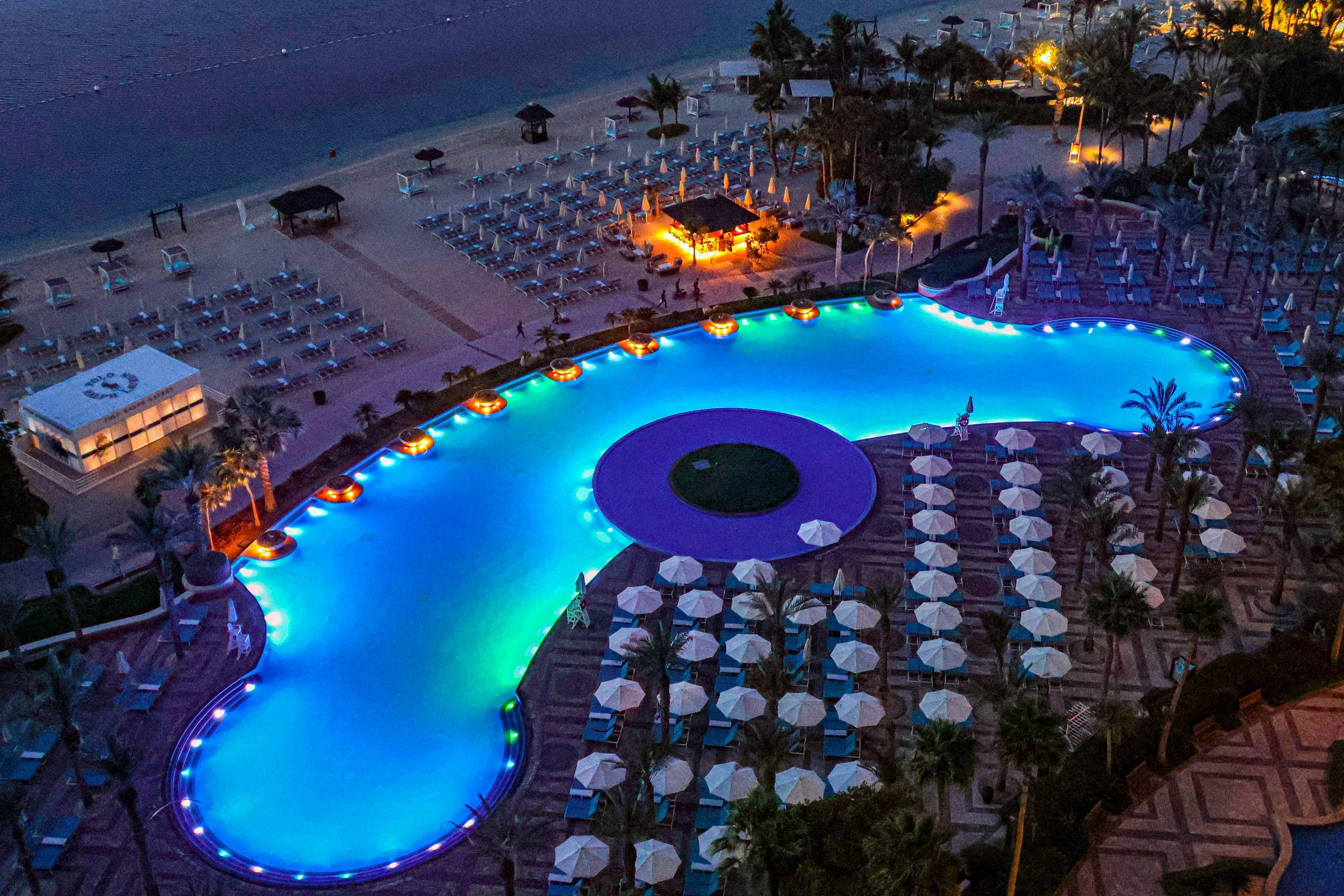
Atlantis The Palm (The Resort Experience)
Atlantis is essentially Dubai’s version of a mega-resort. It’s massive, it’s on the Palm, and it’s designed to be an all-in-one destination.
What makes it special: The Aquaventure water park is included with your stay. There’s the Lost Chambers Aquarium on property. You have 23 restaurants including Nobu. The private beach is excellent. Some rooms are actually underwater suites with aquarium views.
The pros: This is hands-down the best hotel for families. Kids absolutely love it. You get that all-inclusive resort feeling where you never have to leave the property. The activities could keep you busy for days. The Palm Jumeirah setting is iconic.
The cons: It’s huge and can feel impersonal because of the scale. It’s very expensive for what you’re actually getting. The resort gets quite crowded since it’s so popular. You’re isolated from the rest of Dubai.
Best for: Families with kids, resort lovers, people who want a self-contained vacation experience
Our take: Atlantis is basically Dubai’s Disneyland. It’s fun, it’s impressive, but it’s not intimate luxury. If you have kids or you love resort environments, it’s perfect. If you’re looking for sophisticated, understated luxury, look elsewhere.
Price range: $600-1,200 per night depending on room category
Armani Hotel Dubai (The Sophisticated Choice)
The Armani Hotel is actually located inside the Burj Khalifa, and it’s designed entirely by Giorgio Armani. It’s a completely different aesthetic from the over-the-top gold-everywhere vibe of the Burj Al Arab.
What makes it special: You’re staying in the world’s tallest building. The design is minimalist Italian luxury, which is refreshing in Dubai. The service is impeccable without being showy. You have direct access to Dubai Mall. The Armani spa is excellent.
The pros: The location is absolutely perfect if you’re staying in Downtown. The luxury here is sophisticated and understated, which is rare in Dubai. It’s less ostentatious than other Dubai luxury hotels. You have direct access to the Burj Khalifa attractions.
The cons: You don’t get views of the Burj Khalifa because you’re inside it. The rooms are smaller than what you’d get at resort properties. There’s no beach access.
Best for: Sophisticated travelers, people who prioritize location and design over resort amenities, couples
Our take: The Armani is basically the anti-Burj Al Arab. It’s refined, elegant, and actually feels like a place you’d want to live rather than just gawk at. If you appreciate good design and want to be in Downtown, this is the best luxury option.
Price range: $500-900 per night
Modern Luxury with Better Value ($400-700/night)
Address Downtown (Multiple Properties)
The Address properties offer excellent quality at more reasonable prices. You still get luxury, modern design, and often views of the Burj Khalifa and fountain, but without the extreme premium of the ultra-luxury options.
Best for: First-time visitors who want luxury without completely breaking the bank
Bulgari Resort Dubai (The Hidden Gem)
The Bulgari sits on its own island and is ultra-private with only 101 rooms. It’s Italian luxury done right, with stunning design throughout.
Why it’s special: This is the most exclusive and private luxury option in Dubai. The scale is intimate. You get yacht access. The restaurants are incredible.
Best for: Celebrities, people wanting ultimate privacy, luxury hotel connoisseurs who’ve seen it all
Price range: $800-1,500 per night
One&Only The Palm (The Elegant Resort)
One&Only offers a smaller, more refined alternative to Atlantis while still being on the Palm. The beach is excellent, and the restaurants are some of the best in Dubai.
Best for: Couples, honeymooners, people wanting the resort experience without Atlantis crowds
Where to Stay by Trip Type
-
Iconic Dubai experience: Burj Al Arab or Armani Hotel
-
Family resort: Atlantis The Palm
-
Best beach and luxury combo: One&Only The Palm or Bulgari
-
First-timers on budget: Address Downtown properties
-
Sophisticated luxury: Armani Hotel or Bulgari
-
Split stay recommendation: 2 nights Downtown plus 2 nights Palm Jumeirah gives you the best of both worlds
Unique Dubai Experiences
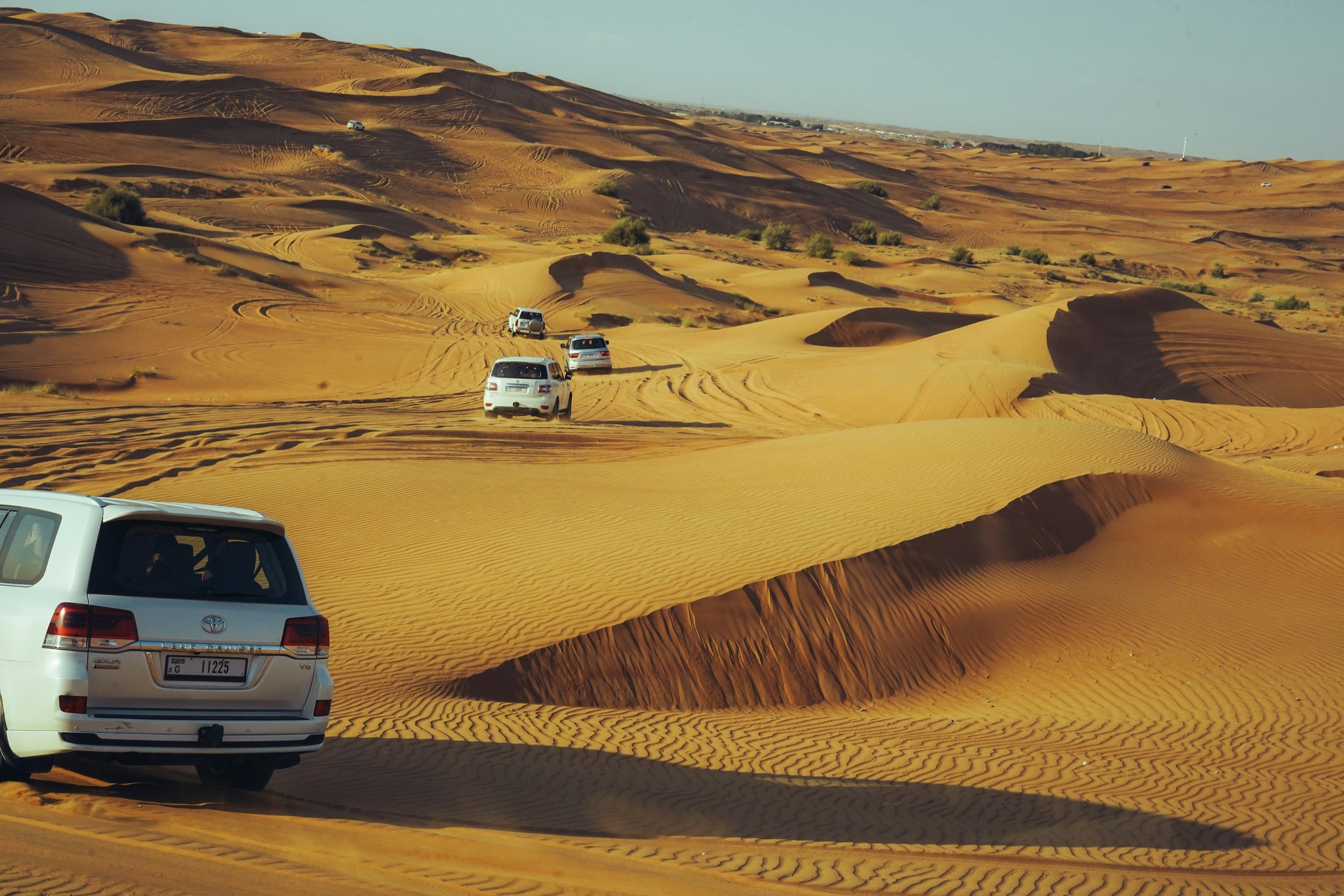
These are the experiences you can only do in Dubai or the Middle East. If you’re going all the way to Dubai, these are worth prioritizing.
Desert Safari (Essential)
This is non-negotiable for a first Dubai trip. You drive out into the desert for dune bashing (basically off-roading on sand dunes), camel rides, and a Bedouin camp experience.
Types available:
Morning safari (4 hours, $70-100): Dune bashing, camel rides, sandboarding. Good if you’re short on time.
Evening safari (6 hours, $80-120): Everything from the morning safari plus dinner, belly dancing, and sunset in the desert. This is what we recommend for first-timers because watching the sunset in the desert is genuinely magical.
Overnight safari ($200-350): Everything from evening safari plus you sleep under the stars in a luxury camp setup.
Private VIP safari ($500+): Your own private vehicle, private camp, and premium experience throughout.
Booking tips: Use a reputable company like Platinum Heritage or Arabian Adventures. Avoid the cheapest options because they tend to be overcrowded and have lower safety standards. If you have any back issues, skip the dune bashing part because it’s genuinely rough. The best time to go is November through March. Summer desert safaris are dangerously hot.
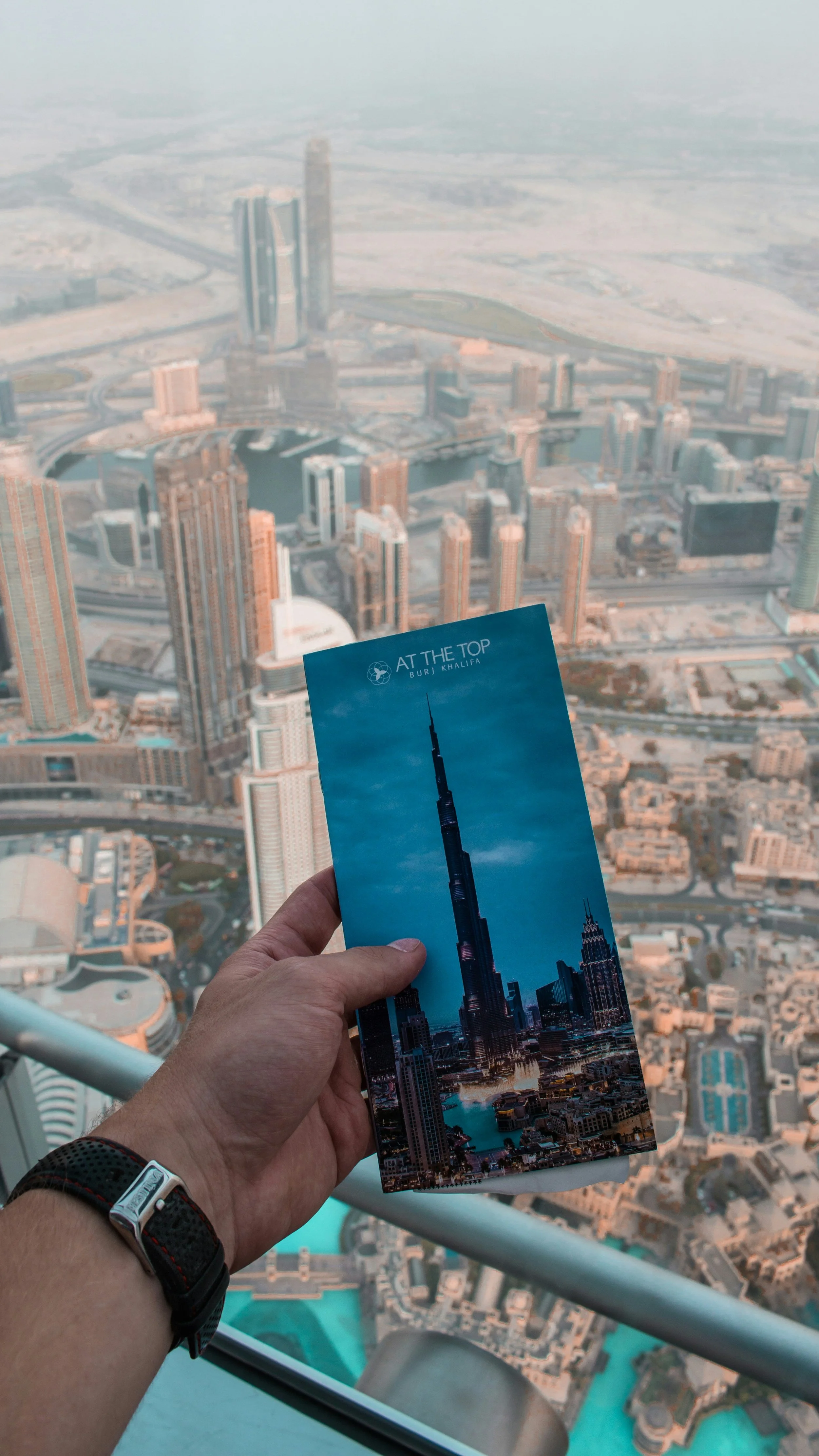
Burj Khalifa At The Top
You’re in Dubai, you should go to the top of the world’s tallest building. The observation decks are on the 124th, 125th, and 148th floors.
Ticket options:
Standard (124th/125th floor): $40-50, perfectly adequate for most people
At The Top SKY (148th floor): $130+, gets you higher and includes VIP treatment
Sunset time slots are the most expensive but offer the best views if you can swing it.
Our take: Worth doing once. Book the sunset slot if your budget allows. The 148th floor isn’t necessary unless you really want the VIP experience. The main thing is to book 2-3 weeks ahead to get better prices and actually get the time slot you want.
Traditional Souk Experience
The souks are the traditional markets, and they give you a glimpse of old Dubai that’s completely different from the modern city.
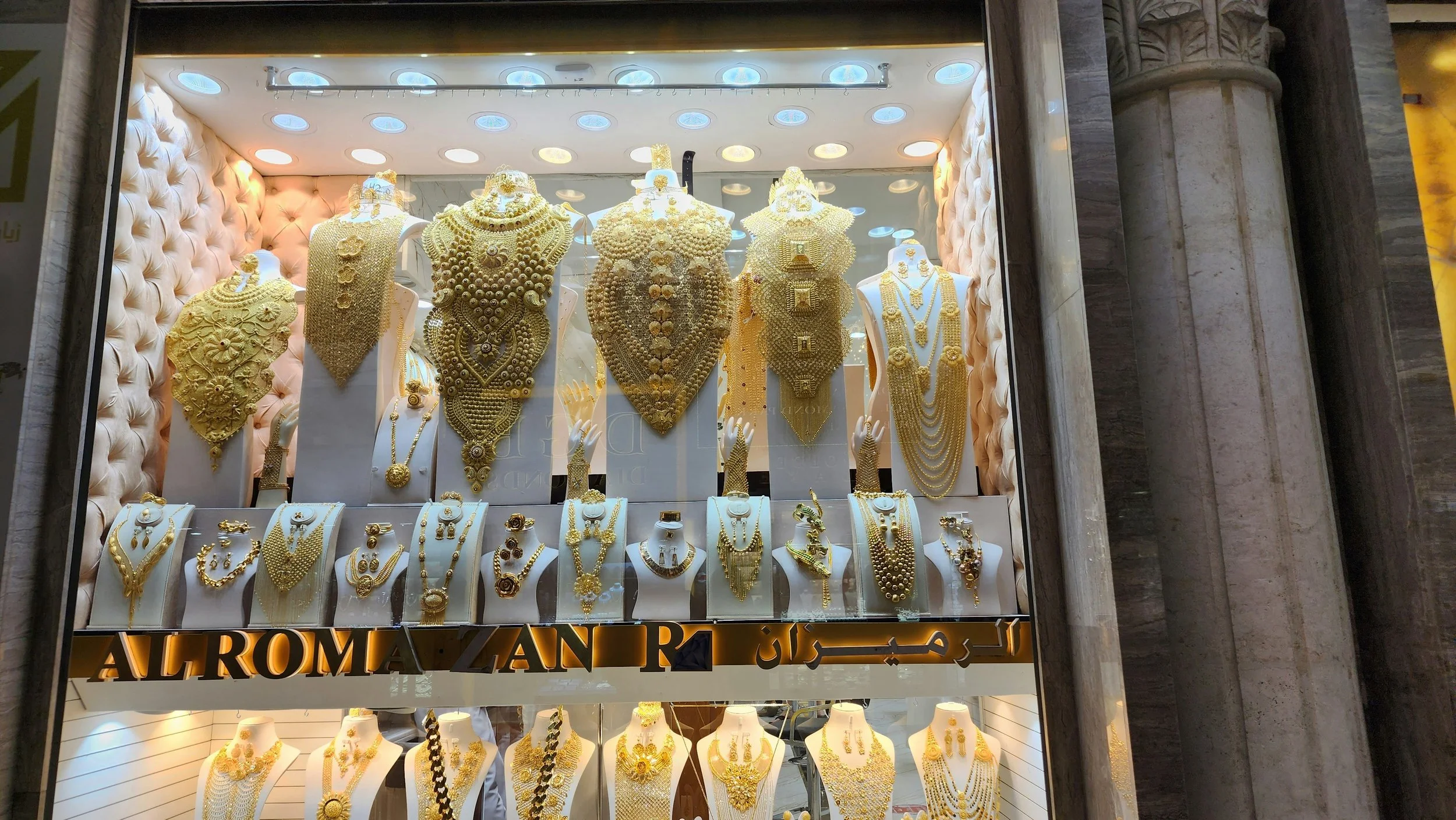
Gold Souk (Deira): It’s an overwhelming amount of gold jewelry. You can negotiate prices. It’s safe to browse even if you’re not buying. The sheer quantity of gold on display is impressive.
Spice Souk (Deira): Incredibly aromatic and photogenic. This is where to buy saffron and spices for a fraction of Western prices.
Textile Souk (Bur Dubai): Traditional fabrics, pashminas, traditional clothing
Our take: Budget a half-day to experience the souks and see traditional Dubai. Go with a guide the first time or you’ll definitely get lost in the maze of stalls.
Luxury Dining Experiences
Dubai’s dining scene is world-class, and there are some experiences you can’t get anywhere else.
Dinner at Burj Al Arab: Either Al Muntaha (high-level restaurant) or Al Mahara (the underwater restaurant with the aquarium). Expect $200-400 per person, and you need to make reservations weeks in advance.
At.mosphere (Burj Khalifa): This is the world’s highest restaurant on the 122nd floor. Lunch is more affordable than dinner if you want to experience it without spending $300+ per person.
Pierchic: Located at the end of a pier extending over the water. It’s romantic, seafood-focused, and the sunset views are spectacular.
Celebrity chef restaurants: Dubai has attracted major names. Nobu at Atlantis, Zuma, and La Petite Maison are all excellent.
Yacht Rental and Boat Cruises
Options range from:
Group sunset cruise: $60-100 per person for 2-3 hours. Good value if you’re on a tighter budget.
Private yacht half-day: $1,000-3,000 for 4-6 hours
Private yacht full-day: $2,500-8,000+ depending on yacht size and amenities
Best for: Special occasions, group trips, creating impressive Instagram content
You can book through services like GetMyBoat or Xclusive Yachts, or ask your hotel concierge to arrange it.
Spa Day
Dubai’s spas are exceptional, especially in the luxury hotels.
Top spas: Talise Spa (either at Burj Al Arab or Madinat Jumeirah), One&Only Spa, Armani/SPA
Expect to pay $200-500 for a full treatment including massage and facilities access.
Unique But Optional Experiences
Skydiving over Palm Jumeirah ($400-500): The views are incredible, and the operation is professional. Only do this if you’re already interested in skydiving.
Indoor skiing at Mall of the Emirates: It’s a novelty to ski indoors in a desert country, but it’s not actually good skiing. Fun for kids, skip it otherwise.
Global Village (November-April): International pavilions with cultural displays, shopping, and food. It’s fun but very touristy.
Dubai Frame: It’s literally a giant picture frame building that gives you views of both old and new Dubai. Interesting concept, worth a quick visit if you have time.
Shopping in Dubai
Dubai is a shopper’s paradise, whether you’re looking for luxury brands or traditional goods.
Luxury Shopping
Dubai Mall: This is the largest mall in the world. Every luxury brand you can think of is here. The Dubai Fountain is right outside, and there’s even an aquarium inside the mall.
Mall of the Emirates: Home to Ski Dubai, with high-end shops throughout. It’s less touristy than Dubai Mall while still having excellent shopping.
City Walk: An outdoor shopping district with a more relaxed vibe compared to the mega-malls.
Gold Souk: The traditional gold market where you can negotiate prices. The gold prices are genuinely good here because there’s no VAT on gold.
What to Actually Buy in Dubai
Gold: No VAT means it’s cheaper than most countries. The quality is high and prices are competitive.
Designer goods: Tax-free shopping can make luxury brands cheaper than Europe or the US, though do your research because it’s not always a better deal.
Middle Eastern dates, saffron, spices: Get these at the Spice Souk for incredible prices compared to Western countries.
Traditional items: Arabic coffee pots, textiles, traditional clothing
Oud perfumes: These traditional Arabic perfumes are unique and make great gifts.
The Dubai Shopping Festival runs January through February with sales, discounts, and entertainment throughout the city.
VAT refund note: The UAE has 5% VAT that you can reclaim at the airport if you keep your receipts and go through the refund process.
Day Trips from Dubai
Abu Dhabi (90 minutes away)
What to see:
Sheikh Zayed Grand Mosque: This is absolutely stunning and worth the trip alone. Entry is free, but you need modest dress (they provide abayas for women if needed).
Louvre Abu Dhabi: World-class museum with an incredible building design.
Emirates Palace: Ultra-luxury hotel worth visiting just to see it. Try the gold cappuccino that’s dusted with actual gold flakes.
Qasr Al Watan: The Presidential Palace with beautiful architecture and gardens.
Tour or self-drive: Either works fine. Tours run $80-120 per person. Driving yourself is easy and gives you more flexibility.
Time needed: Full day
Hatta (90 minutes to the mountains)
What to see:
Hatta Dam: Turquoise water surrounded by mountains, with kayaking available
Mountain scenery: Rare in the UAE and a nice change from the desert
Hatta Heritage Village: Traditional village showing old Emirati life
Hiking trails: Several options in the area
Best for: Getting out of the city, nature lovers, experiencing cooler weather (relatively speaking)
Al Ain (90 minutes)
What to see:
Al Ain Oasis: UNESCO World Heritage site with traditional date palm groves
Jebel Hafeet: Mountain with a winding road and panoramic views
Al Ain Zoo: Well-maintained zoo with good animal habitats
Camel market: Traditional market that’s less touristy than Dubai attractions
Best for: Seeing more traditional Emirati culture, less touristy experiences
Sample Itineraries
Here are two realistic itineraries that balance the major sights with downtime.
4-Day Dubai Luxury Itinerary
Day 1: Arrival and Downtown
Arrive and check into your hotel (we recommend Downtown for first-timers). Take the afternoon to recover from travel and get oriented. Head to Dubai Mall in the late afternoon, then go up to the Burj Khalifa At The Top for a sunset time slot. Have dinner with Dubai Fountain views, then watch the evening fountain shows.
Day 2: Modern Dubai and Beach
Start with a visit to the Burj Al Arab area. Try to get a reservation for breakfast or lunch if possible, otherwise just admire it from the beach. Spend the afternoon at the beach or by your hotel pool. In the late afternoon, head to Dubai Marina for a walk along the waterfront. Have dinner in Dubai Marina, and consider adding an evening yacht cruise if you’re interested.
Day 3: Desert Safari
Sleep in or enjoy a spa treatment in the morning. Rest up in the afternoon because the desert safari is legitimately tiring. Your pickup will be around 3pm. Spend the evening doing the full desert experience with dune bashing, camel rides, dinner, and entertainment. You’ll get back to your hotel around 9-10pm.
Day 4: Culture and Shopping
Take an abra (traditional water taxi) across Dubai Creek in the morning. Spend mid-morning exploring the Gold Souk and Spice Souk in Old Dubai. Have a traditional Emirati lunch. Use the afternoon for last-minute shopping or final pool time. End with a farewell dinner at one of Dubai’s signature restaurants.
6-Day Dubai Luxury Itinerary
Days 1-3: Follow the same schedule as the 4-day itinerary above.
Day 4: Abu Dhabi Day Trip
Take a full-day private tour or drive yourself to Abu Dhabi. Visit the Sheikh Zayed Grand Mosque in the morning (it’s less crowded early). Spend the afternoon at the Louvre Abu Dhabi. Stop at Emirates Palace for coffee or afternoon tea. Return to Dubai for dinner.
Day 5: Palm Jumeirah
Check out of your Downtown hotel and check into a Palm Jumeirah resort. Spend the day enjoying resort amenities like the pool, beach, and Aquaventure water park if you’re at Atlantis. Book an afternoon spa treatment. Have dinner at one of the resort restaurants.
Day 6: Leisure and Departure
Enjoy final beach or pool time in the morning. Have brunch at the resort (Dubai’s Friday brunch culture is a thing, and the spreads are impressive). Spend the afternoon preparing for departure. If you have time, squeeze in one last mall visit for shopping.
Split-stay strategy: The 2-3 nights Downtown plus 2-3 nights Palm Jumeirah combination gives you the best of both worlds without feeling rushed.
Practical Information
This section is critical for Dubai because the cultural considerations and logistics are different from most Western destinations.
Cultural Considerations and Dress Code
Dubai is very tourist-friendly and liberal by Middle Eastern standards, but you still need to respect local customs.
Dress code basics:
Malls and restaurants: Smart casual is fine. Covering shoulders and knees is preferred but not strictly enforced in tourist areas.
Hotels and beaches: Swimwear is perfectly okay at the pool or beach. Cover up when you’re walking through hotel common areas.
Mosques: Modest dress is required. The Sheikh Zayed Mosque in Abu Dhabi provides appropriate clothing if needed.
Souks and Old Dubai: Dress more conservatively here. Cover shoulders and knees.
For men: Long pants are preferred at religious sites. Shorts are fine elsewhere.
What NOT to do in Dubai:
Don’t do public displays of affection. Holding hands is okay, but kissing in public is not acceptable.
Don’t drink alcohol in public. Alcohol is only legal in licensed venues like hotels, restaurants, and clubs.
Don’t photograph people without permission, especially Emirati women.
Don’t disrespect Islam or local customs. This should be obvious.
Don’t swear or make rude gestures. Both can actually be illegal.
Ramadan considerations: If you’re visiting during Ramadan, eating or drinking in public during daylight hours is illegal. Many restaurants will be closed during the day. Alcohol service is restricted throughout the holy month. Check the dates before you book because Ramadan moves each year based on the lunar calendar.
Our take: Dubai is extremely tourist-friendly compared to other Middle Eastern destinations. You don’t need to be overly worried, but basic respect for local culture goes a long way.
Transportation
From the airport (DXB):
Taxi: Fixed zone pricing, typically $20-40 to most areas
Uber or Careem: Both are legal and reliable, similar pricing to taxis
Metro: The Red Line connects the airport to Downtown for $3-5, but only practical if your hotel is near a station
Private transfer: $60-100, worth it for the convenience and air-conditioned comfort after a long flight
Getting around Dubai:
Metro: Modern, clean, and cheap ($1.50-3 per ride), but coverage is limited to certain areas
Taxi: Available everywhere and affordable by Western standards ($8-15 for typical rides)
Uber or Careem: Same price as taxis, often easier to use
Rental car: Driving is easy, roads are excellent, parking is available. Only makes sense if you’re planning day trips outside Dubai.
Walking: Only practical within individual neighborhoods. Dubai is too spread out to walk between areas.
Our recommendation: Use taxis or Uber for most trips. Take the metro for specific routes like Downtown to Marina. Only rent a car if you’re doing Abu Dhabi or other day trips.
Money and Costs
Currency: UAE Dirham (AED), which is pegged to the US dollar at 3.67 AED = $1 USD. The exchange rate stays constant.
Daily budget for luxury travel (per person):
Hotel: $400-1,000 per night
Food: $150-300 per day (includes nice dinners)
Activities: $100-300 per day
Transportation: $40-80 per day
Total daily budget: $700-1,700+ per day
Tipping:
Restaurants: 10-15% if service charge isn’t already included (check your bill)
Taxis: Round up to the nearest convenient amount
Hotel staff: $2-5 for bell services, room service, etc.
Spa treatments: 15-20%
Payment: Credit cards are widely accepted everywhere except some traditional souks where cash is preferred.
Language and Communication
Official language: Arabic
Widely spoken: English. Nearly everyone working in tourism speaks English well.
The local population: Emiratis are actually only about 10% of the population. Most people you interact with will be expats from other countries.
Safety
Dubai is extremely safe, possibly one of the safest cities in the world.
The facts: Crime rates are very low. There’s visible police presence everywhere. It’s safe to walk around at night. The strict laws act as a major deterrent to crime.
Important note: The laws being strict cuts both ways. Drug possession carries serious penalties. Being drunk in public can lead to arrest. Follow the rules and you’ll be fine.
Best Apps for Dubai
Careem: The local equivalent of Uber, works great
Zomato: Restaurant discovery and reservations
RTA Dubai: Public transport planning if you’re using the metro
Google Maps: Standard navigation, works well in Dubai
Final Thoughts
Dubai works best when you visit between November and March with perfect weather. Stay in Downtown if you want convenience and easy access to everything. Choose Palm Jumeirah if you want the full resort experience. Don’t miss the desert safari, Burj Khalifa, and the traditional souks. Dubai is expensive but it delivers on luxury. Cultural respect is important. Plan for 4-6 days to see the highlights without feeling rushed. Budget $700-1,500+ per day for a genuine luxury experience.
Here’s my final thought: Dubai is polarizing. Some people find it artificial and lacking soul. Others find it fascinating and unlike anywhere else. Either way, it’s undeniably unique. Go with an open mind, embrace the spectacle for what it is, and you’ll have an unforgettable experience. Just don’t expect it to be like other destinations, because it genuinely isn’t.
Planning a Dubai luxury trip?
We’ll research hotels, compare experiences, design custom itineraries, and handle all the bookings. We’re currently waiving planning fees for new clients.